Did Erling Haaland Cost Man City the Premier League Title?
Cheats, we have long been told, never prosper, but it does not stop them trying on football pitches across the country. Players know that contact to the face or head can bring the ultimate on-field punishment, which is a red card. When they are truly hit and hurt, it is fair to go down. Sometimes accidental contacts are nasty and unpleasant. Loose elbows, dangerous play, and retaliatory foolishness deserve to be sanctioned. But it is infuriating to watch Oscar-winning acting instead of genuine competition in the Premier League, remaining a scandalous blight on the game. What is needed, as soon as possible, is a change in the Football Association regulations to stop it.
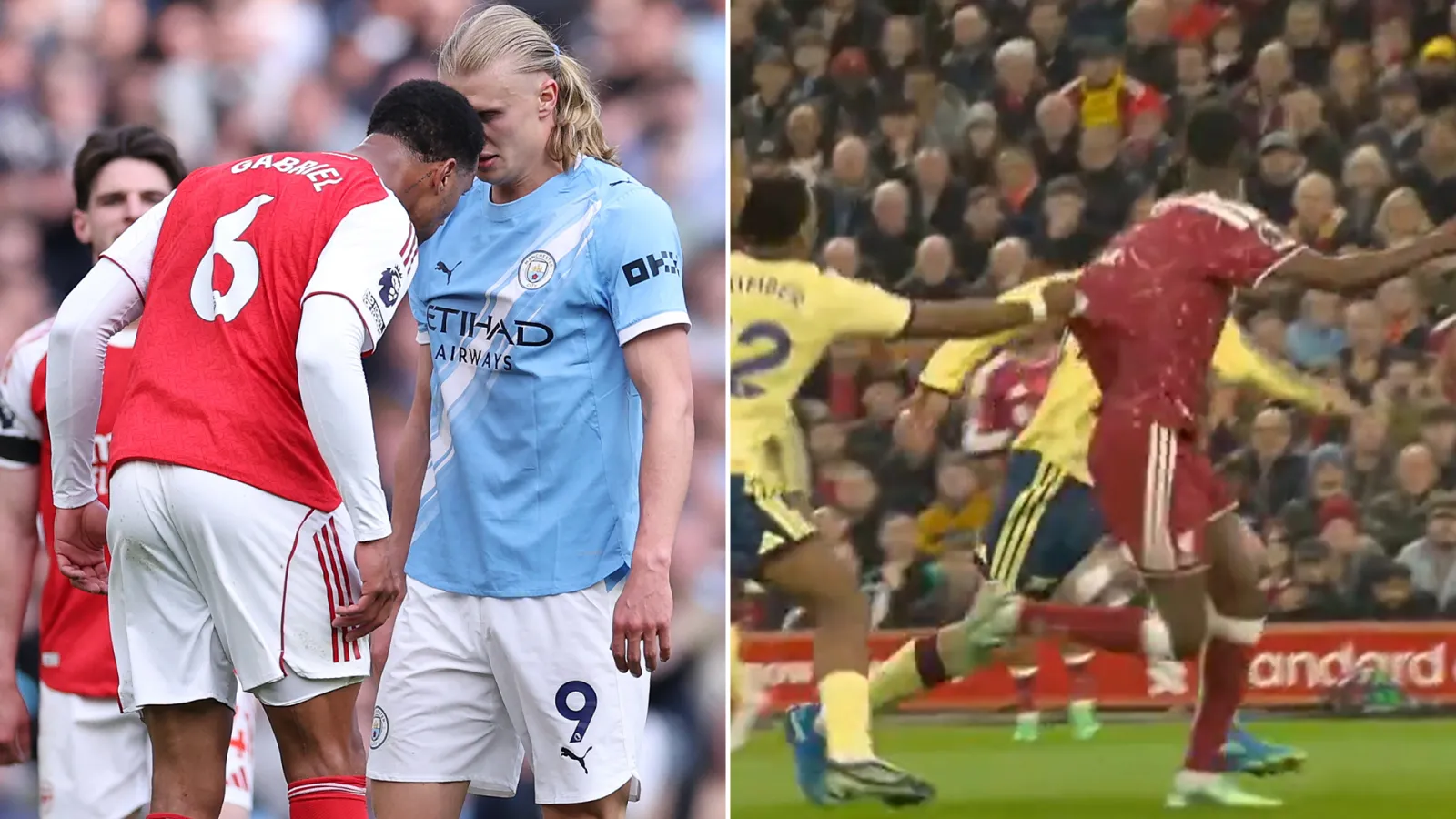
On Sunday at Anfield, there were two shameful attempts to con referee Andy Madley into sending off an opponent. The first was Arsenal player Gabriel, collapsing with a hand over his face after minimal and accidental contact by Cody Gakpo, accompanied by a theatrical scream. At a local cinema screen, there would have been a gallon of fake blood to make it look even more authentic. It is not as if the big Brazilian has not fallen dramatically a few times before. Towards the end as sheer desperation took over the home team, Alexis Mac Allister hit the deck quicker than a parachutist after going head-to-head with Noni Madueke. Maybe no surprise, as the Argentine also has form for it.
The Intent of Deception and Lack of Retrospective Punishment
The intent of both players was deception, pure and simple. They knew exactly what they were doing, executing a calculated attempt to persuade referee Madley or video assistant referee Stuart Attwell to leave their opponents a man short. Thankfully, neither player was successful in their dodgy endeavours. You did not need pundits Gary Neville and Jamie Carragher to brand each of them embarrassing. But when there is no comeback for trying it on, it will keep on happening. After all, why not give it a crack when it might work?
Already this season, observers have witnessed Luke Shaw ensuring Rodrigo Bentancur was dismissed for Spurs at Old Trafford, alongside Liverpool player Jeremy Jacquet making the most of minor forehead contact from Brentford midfielder Yehor Yarmolyuk. Indeed, there is an irony that the player who decided not to go down when he could have last season may have actually cost his side the title. Players other than Manchester City striker Erling Haaland would have hit the deck rather than stay on their feet when Gabriel put his head in at the Etihad in April. Had the 6ft 5in Norwegian striker been less resilient, Arsenal would have been without the Brazilian for the next three games during a crucial run.
How Erling Haaland and Honest Play Impacted the Title Race
That is not a criticism of Erling Haaland, but it turned out that doing the right thing became, for the impact on the battle for the crown, the wrong thing. That should never be the case in professional sports. Of course, there is a huge difference between being penalised for staying on your feet and getting away with giving gravity a helping hand. Video assistant referee technology can intervene for a red card offence, and referees do have the power to book players who dive to try to win a penalty or free kick. But as it stands, there is no disciplinary comeback for those who over-egg minimal or even no contact in a bid to persuade a referee to reduce opposition numbers.
The Football Association cannot overturn protocols that prevent Stockley Park from urging a referee to book a player who has tried to deceive them. Football authorities do, though, have the power to act retrospectively in English Football League and domestic cup games, as they did when West Brom player Aune Heggebo was handed a two-game ban for scoring a goal with his hand in the 2-1 win at Norwich earlier this season. You cannot give a red card for simulation under current laws, as it is strictly a yellow card offence. But it is time for the governing body to intervene and hand out retrospective cards for attempted simulation.
What Needs to Change in Football Regulations
If introducing retrospective punishment meant a second yellow card for the player, it should become a red card and a one-match ban. Of course, plenty of players might still think it is worth having a go, believing the potential reward outweighs the risk. But maybe not if they are a booking away from suspension, or have already been cautioned. It has got to be better than doing nothing while simulation continues to blight matches.
The history of diving in English football dates back decades, evolving alongside the increasing financial stakes of the Premier League and European qualification. When matches carry millions of pounds in broadcasting revenue and prize money, the incentive to win marginal refereeing decisions grows exponentially. Referees operate under intense pressure in packed stadiums, making split-second decisions that rely heavily on visual cues. When players exploit this human limitation through deliberate playacting, it undermines the integrity of the officiating process and frustrates supporters who pay to watch fair competition.
The Broader Impact on Match Officials and Fair Play
Match officials face heavy scrutiny every weekend, and diving makes an already difficult job nearly impossible. When players roll around clutching faces after negligible contact, referees must decide in seconds whether to brandish a red card that ruins the tactical balance of a fixture. Implementing stricter video review or post-match disciplinary panels would relieve some of this burden from on-field officials. Clubs and managers also bear responsibility, though few managers publicly condemn their own players for winning a cheap foul or a dismissal.
Looking ahead, the football rulemakers, including the International Football Association Board, continually review laws of the game to address sportsmanship and time-wasting. While changing the laws regarding simulation requires broad consensus, domestic associations can take the lead through stricter disciplinary codes. Fans should watch for upcoming discussions among football administrators regarding post-match bans for clear acts of simulation. Until then, players will likely continue testing the boundaries of what referees and video technology will tolerate on the pitch.