Petrol Price in Pakistan Today and Latest OGRA Notification
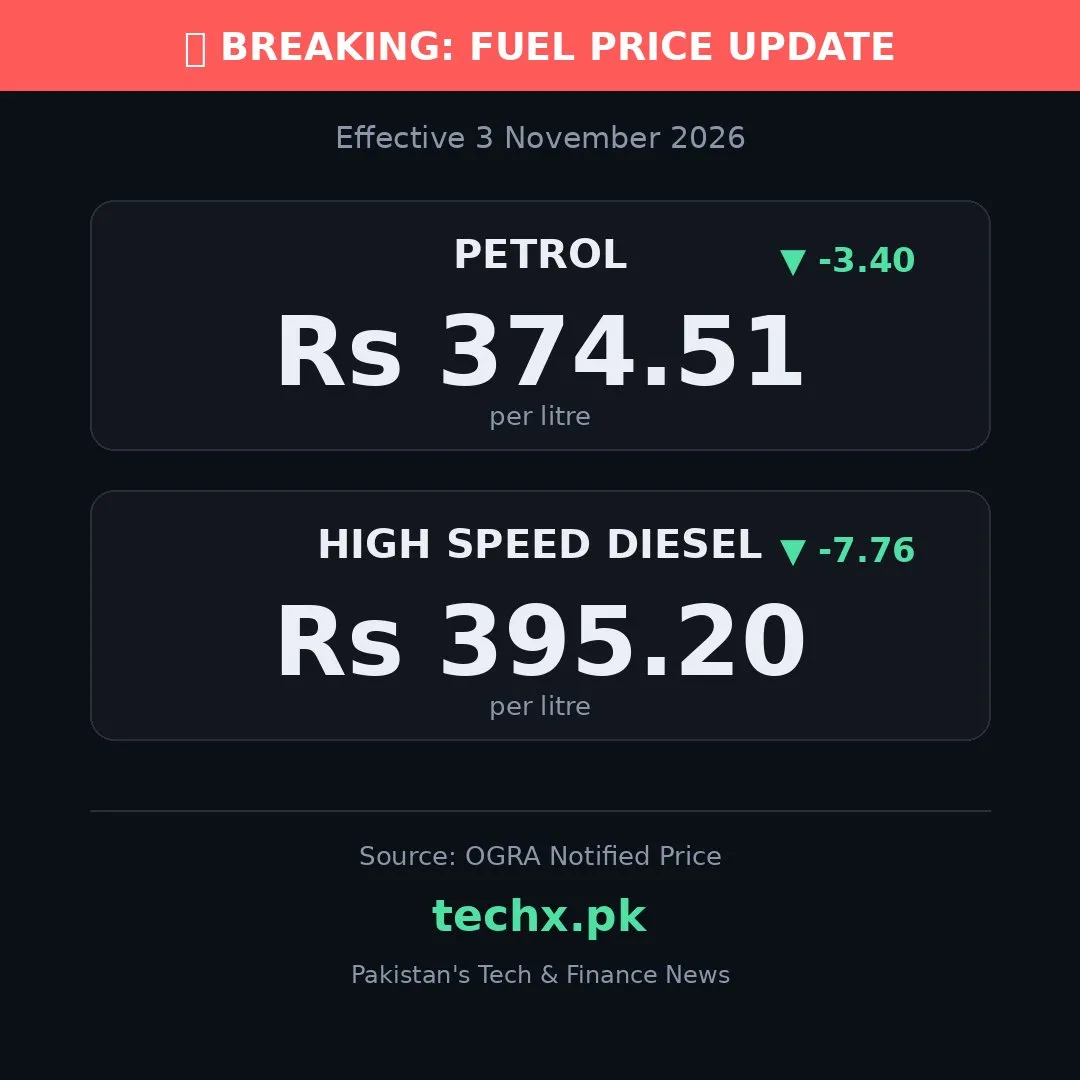
The petrol price in Pakistan today, effective 03 November 2026, has been cut by Rs 3.40 per litre, bringing some relief to consumers. Diesel prices have also dropped sharply, falling by Rs 7.76 per litre under the latest OGRA fuel prices notification. This reduction arrives during a fortnightly review cycle that impacts millions of motorists, transport operators, and business owners nationwide.
Citizens across the country have watched pump rates fluctuate significantly over recent years due to shifting global markets and domestic economic policies. Energy costs dictate the rhythm of everyday commerce, influencing everything from the price of vegetables at neighborhood markets to the cost of riding a bus to work. Understanding how these figures are calculated helps households manage their monthly budgets more effectively.
New Petrol and Diesel Prices in Pakistan
OGRA has officially announced the new petrol price and diesel price in Pakistan for the next fortnight. Here is a full breakdown of the revised rates:
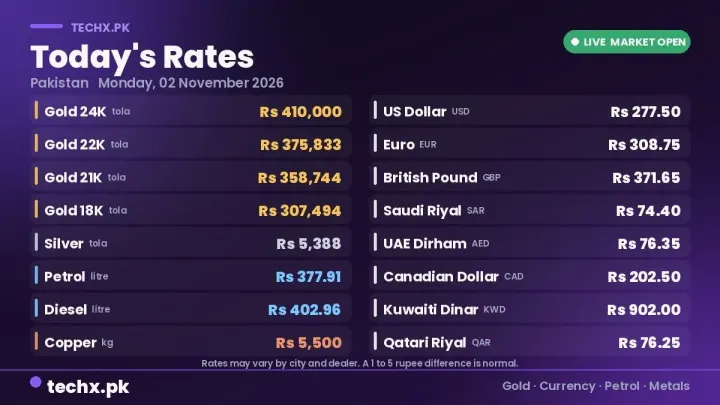
- Petrol (Super): Rs 374.51 per litre, reflecting a decrease of -Rs 3.40.
- High Speed Diesel (HSD): Rs 395.20 per litre, reflecting a decrease of -Rs 7.76.
These prices are effective from 03 November 2026 across Pakistan. Filling stations are legally bound to display these rates prominently and charge customers according to the official government notification. Motorists should verify the meter reading at the pump before fueling their vehicles to ensure accurate billing.
Why Did Fuel Prices Change?
OGRA carries out fortnightly fuel price revisions based on international crude oil market trends and the Pakistani rupee exchange rate against the US dollar. When global oil prices soften or the rupee gains ground, OGRA typically passes on the benefit to consumers through lower pump rates. The current reduction in both the petrol price in Pakistan and the diesel price in Pakistan reflects a more favourable global oil price environment during this review period.
Crude oil benchmarks fluctuate constantly based on geopolitical events, supply chain shifts, and international demand from major industrial economies. When these international indices drop, local petroleum pricing formulas adjust accordingly after factoring in shipping expenses, refinery processing costs, and government levies. The domestic currency valuation also plays a major role, as petroleum products must be purchased in foreign exchange before being imported and refined for local distribution.
What It Means for You
Lower fuel prices directly ease the cost of daily commuting, public transport fares, and the movement of goods across the country. The bigger cut in High Speed Diesel, a key fuel for trucks, buses, and agriculture machinery, should help bring down freight costs and may gradually reduce prices of everyday goods in local markets. Motorcycle and car users will also notice a small saving at the pump with the new petrol price of Rs 374.51 per litre starting 03 November 2026.
For families running personal vehicles or relying on motorcycle transport for daily office commutes, the minor drop translates into modest weekly savings. Small business owners who rely on delivery vans or backup diesel generators also benefit from reduced overhead expenses during periods of energy price corrections. Agricultural communities using diesel-powered tube wells and tractors stand to gain substantial relief during active harvesting or planting seasons.
Understanding the Role of Regulatory Authorities
The Oil and Gas Regulatory Authority operates as the primary watchdog overseeing the petroleum sector in the country. It reviews supply costs every two weeks in coordination with the Ministry of Finance and oil marketing companies. This transparent mechanism ensures that retail rates track international benchmarks rather than arbitrary pricing decisions by private entities.
Consumers often wonder how taxation fits into the final cost displayed at fuel stations. Petroleum levies, general sales tax, and custom duties form a substantial portion of the pump price. When global rates drop, the government sometimes adjusts these internal levies to balance revenue targets with public welfare, making fortnightly announcements a closely watched event for economists and ordinary citizens alike.
Historical Context of Petroleum Pricing in Pakistan
Over the past decade, energy pricing mechanisms have undergone several structural reforms to align domestic markets with international realities. Past administrations relied heavily on subsidies to shield the public from sudden global spikes, which frequently created severe fiscal deficits and balance of payment crises. Current policy frameworks emphasize pass-through pricing, meaning consumers bear the full weight of international increases but also receive immediate relief when global benchmarks decline.
This market-driven approach requires citizens to stay informed about bi-weekly announcements. Households budget for transportation well in advance, knowing that price adjustments can alter commuting expenses overnight. Public transport associations frequently petition authorities when fuel costs climb, while citizens expect corresponding fare reductions whenever rates decrease.
Practical Takeaways for Drivers and Businesses
Motorists should plan their refueling schedules around these fortnightly announcements to maximize savings. Filling up tanks immediately after a price cut takes effect ensures households benefit from the lower tariff for the maximum possible duration. Fleet operators and logistics firms maintain dedicated accounting teams to track these announcements, adjusting freight charges and delivery timelines in response to diesel fluctuations.
Public transport users should monitor local fare boards to ensure that bus and rickshaw operators pass on the savings. While minor petrol cuts may not prompt immediate fare adjustments, major diesel reductions often trigger formal reviews by transport authorities to protect commuters from overcharging.