Capital Development Authority Establishes Special Fund for Smog Mitigation
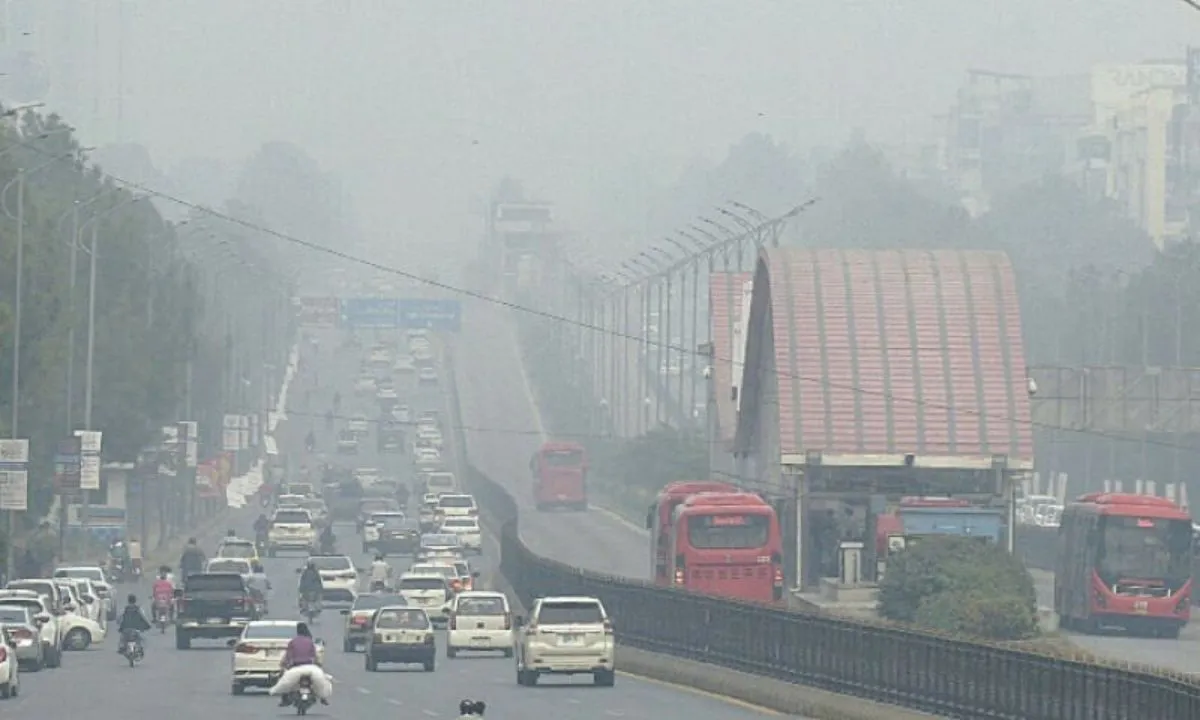
The Capital Development Authority has decided to create a special fund dedicated to smog mitigation, environmental improvement, and research and development projects within Islamabad. This strategic decision was finalized during a high-level session chaired by CDA Chairman Sohail Ashraf, who emphasized the urgency of addressing deteriorating air quality standards in the region. Urban centers across South Asia increasingly face severe seasonal haze, prompting municipal bodies to seek localized financial mechanisms and specialized institutional partnerships to protect public health.
Several key stakeholders participated in the convening, including Member Environment Abdullah Khurram Niazi, Additional Deputy Commissioner Islamabad Dr Anam Fatima, and various other municipal officers. Academia and technical research sectors were represented by senior faculty member Prof. Dr Muhammad Fahim Khokhar alongside a dedicated research expert from the National University of Sciences and Technology. Their inclusion highlights a shift toward evidence-based policymaking and engineering-driven solutions for urban environmental crises.
Understanding the Partnership Between CDA and NUST
According to an official press release issued by the municipal administration, the assembly finalized an agreement to sign a Memorandum of Understanding between the agency and the National University of Sciences and Technology. This cooperative framework focuses on controlling pollution, promoting dedicated research for environmental protection, and adopting a synchronized strategy against seasonal smog in the federal capital. University partnerships allow municipal bodies to tap into advanced laboratory testing, atmospheric modeling, and engineering expertise that standard municipal departments typically lack.
To ensure accountability and continuous progress under this agreement, authorities approved the creation of a joint committee. This special body comprises representatives drawn from both the university and the municipal environment wing. Operating under a strict timeline, the newly formed committee is mandated to submit progress reports every fortnight detailing the practical measures implemented to reduce smog and environmental pollution on the ground.
Infrastructure Adjustments and Road Design Changes
Addressing root causes of airborne dust requires structural changes to city infrastructure. The meeting approved specific modifications to road infrastructure to address urban dust generation. Under the new guidelines, the engineering design of newly constructed roads and kerbstones will be revised to improve water flow and maintain strict control over road dust.
Furthermore, kerbstones will be installed in a specific manner designed to prevent soil and debris from washing or accumulating onto active roadways. Urban dust generated by vehicular movement over unpaved shoulders and degraded road edges constitutes a major contributor to particulate matter accumulation. By modifying these engineering parameters, the administration seeks to eliminate a persistent source of airborne particulate pollution during dry weather periods.
Immediate Measures Implemented by Islamabad Authorities
While long-term infrastructure projects take time to develop, municipal leaders outlined several immediate interventions to curb hazardous emissions and particulate matter. Immediate steps discussed at the session focus on identifying illegal waste burning sites and initiating strict legal action against violators. Waste burning releases toxic compounds directly into the lower atmosphere, compounding regional haze problems.
Additional immediate measures incorporate technological communication and active dust suppression protocols. Key actions include:
- Issuing public smog alerts directly through mobile applications to warn residents of hazardous days.
- Deploying regular water sprinkling trucks and enforcing precautionary steps to suppress dust during active construction work.
- Installing monitoring cameras to oversee industrial units operating in sectors I-9, I-10, and surrounding zones.
Long-Term Environmental Strategies and Cleaner Fuel Standards
Sustainable air quality management requires systemic transformations across multiple economic sectors, including transportation, waste management, and manufacturing. Longer-term measures endorsed by the administration include enforcing Euro-5 fuel standards for vehicles to reduce vehicular exhaust emissions. Transitioning to cleaner fuel standards helps lower sulfur and nitrogen oxide outputs from internal combustion engines.
Additional structural interventions involve overhauling municipal waste management systems through modern solid waste practices and constructing modern landfills to replace open dumping. Brick kilns operating within the jurisdiction will be mandated to transition toward zigzag technology, which significantly lowers coal consumption and particulate output. The administration is also working to expand the existing environmental monitoring network to track pollutant concentrations continuously across different neighborhoods.
Official Stance on National Challenges and Electric Vehicles
Addressing the gathering, the CDA chairman described smog and environmental pollution as a national challenge requiring a coordinated response. He stated that an effective, multi-layered strategy is currently being formulated to address these systemic vulnerabilities. Municipal leadership recognizes that piecemeal efforts are insufficient against a crisis influenced by regional weather patterns and urban density.
Emphasizing the transition toward sustainable transit options, the chairman added that all possible measures will be taken to promote electric vehicles in Islamabad to control air pollution. Transportation electrification reduces reliance on fossil fuels, directly cutting down carbon monoxide and unburnt hydrocarbon emissions in congested urban corridors.