Karachi Metropolitan Corporation Approves Burns Road Food Street Upgrade
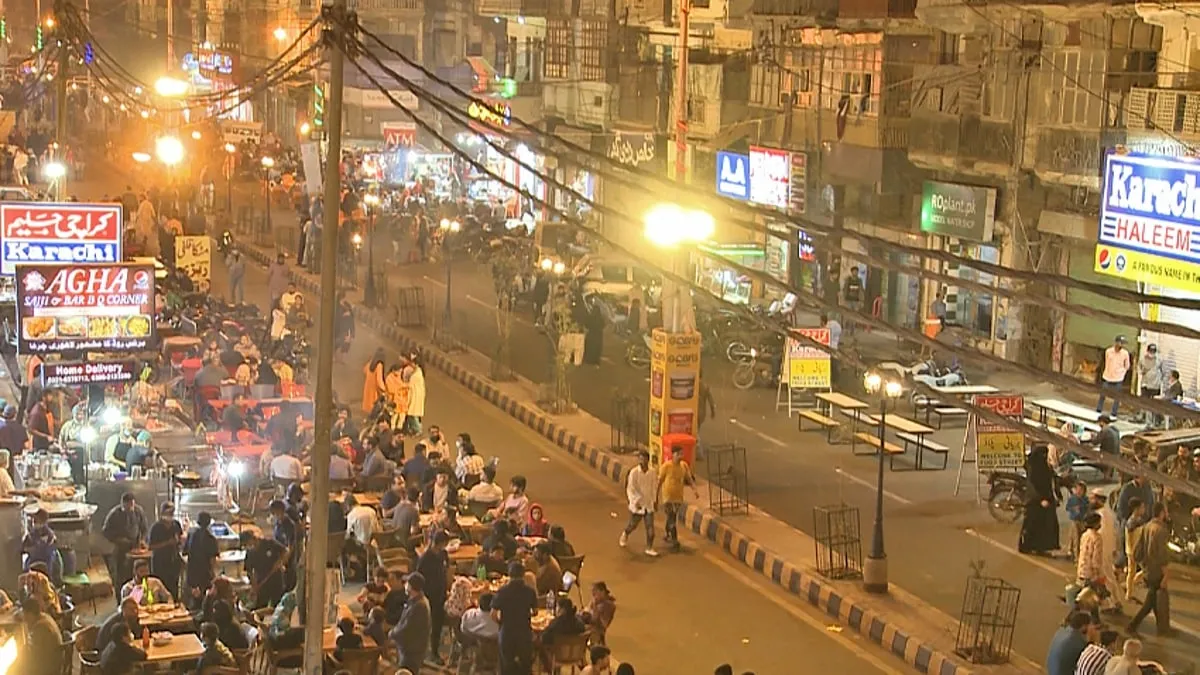
The Karachi Metropolitan Corporation (KMC) City Council has officially approved a proposal worth an estimated Rs. 249.823 million to renovate Burns Road Food Street and convert it into a pedestrian-only area. This major urban development initiative aims to transform one of the most prominent culinary destinations in Pakistan into a modern, walkable zone while retaining its historical identity.
The formal approval took place during a municipal council session that brought together key local government figures. Deputy Mayor Salman Abdullah Murad chaired the meeting, which was also attended by Karachi Mayor Murtaza Wahab and Metropolitan Commissioner Abrar Jafar. The proposal for the Burns Road renovation was among 34 distinct resolutions cleared by the council during the session.
Details of the Rs. 250 Million Development Plan
The financial outlay of Rs. 249.823 million is allocated for specific infrastructural overhauls designed to modernize the streetscape. The development plan includes upgrading footpaths, improving adjoining streets, and beautifying the historic food street while preserving its traditional character. City planners intend to create a safer and more visually appealing environment for the thousands of daily visitors who frequent the culinary hub.
Earlier this month, Mayor Murtaza Wahab directed municipal officials to make the revamped food street operational before Ramadan. This tight timeline places immense pressure on the engineering and contracting teams to execute the civil works rapidly without compromising the quality of the infrastructure improvements.
Legal Context and High Court Directives
The decision to convert the thoroughfare into a pedestrian zone arrives amidst a complex legal backdrop. The latest approval comes despite a February 2023 Sindh High Court directive ordering the local administration to end the evening food street operating on a portion of Burns Road and restore vehicular traffic. The court had previously intervened following petitions concerning traffic congestion and public inconveniences caused by the street closure during evening hours.
Municipal authorities are now tasked with balancing the judicial directives of the past with their current urban renewal vision. Urban administration officials maintain that the comprehensive redesign, which includes designated parking facilities and traffic management plans, will address the core concerns previously raised in court regarding public access and thoroughfare blockages.
Opposition Concerns and Responses from City Leadership
During the municipal council session, opposition members raised sharp concerns over restrictions on vehicular movement and potential difficulties for residents and businesses in the surrounding area. Critics argued that blocking vehicular access could disrupt daily logistics for homeowners living above the commercial storefronts and complicate supply deliveries for restaurant owners.
Defending the initiative against these criticisms, Mayor Murtaza Wahab described Burns Road as a historical heritage site. He emphasized that the administration would restore the area, improve adjoining streets, and provide better facilities to citizens. To address transparency concerns, the mayor also assured council members of accountability in development projects, stating that third-party consultant verification had been made mandatory for all major projects.
Traffic Management and Parking Solutions
An earlier public notice outlining the proposed pedestrianization included concrete plans to mitigate the loss of road space for motorists. The strategy involves diverting vehicular traffic to adjoining roads and providing nearby parking facilities to accommodate visitors arriving in private cars and motorcycles.
Local businesses and residents will rely heavily on these traffic mitigation measures to ensure that commercial activity continues smoothly during the construction phase and after the pedestrian zone is fully enforced. Transport planners are expected to monitor traffic flow on surrounding avenues closely once the physical barriers and newly paved walkways are established.