PIA Considers Extending Saudia Aircraft Charter Deal
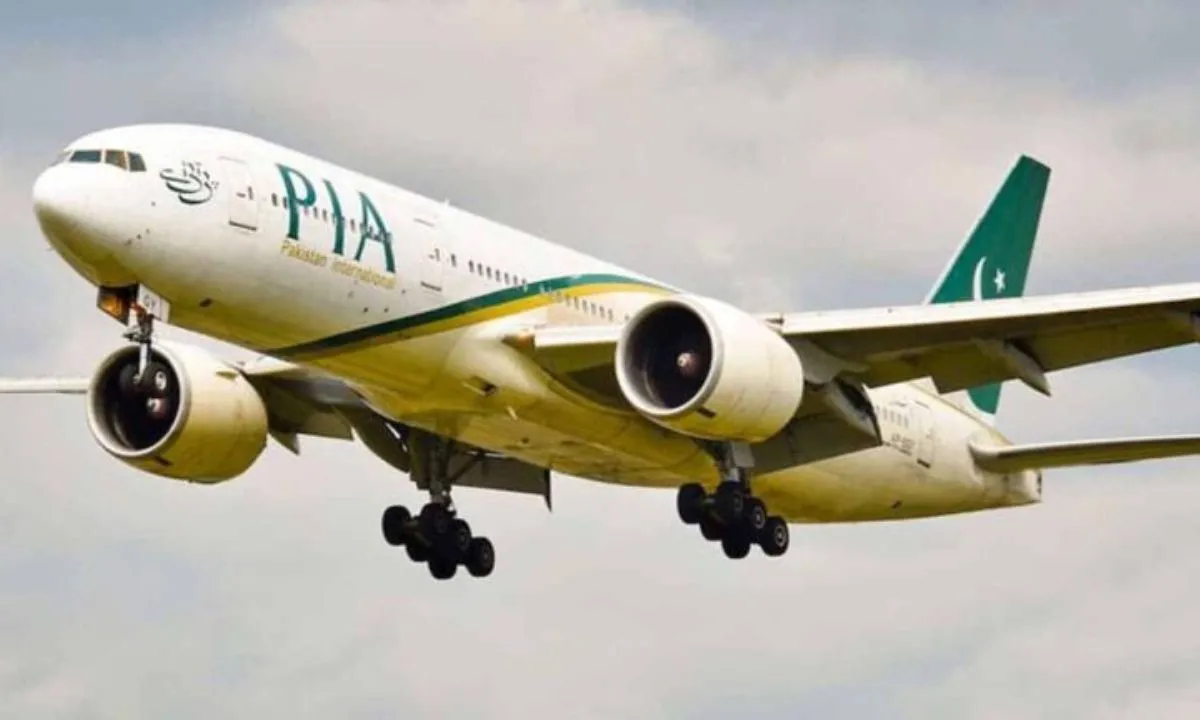
Pakistan International Airlines may extend its agreement with Saudi Arabian carrier Saudia to charter three aircraft for its Saudi routes, as the airline works to keep its international operations running amid a fleet shortage, PIA spokesperson Abdullah Hafeez Khan told media.
The temporary arrangement has successfully freed up Pakistan International Airlines Boeing 777 aircraft for high-demand flights to Britain and continental Europe. However, operational stability was recently tested when its wet-lease partner, Norway-based Norse Atlantic Airways, abruptly suspended operations, forcing the cancellation of two Pakistan-bound flights originating from London and Manchester.
Details of the Saudia Charter Agreement and Route Distribution
The emergency deployment involves three Airbus A330 planes dedicated to serving passengers traveling to Saudi Arabia. Spokesperson Abdullah Hafeez Khan explained the mechanics of the current arrangement during media briefings.
“Yes, we have chartered three aircraft from Saudia for 15 days,” Khan said. “It is part of our strategy and this may be extended depending on our assessment of the situation after a week.”
The Saudia aircraft are specifically operating flights to Jeddah and Madinah, while Pakistan International Airlines continues to use its own planes for regular services to Riyadh and Dammam. The charter operations officially began on Wednesday night. Aviation industry officials have confirmed that standard Saudia flight operations within Pakistan are continuing as usual alongside this temporary charter partnership.
Impact on Passengers and Ticket Validity
A primary concern during any airline operational disruption is passenger inconvenience, particularly regarding ticket honorability and schedule changes. PIA management has moved quickly to assure travelers that current bookings remain entirely secure.
The charter arrangement is structured so that it will not negatively affect passengers who have already booked tickets with the national carrier. Spokesperson Khan addressed this directly during his statements to reporters.
“Those who bought PIA tickets for Saudi cities, they will be given seats on these chartered planes of Saudi airline, but nothing will change for the passengers. The tickets that have been booked, they will be valid,” he said.
Travelers holding verified tickets for affected or corresponding Saudi routes will board the chartered aircraft seamlessly under their existing reservations without needing to pay any extra fees or secure new documentation.
Regulatory Approval from the Pakistan Civil Aviation Authority
Commercial aviation operations across international borders require strict regulatory clearance from national authorities to ensure safety, compliance, and passenger rights. In this case, the Pakistan Civil Aviation Authority granted the national carrier temporary permission to operate Saudia aircraft on these specific charter flights.
According to an official regulatory letter reviewed by Arab News, the government approval remains valid for just over two weeks starting from Nov. 23. This authorization is granted subject to strict operational conditions and continuous safety monitoring by aviation inspectors.
The swift approval process reflects the urgency of maintaining uninterrupted religious and commercial travel corridors between Pakistan and Saudi Arabia, particularly given the high volume of travelers relying on these connections for Umrah and diaspora travel.
Norse Atlantic Airways Suspension and British Flight Recovery
The immediate need for the Saudi charter arose partly due to vulnerabilities in external wet-lease partnerships used to supplement the national carrier active fleet. Norway-based Norse Atlantic Airways abruptly suspended operations, creating an immediate scheduling deficit.
Norse Atlantic indicated that it plans to file for bankruptcy unless it urgently secures short-term financing to address severe liquidity needs. This sudden stoppage forced the cancellation of two flights scheduled to fly to Pakistan from London and Manchester.
To mitigate the crisis, airline management deployed contingency plans. “This was a contingency that in case the Norse planes are not available, we should have other aircraft without disruption,” Khan said. “We took these Airbus A330 planes for the KSA.”
Through these emergency measures, Pakistan International Airlines successfully restored its British flight operations on Thursday using its own Boeing 777 aircraft, returning the flight schedule to normalcy just a day after the initial cancellations caused concern among stranded travelers.
Current Fleet Inventory and Operational Capacity
The necessity for external aircraft charters highlights the current limitations of the airline active inventory. Official operational data indicates that Pakistan International Airlines currently possesses a total of 31 aircraft in its fleet.
The active inventory breakdown consists of the following aircraft:
- 12 Boeing 777 widebody aircraft used primarily for long-haul international routes.
- 16 Airbus A320 narrowbody aircraft deployed on domestic, regional, and Gulf routes.
- 3 ATR turboprop aircraft serving short-haul domestic destinations.
With only 31 planes available, maintaining rigorous international schedules to Europe, Britain, and the Middle East requires careful rotation and contingency partnerships.
Long-Term Fleet Modernization and Acquisition Plans
Beyond these immediate operational workarounds and short-term lease extensions, executive leadership is formulating a comprehensive strategy to resolve the underlying equipment shortage permanently. Spokesperson Khan outlined a major modernization initiative involving a massive expansion of the carrier fleet.
The enterprise is working on a long-term plan to acquire up to 50 new planes. The proposed purchasing strategy splits this acquisition between widebody and narrowbody models to balance network requirements.
The purchasing blueprint includes up to 20 widebody aircraft for long-range international expansion and up to 30 narrowbody aircraft for regional and domestic routes. A portion of these new deliveries will directly replace older, aging planes currently consuming high maintenance budgets, while the remaining units will add net capacity.
A formal announcement detailing the acquisition strategy is expected during the first quarter of 2027. Corporate planners are currently evaluating multiple acquisition pathways, including direct purchases, commercial leasing agreements, and alternative financing structures. Final decisions regarding specific aircraft manufacturers, exact models, and financial terms have not yet been finalized.
Expansion Goals and Passenger Experience Upgrades
The impending fleet expansion supports broader commercial objectives for the airline. Management plans to expand international operations aggressively, with a particular focus on lucrative routes to Britain, continental Europe, and Canada.
At the same time, the strategy involves increasing flight frequencies and passenger capacity across domestic networks, Gulf corridors, and regional Asian destinations. Alongside aircraft acquisitions, the modernization framework encompasses comprehensive product upgrades.
Passengers can look forward to entirely upgraded seating configurations, modern cabin facilities, and advanced in-flight entertainment systems. Furthermore, the investment plan directs substantial capital toward engineering facilities, heavy maintenance infrastructure, spare parts inventories, and specialized flight crew training programs to ensure long-term safety and reliability.
Privatization Background and Economic Reform Context
These ambitious modernization efforts follow a pivotal corporate milestone for the national carrier. In a major structural shift, a privatization auction was conducted in December 2025.
During the auction, a business consortium led by the Pakistan Arif Habib Group successfully acquired a 75 percent ownership stake in the airline with a winning financial bid of Rs135 billion, which equates to approximately $482 million.
Historically, the carrier ranked among the leading aviation enterprises in Asia. However, decades of mismanagement, intense political interference, and mounting financial liabilities resulted in the accumulation of billions of dollars in operational losses.
The successful privatization auction served as a cornerstone of the broader national economic reform program administered by the government of Pakistan, which receives crucial financial and structural backing from the International Monetary Fund to stabilize public finances and encourage private sector efficiency.