Lahore-Rawalpindi High-Speed Rail Project Cost and Planning
The proposed Lahore-Rawalpindi high-speed rail project is estimated to cost nearly Rs. 625 billion, according to project documents. Preliminary feasibility studies and planning for this massive infrastructure undertaking are now complete. Planners have finalized the core financial outlines for the corridor, setting the stage for future development phases.
Transport officials have worked extensively to determine the budgetary requirements for the route. The estimated figure of Rs. 625 billion covers the wide scope of civil works, technological upgrades, and rolling stock integration necessary for modern passenger rail operations. This financial blueprint forms the basis of the economic and financial feasibility assessment.
The financial evaluation carefully weighs projected passenger numbers against expected revenue streams. Planners also factored in the ongoing costs of train operations and maintenance to ensure long-term fiscal viability. Detailed economic forecasts help authorities understand the potential return on investment for the public sector.
Route Alignment and Track Upgrades
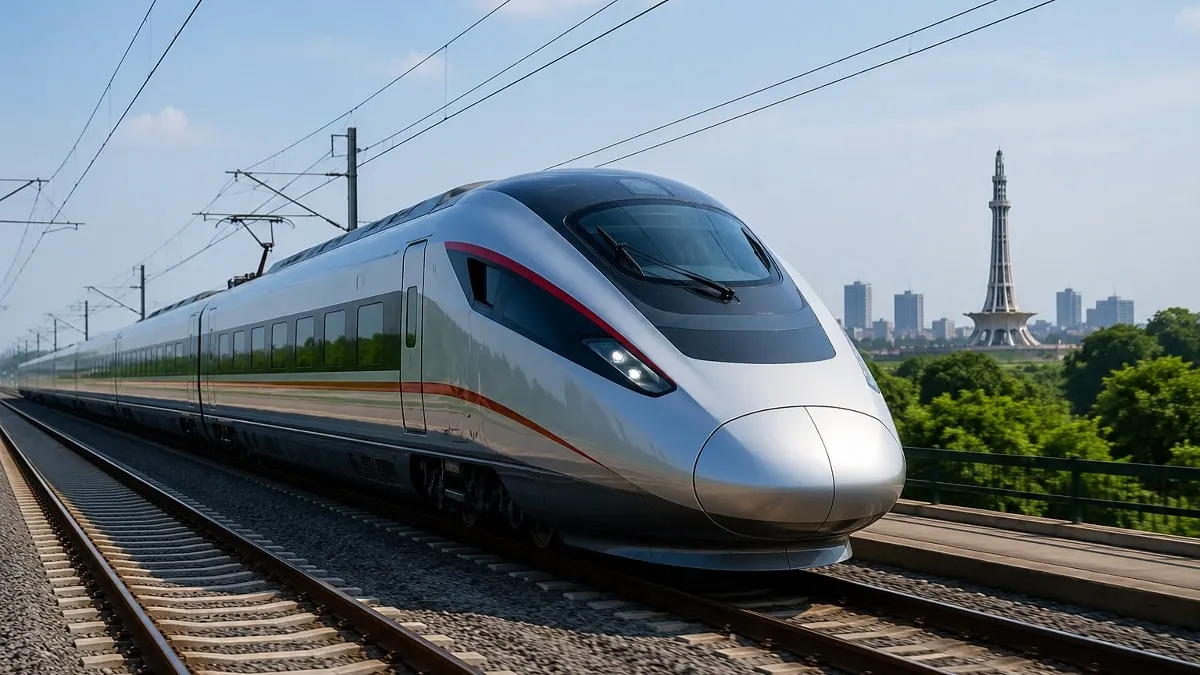
Approximately 290 kilometers of railway track between Lahore and Rawalpindi will be upgraded to support train speeds of up to 160 km/h. To accommodate higher speeds and increased traffic, a new railway line will be constructed parallel to the existing track. This dual-track approach aims to separate high-speed services from conventional freight and passenger trains.
The proposed railway corridor will connect several major urban centers. Cities and towns along the route include Lahore, Gujranwala, Gujrat, Jhelum, Chakwal, and Rawalpindi. By linking these economic hubs, the upgraded corridor aims to reduce travel times significantly for commuters and long-distance travelers alike.
Engineering plans also account for challenging terrain along the path. Structural overpasses will be constructed along an approximately 50-kilometer section between Dina and Sohawa. These overpasses are designed to eliminate level crossings and improve safety in densely populated or topographically complex zones.
Modernization of Railway Stations and Terminals
The project proposes the comprehensive redevelopment of 38 railway stations along the route. Station upgrades will involve the physical expansion of platforms to handle larger crowds and longer train compositions safely. These facilities will transform from traditional stopping points into modern multimodal transport hubs.
To improve passenger experience, the redesigned stations will feature automated ticketing systems. Commuters will also benefit from new park-and-ride facilities integrated directly into the station complexes. These amenities aim to ease transfers between private vehicles, public buses, and high-speed trains.
Modernization efforts extend to passenger comfort and accessibility standards. Each of the 38 stations will receive architectural and technological enhancements. These changes align with contemporary urban transit standards, encouraging higher public transport ridership across the region.
Advanced Signaling and Safety Infrastructure
Safety and operational efficiency form the backbone of the new railway corridor. The route will feature an advanced European Train Control System to manage train movements dynamically. This technology helps prevent collisions and allows trains to operate safely at higher speeds.
In addition to the European Train Control System, the corridor will use centralized traffic control. This system gives dispatchers real-time oversight of the entire 290-kilometer network. Fiber-optic communication infrastructure will be installed along the route to support high-speed data transmission between trains and control centers.
Security and monitoring systems round out the technological package. Modern safety equipment will continuously track track conditions, signaling status, and train locations. These integrated measures protect passengers and maintain strict adherence to timetables.
Economic Impact and Next Steps
The Lahore-Rawalpindi high-speed rail corridor represents a major investment in national transportation infrastructure. By connecting key industrial and residential centers, the project supports regional economic activity. Faster transit times allow business travelers and workers to move efficiently between cities.
Local businesses in Gujranwala, Gujrat, Jhelum, Chakwal, and the terminal cities stand to benefit from improved supply chains and customer access. The construction phase itself will generate employment opportunities for engineers, technicians, and laborers. Long-term operations will require skilled personnel for signaling, station management, and maintenance.
Observers are watching for formal funding approvals and construction schedules following the completion of the preliminary feasibility study. Authorities have not yet announced exact dates for groundbreaking ceremonies or procurement tenders. Citizens and local enterprises await further announcements regarding implementation timelines.