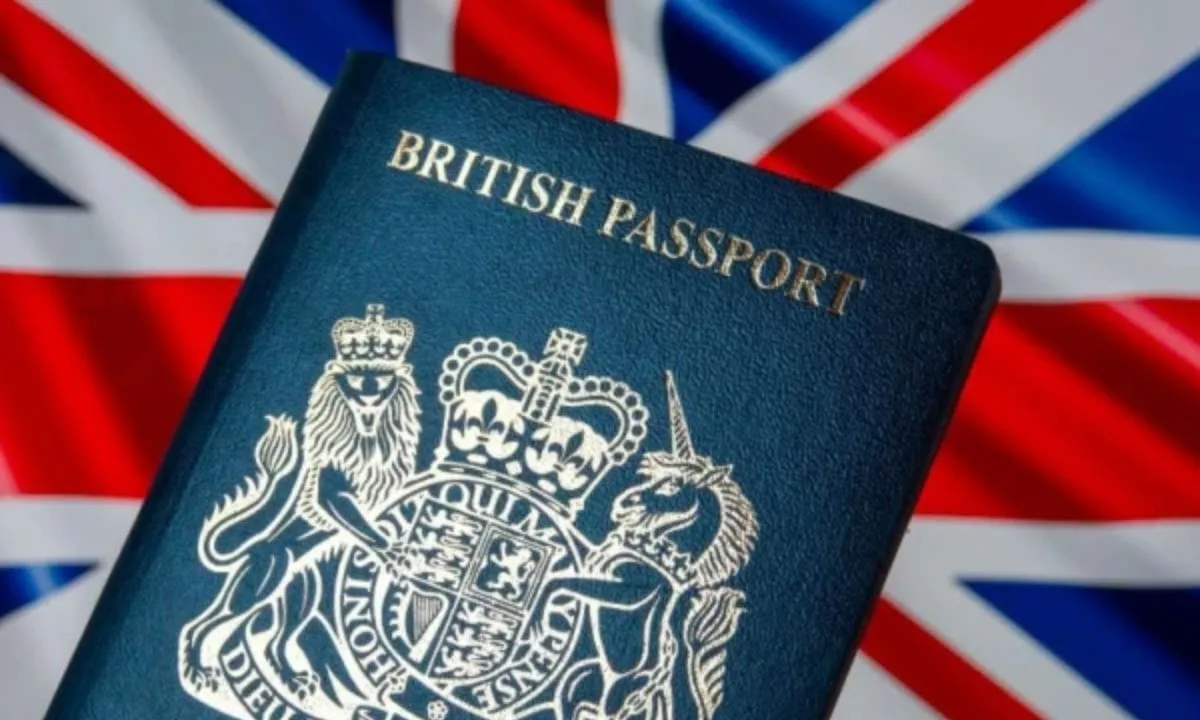
UK Citizenship Applications Reach Record Levels
Pakistani nationals, along with Indians, were the largest group to obtain British citizenship over the past year, while applications for citizenship rose to a record level, figures from the UK Home Office show. The data released by government authorities highlights shifting trends in migration, naturalization, and asylum processing across the United Kingdom. As immigration policies continue to undergo rigorous evaluation by lawmakers and the public, these numbers offer a comprehensive look at the current demographic and legal landscape of British residency.
In the 12 months to September, the Home Office received 320,000 citizenship applications, 17 percent more than the previous year. The number of people granted citizenship over the same period climbed 10 percent to 265,000. This substantial surge reflects a growing desire among long-term foreign residents to secure permanent legal status, obtain British passports, and fully integrate into society.
Understanding the UK Home Office Citizenship Process
Obtaining British citizenship typically involves a rigorous multi-stage procedure governed by strict legal criteria established by the UK Home Office. Applicants generally must hold indefinite leave to remain or settled status, meet residency requirements, demonstrate good character, and pass the Life in the UK test alongside an English language assessment. The naturalization process ensures that individuals granted citizenship have established strong ties to the country and understand its laws, values, and civic institutions.
The recent increase in applications demonstrates that many foreign nationals who arrived in previous years have now fulfilled the mandatory residency periods required for naturalization. Pakistani and Indian nationals have historically maintained strong community ties within the United Kingdom, driven by historical migration patterns, family reunification, educational pursuits, and employment opportunities. Naturalization grants these individuals full voting rights, consular protection abroad, and the security of permanent belonging.
Decline in Asylum Claims and Illegal Route Arrivals
Over the same period, asylum claims in Britain fell by nearly a third compared with the previous year, to 74,000. The Home Office attributed the decline mainly to fewer claims from people arriving by illegal routes. Asylum systems in developed nations face constant logistical and financial challenges, requiring governments to balance humanitarian obligations with border security measures.
Home Secretary Shabana Mahmood said the changes were not accidental but the outcome of government action. She said net migration had been reduced by 92 percent from its previous peak to 77,000. Government officials credit stricter enforcement policies, enhanced border controls, and international cooperation agreements with deterring unauthorized crossings and reducing the backlog of unresolved asylum applications.
Government Reforms and Immigration Policy Goals
She added that the government aimed to use reforms to build a fair immigration system that rewards those who contribute to the country. Policy adjustments often focus on streamlining legal migration routes for skilled workers, students, and family members while simultaneously cracking down on immigration abuse and unauthorized entry.
The broader strategy involves ensuring that public services remain sustainable while welcoming individuals who support the national economy. Public debate surrounding immigration frequently centers on balancing economic needs, such as labor shortages in key sectors, with the administrative capacity of local communities, healthcare networks, and housing markets.
Asylum Support, Accommodation, and Hotel Closures
Government asylum support is currently being provided to 93,000 asylum seekers, 16 percent fewer than a year ago. Among those receiving accommodation, 1,195 people are housed at former military sites. Providing temporary housing for individuals awaiting the determination of their asylum claims requires extensive logistical coordination between central government departments and local authorities.
The report said 52 asylum hotels have been closed this year, leaving 140 in use across the country. Media reports noted that the Labour government has pledged to close all asylum hotels before the end of the current parliament. Reducing reliance on commercial hotels aims to lower public expenditure and return those facilities to normal civic use for tourism and local businesses.
Broader Impact on Communities and Public Services
The shifting figures across both citizenship grants and asylum claims carry direct practical implications for local municipalities, public infrastructure, and communities across Britain. As the number of newly naturalized citizens rises, local councils often experience increased demand for electoral registration, community integration programs, and local civic services. At the same time, the reduction in asylum seeker populations and the closure of contingency accommodation sites ease financial pressures on municipal budgets that previously supported emergency housing arrangements.
Businesses and employers monitoring these population trends assess how labor market regulations and visa policies influence recruitment pipelines. Sectors reliant on international talent observe the evolving Home Office guidelines closely to anticipate changes in workforce availability. Meanwhile, taxpayers evaluate government performance based on the fiscal management of asylum support systems and the administrative efficiency of processing citizenship applications within established statutory timelines.