Punjab High-Speed Rail Project Details and Cost Estimates
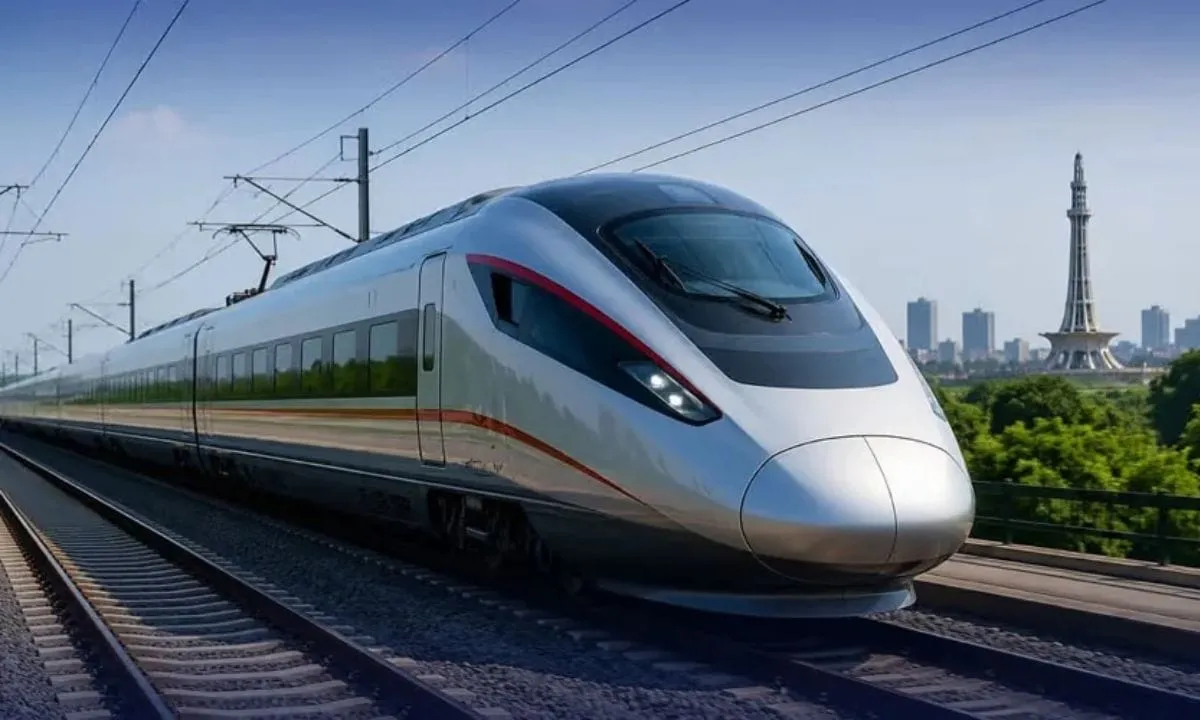
The government completed initial feasibility assessments and planning for a high-speed rail project between Lahore and Rawalpindi, with an estimated cost of more than Rs624.977 billion, according to project documents. This major infrastructure undertaking aims to transform transportation infrastructure across the region by introducing faster, more reliable travel options for millions of residents.
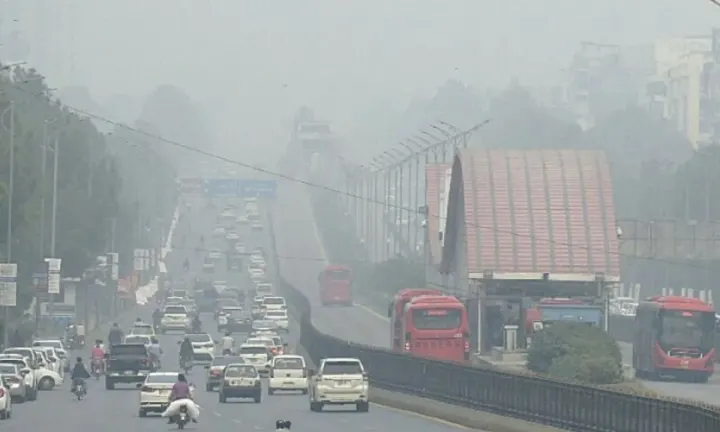
Transport planners designed the initiative to address growing congestion on existing roadways while modernizing the public transit network. The official documents outline comprehensive financial and technical strategies required to bring the corridor up to contemporary international standards.
Which Cities Will the New Rail Corridor Connect?
The corridor will link Lahore, Gujranwala, Gujrat, Jhelum, Chakwal and Rawalpindi, improving rail connectivity between major cities in Punjab. This densely populated region serves as a vital economic and industrial backbone for the country, making efficient inter-city transit an essential priority for regional development.
By tying these urban centers together through a dedicated transit line, the project seeks to facilitate smoother daily commutes, business travel, and freight movement. Residents living along this route currently rely heavily on road networks, which face capacity limits during peak travel periods.
Track Upgrades and Speed Specifications
The project covers the upgrade of approximately 290 kilometres of railway track to support train speeds of up to 160 kilometres per hour. A new railway line is also proposed alongside the existing track to handle increased traffic volumes and reduce transit times significantly.
Engineering teams evaluated existing alignments to determine where dual-tracking and structural enhancements are necessary. These upgrades will allow modern passenger sets to maintain higher average velocities safely across the entire 290-kilometre stretch.
Modernization of Railway Stations and Terminals
The plans include the reconstruction of 38 railway stations along the route. Platforms will be expanded, and the stations will be converted into modern multi-modal transport hubs offering facilities such as automated ticketing systems and park-and-ride services.
Transforming these stations into multi-modal hubs means travelers can easily transition between trains, buses, and personal vehicles. Automated ticketing and expanded platforms will reduce crowding and streamline passenger boarding processes at every stop.
Engineering Works and Structural Overpasses
The documents also provide for structural overpasses along a section of approximately 50 kilometres between Dina and Sohawa. These engineering interventions are necessary to eliminate level crossings and maintain high speeds without risking collisions with road traffic.
Constructing overpasses through this specific section addresses historical bottlenecks and challenging terrain. Such measures ensure that high-speed operations can proceed without interruption from local vehicular or pedestrian crossings.
Advanced Signalling and Safety Technologies
The project proposes the installation of modern European train control technology, a centralised traffic control system and fibre-optic communications. Safety, security and monitoring facilities will also be upgraded to meet strict operational standards.
European train control systems provide continuous automatic protection, helping drivers maintain safe speeds and braking distances. Centralised traffic control and fibre-optic links allow operators to monitor train movements in real time across the entire corridor.
Financial Viability and Feasibility Assessments
The feasibility assessment covers projected passenger numbers, potential revenue, and train operations and maintenance costs. These figures will be used to evaluate the economic and financial viability of the project before final implementation phases begin.
Planners analyze passenger demand models to predict ticket sales and operational income over the lifespan of the infrastructure. Such rigorous economic evaluations help officials determine long-term sustainability and justify the substantial capital investment required.