Pakistan Secures $4.3 Billion in Loan Rollovers From China and Kuwait
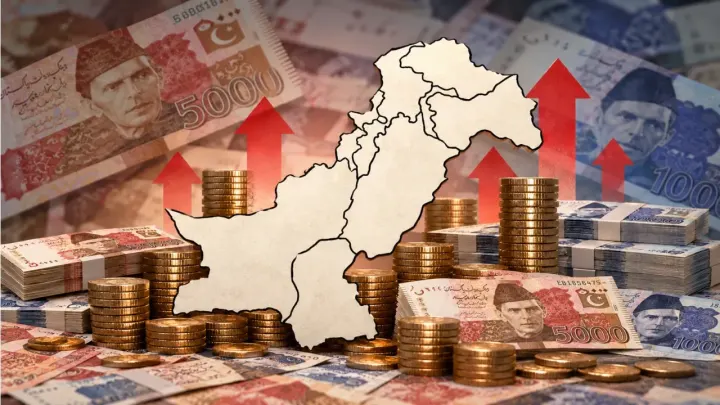
Pakistan has secured vital assurances from China and Kuwait to roll over loans totaling $4.3 billion. This financial arrangement provides substantial support for the country's external financing requirements during the current fiscal year. Sources familiar with the discussions shared these developments, highlighting ongoing financial cooperation between Islamabad and its key international partners.
The financial backing from Beijing and Kuwait City forms a cornerstone of the national economic strategy. Managing external debt remains a central priority for economic administrators as the country works to stabilize its macroeconomic indicators. These international partnerships help bridge financing gaps without draining domestic reserves.
Breakdown of the Chinese and Kuwaiti Financial Assurances
China is expected to roll over $4 billion in loans, representing the largest share of the newly secured assurances. Meanwhile, Kuwait will extend a rollover of $300 million. According to sources within the Ministry of Finance, the $4 billion Chinese loan is scheduled to be rolled over in March 2027. The loans from China and Kuwait, along with financing from Saudi Arabia, are expected to be extended for approximately one year.
These bilateral arrangements require continuous diplomatic and financial coordination. Friendly nations have repeatedly stepped in to support the South Asian economy during periods of tight external liquidity. The latest assurances demonstrate the enduring nature of these bilateral economic ties.
Understanding Pakistan External Debt Repayments of $21 Billion
The rollover arrangements operate as a critical component of Pakistan's broader external financing strategy for the current fiscal year. During this twelve-month period, the country faces substantial external debt repayment obligations of approximately $21 billion. The expected $7.3 billion in total rollovers from Saudi Arabia, China, and Kuwait is already factored into these obligations.
Meeting external debt obligations requires a delicate balance between export earnings, remittance inflows, and foreign assistance. Without these debt rollovers, the national exchequer would face severe pressure, potentially depleting foreign exchange reserves and destabilizing the local currency. Spreading out repayment schedules gives the government fiscal space to implement structural economic reforms.
Role of Saudi Arabia and International Monetary Fund Support
Beyond the $4.3 billion secured from Beijing and Kuwait, Pakistan is scheduled to secure total debt rollovers of $7.3 billion from Saudi Arabia, China, and Kuwait combined. This coordinated support from three major allies underpins the stability of the national financial system. These nations have consistently acted as financial shock absorbers for the economy.
In addition to bilateral debt management, multilateral institutions play a parallel role in stabilizing the economy. Finance Minister Muhammad Aurangzeb has stated that Pakistan is also expected to receive $1.21 billion from the International Monetary Fund in December. The expected International Monetary Fund disbursement, combined with loan rollovers from friendly countries, is expected to help Pakistan meet its external financing requirements and maintain its foreign exchange reserves.
What These Financial Measures Mean for Foreign Reserves
Maintaining adequate foreign exchange reserves is essential for covering import payments and servicing foreign debt. When friendly nations agree to roll over existing loans rather than demanding immediate cash repayment, the central bank preserves its liquid reserves. This preservation prevents sudden currency depreciation and helps control domestic inflation tied to imported goods.
Economic stability depends heavily on maintaining market confidence both domestically and internationally. Securing these financial commitments early in the fiscal year allows businesses and investors to plan with greater certainty. Transparent communication from the Ministry of Finance regarding debt management helps anchor economic expectations.
Next Steps in National Economic Management
Economic managers will continue monitoring external account indicators closely as the fiscal year progresses. Finalizing the paperwork for the upcoming International Monetary Fund disbursement in December remains a primary operational focus. Authorities must also maintain active channels with financial capitals in Beijing, Riyadh, and Kuwait City to ensure the scheduled rollovers execute smoothly.
Long-term economic resilience requires moving beyond short-term debt rollovers toward sustainable export growth and domestic revenue mobilization. Policymakers face the ongoing task of balancing immediate debt servicing with structural improvements. Observers will watch upcoming fiscal data releases to gauge the tangible impact of these financial inflows on reserve accumulation.