Coca-Cola Pakistan Wins Sustainability Award At SDPI Conference
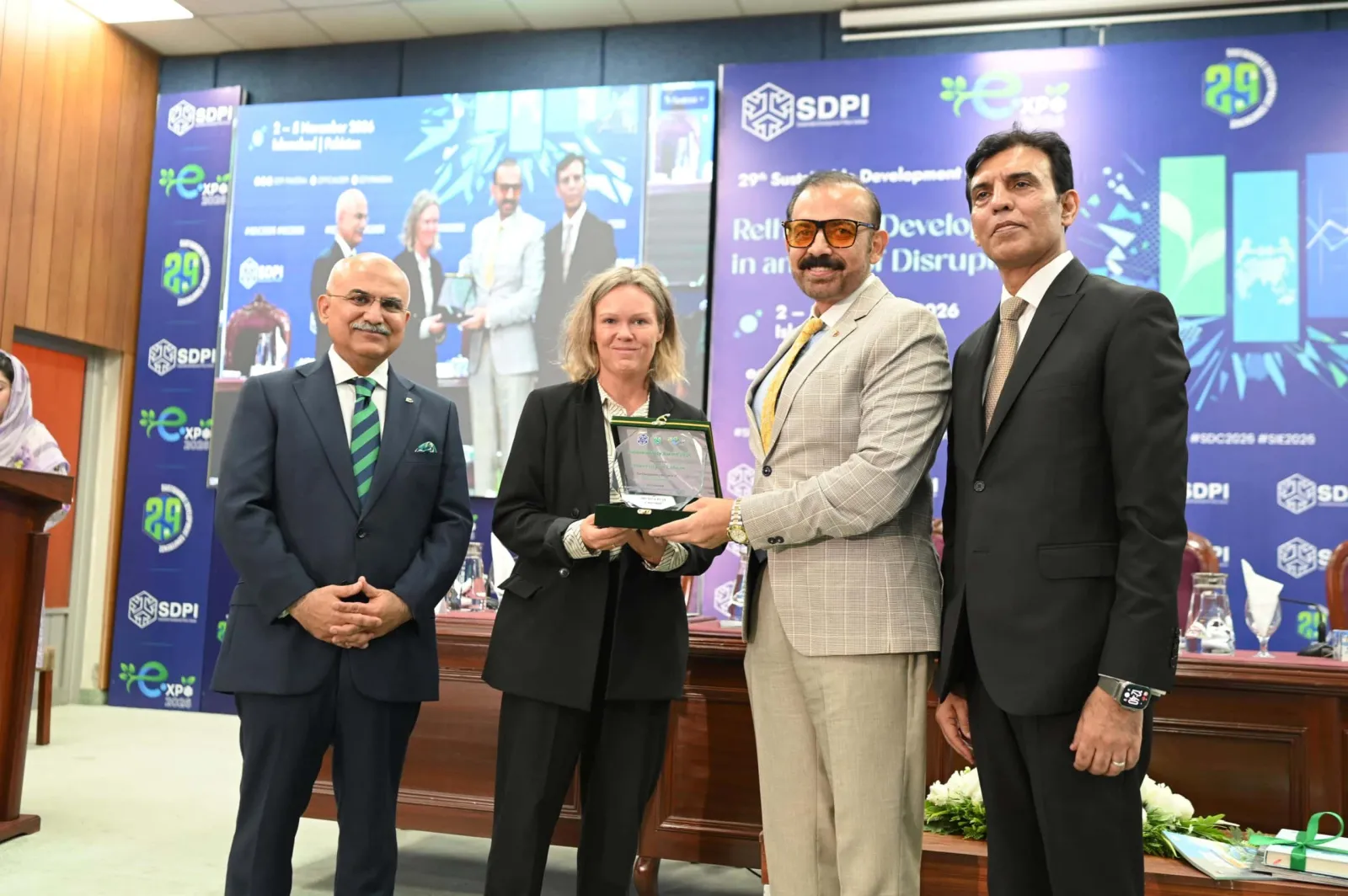
Coca-Cola Pakistan has been honored with the prestigious Sustainability Award in the Sustainable Cities and Built Environment category at the 29th Sustainable Development Conference and 4th Sustainability Investment Expo. The event was organized by the Sustainable Development Policy Institute, highlighting notable efforts toward ecological preservation and urban resilience across the country.
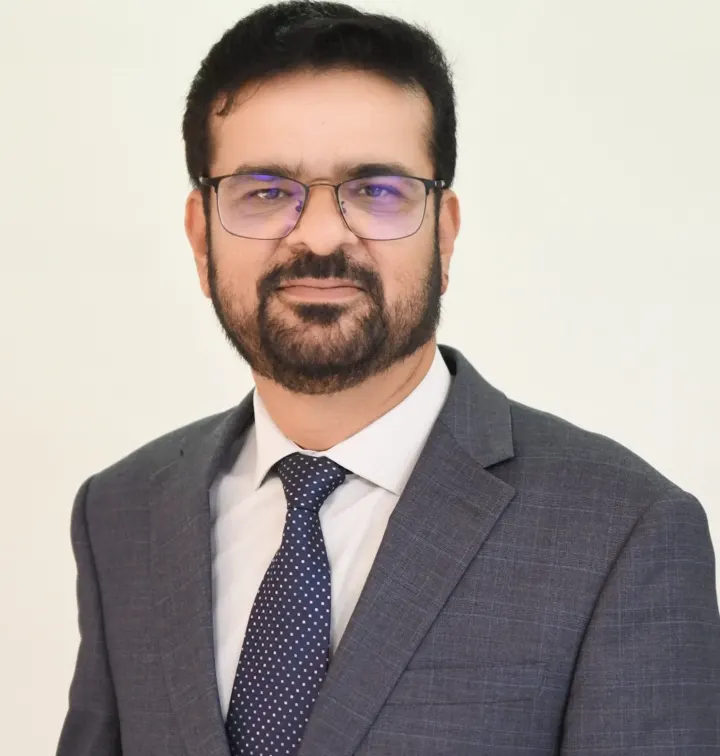
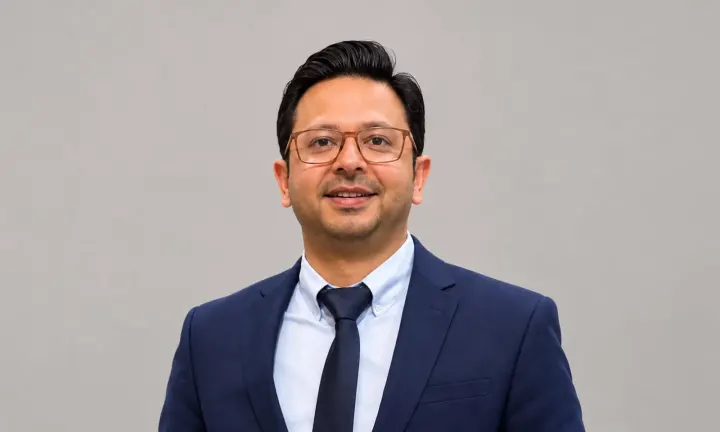
The award was presented by Her Excellency Maja Derrous Mortensen, Ambassador of Denmark to Pakistan, and Ms. Romina Khurshid Alam, Coordinator to the Prime Minister for Climate Change and Environmental Coordination. Dr. Faisal Hashmi, Senior Director, Public Affairs, Communications and Sustainability, Coca-Cola Pakistan and Afghanistan Region, received the award on behalf of the company during the proceedings.
Held under the theme of rethinking development in an age of disruption, the awards program acknowledges transformative initiatives that drive scalable, eco-friendly, and climate-resilient solutions. The recognition specifically honors a groundbreaking public-private partnership through which Coca-Cola Pakistan collaborated with the Capital Development Authority and TeamUp/National Incubation Center to construct Pakistan's first plastic road along Atatürk Avenue in Islamabad.
Understanding The Sustainable Development Policy Institute And The SDC
The Sustainable Development Policy Institute operates as an independent research institute and think tank in Pakistan, dedicated to sustainable development policy advocacy. Established to provide advisory services to government bodies, civil society, and the private sector, the institute conducts rigorous research on social, economic, and environmental issues. Its annual conference serves as a major platform for policymakers, academics, and industry leaders to debate pressing ecological and developmental challenges.
The 29th Sustainable Development Conference brought together diverse stakeholders to examine how modern infrastructure and economic models must adapt to environmental realities. Within this setting, the Sustainability Investment Expo showcased practical innovations and technologies designed to minimize carbon footprints and resource waste. Events of this scale foster dialogue between corporate entities and government agencies, setting benchmarks for future environmental governance in the region.
Public-private partnerships remain a central focus of discussions at these conferences, as government bodies alone often lack the financial flexibility and technical agility required to test novel green technologies. By bridging the gap between corporate social responsibility goals and municipal infrastructure needs, organizations like the Sustainable Development Policy Institute help accelerate the adoption of circular economy practices in urban planning.
The Mechanics And Impact Of Pakistan's First Plastic Road
The core achievement recognized by the jury involves the construction of Pakistan's first plastic road along Atatürk Avenue in Islamabad. Traditional asphalt roads face severe degradation due to heavy traffic loads, extreme temperature fluctuations, and monsoon rains, requiring frequent and costly repairs by municipal authorities. Integrating recycled plastic waste into asphalt mixtures alters the chemical composition of the binder, enhancing the tensile strength and durability of the road surface.
This innovative paving method diverts massive quantities of single-use plastic waste from landfills and waterways, transforming discarded materials into valuable municipal assets. Plastic-modified roads generally exhibit higher resistance to water infiltration, rutting, and fatigue cracking compared to conventional asphalt surfaces. For urban centers dealing with rising volumes of municipal solid waste, this technique offers a dual benefit of cleaning up the environment while improving public infrastructure.
Municipal authorities stand to gain significant cost savings over the long lifecycle of these roads due to reduced maintenance requirements and extended resurfacing intervals. As cities expand and traffic congestion increases, implementing durable pavement solutions reduces the frequency of road construction delays that disrupt urban commuters and local businesses alike.
Collaborative Efforts Between Government And Corporate Partners
The success of the Atatürk Avenue project rests on a multi-stakeholder framework involving corporate resources, administrative authority, and technological incubation. Coca-Cola Pakistan provided the corporate backing and initiative required to fund and champion the material application, aligning with global corporate sustainability targets. Meanwhile, the Capital Development Authority supplied the regulatory clearance, engineering oversight, and geographical access needed to implement the paving on a major urban thoroughfare.
Involvement from TeamUp and the National Incubation Center brought entrepreneurial vision and technical startup support into the traditional civil engineering sector. This collaboration demonstrates how innovation hubs can connect large corporations with specialized green technology providers to solve complex municipal challenges. By using local startup ecosystems, the project nurtured home-grown expertise in waste management and materials science.
Diplomatic presence at the award ceremony, featuring the Ambassador of Denmark alongside national climate coordinators, underscored the international relevance of local climate resilience measures. Foreign missions frequently monitor and support green transition projects in developing economies, encouraging bilateral cooperation on climate change adaptation strategies. Such recognition elevates the profile of Pakistani environmental initiatives on the global stage.
Future Outlook For Green Infrastructure In Pakistan
Following the successful pilot implementation along Atatürk Avenue, attention turns to the potential scaling of plastic road construction across other major cities in Pakistan. Urban planners and municipal engineers are observing the performance of the Atatürk Avenue surface under varying seasonal conditions to establish standardized guidelines for future tenders. Expanding this practice requires establishing reliable supply chains for sorted and shredded plastic waste to ensure consistent quality in asphalt mixtures.
Corporate entities and regulatory bodies face the ongoing task of educating the public and municipal workforce about the long-term benefits of circular infrastructure investments. Training civil engineering students and municipal contractors in modern waste-to-road techniques will be essential for mainstreaming these practices beyond isolated pilot projects. Watchers of urban development policy should monitor upcoming municipal budgets and public works announcements for signs of wider adoption.
As climate pressures intensify and municipal budgets face tightening constraints, innovative solutions that merge waste management with civil engineering will remain critical. The recognition of Coca-Cola Pakistan at the 29th Sustainable Development Conference signals a growing appetite for transformative partnerships that redefine how cities build and maintain their physical foundations.