Bilal Bin Saqib Urges Pakistan to Embrace Financial Innovation
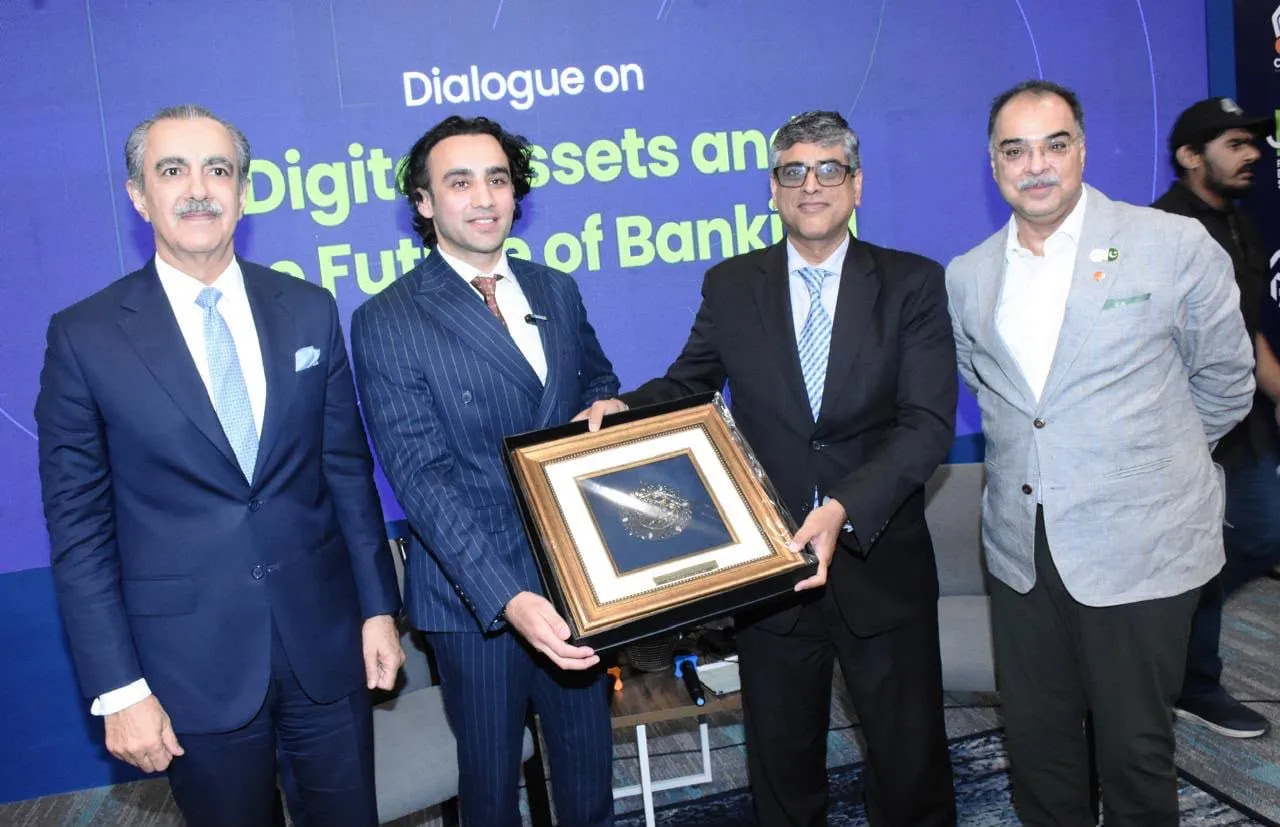
Minister of State and Pakistan Virtual Assets Regulatory Authority Chairman Bilal Bin Saqib recently stated that Pakistan must adopt financial innovation and emerging technologies to secure a position as a major global player. Speaking at the Lahore University of Management Sciences on Monday, he emphasized that the nation cannot afford to remain a passive consumer of technologies while international financial rules undergo massive rewrites. The high-profile dialogue, titled Digital Assets and the Future of Banking, brought together prominent leaders including Pakistan Banks Association Chairman Zafar Masud.
During the event, the regulatory chief pointed out that Bitcoin acted as the primary gateway into the broader digital assets ecosystem. He noted that the high level of local adoption highlights the world-class talent possessed by Pakistanis and their natural ability to adapt to future financial trends. However, he clarified that blockchain technology extends far beyond simple cryptocurrency trading and Bitcoin. According to his remarks, the technology encompasses fundamental changes in value storage, asset tokenization, programmable money, and broader access to investment opportunities.
How Blockchain and Digital Assets Transform Economies
The integration of advanced financial technologies offers tangible benefits for developing nations by expanding financial inclusion and opening investment avenues to broader populations. Major international financial institutions, such as JPMorgan, HSBC, Citibank, and BNY, have already begun adopting blockchain-based systems to create superior financial products and tap into new business models. By following these global trends, Pakistan could significantly modernize its internal financial infrastructure and reduce transaction friction.
Historically, Pakistan missed out on shaping international correspondent banking frameworks and card payment systems when they were first established decades ago. The country continues to bear the economic cost of that early exclusion from global standard-setting bodies. The regulatory chairman argued that the nation must actively participate as a co-author of emerging global financial rules rather than merely adopting systems developed by other countries.
The Economic Cost of Inaction and Remittance Potential
Addressing the pressing economic choices facing the country, the minister posed a direct question to the audience regarding whether the nation intends to rent or own its future. He warned that the financial cost of doing nothing far outweighs the calculated risks of taking timely, responsible action. Remittances serve as a vital lifeline for the domestic economy, yet much of the international transfer infrastructure still relies on antiquated systems built many years ago.
Pakistan handles approximately $41 billion in remittances annually from overseas workers. Reducing transaction costs on these transfers by just two to three percent could channel an extra billion dollars directly into the grassroots economy. To address this inefficiency, the Pakistan Virtual Assets Regulatory Authority is collaborating with the State Bank of Pakistan through a joint working group. This group is actively examining ways to improve payment efficiency, lower remittance costs, and evaluate a potential pilot project focused specifically on the Gulf remittance corridor.
Regulatory Coordination and Bank Collaboration
Establishing an enabling regulatory environment requires close cooperation between commercial banks, the central bank, and specialized authorities. Regulators must coordinate their supervisory efforts to provide absolute clarity and confidence to financial institutions. This regulatory certainty allows commercial banks to direct their internal resources toward true product innovation and customer service development rather than compliance confusion.
Furthermore, domestic banks should collaborate on shared financial infrastructure, including cybersecurity protocols, know-your-customer systems, and custody services, while simultaneously competing on customer service and product affordability. The Pakistan Virtual Assets Regulatory Authority is currently working alongside the State Bank of Pakistan and the Securities and Exchange Commission of Pakistan to build this supportive regulatory framework.
Leveraging Overseas Expertise and Cybersecurity
Tapping into the deep expertise of overseas Pakistani professionals working in the global financial technology sector represents another critical step for domestic growth. These expatriates can bring valuable institutional knowledge and technical experience back to the homeland. Fostering a robust local fintech ecosystem helps transform the domestic banking sector into a vibrant regional hub for financial innovation.
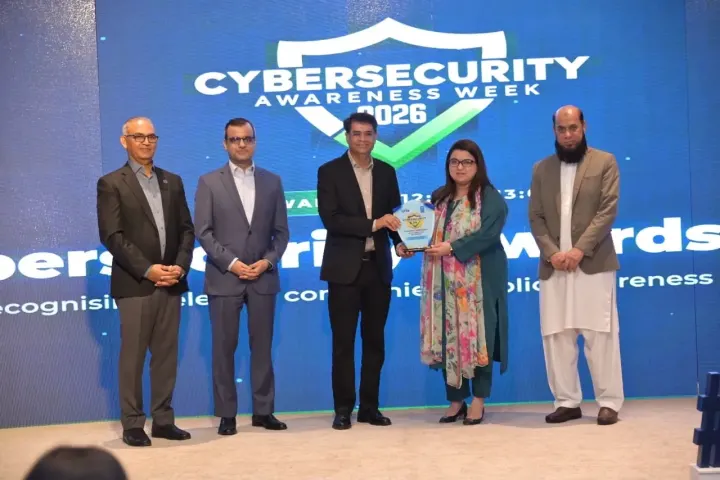
At the same time, the rapid expansion of digital financial systems demands rigorous cybersecurity measures. The regulatory chief cautioned that cyberattacks should never be dismissed merely as technology failures, but rather viewed as reminders of underlying weaknesses in security protocols. Financial institutions must continuously strengthen their defense frameworks to prepare for increasingly sophisticated, state-sponsored digital threats. Ensuring a secure and resilient digital infrastructure remains vital for supporting long-term economic innovation.
The high-level dialogue concluded with an interactive question and answer session where the speaker addressed inquiries from attendees. Other notable figures attending the event included LUMS Vice Chancellor Dr Ali Cheema and State Bank of Pakistan Deputy Governor Saleem Ullah.