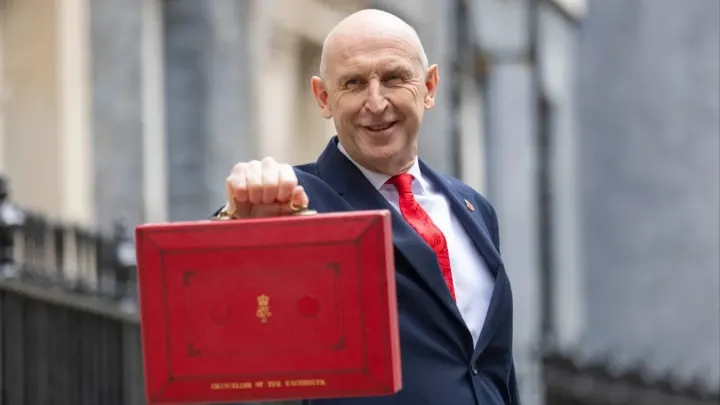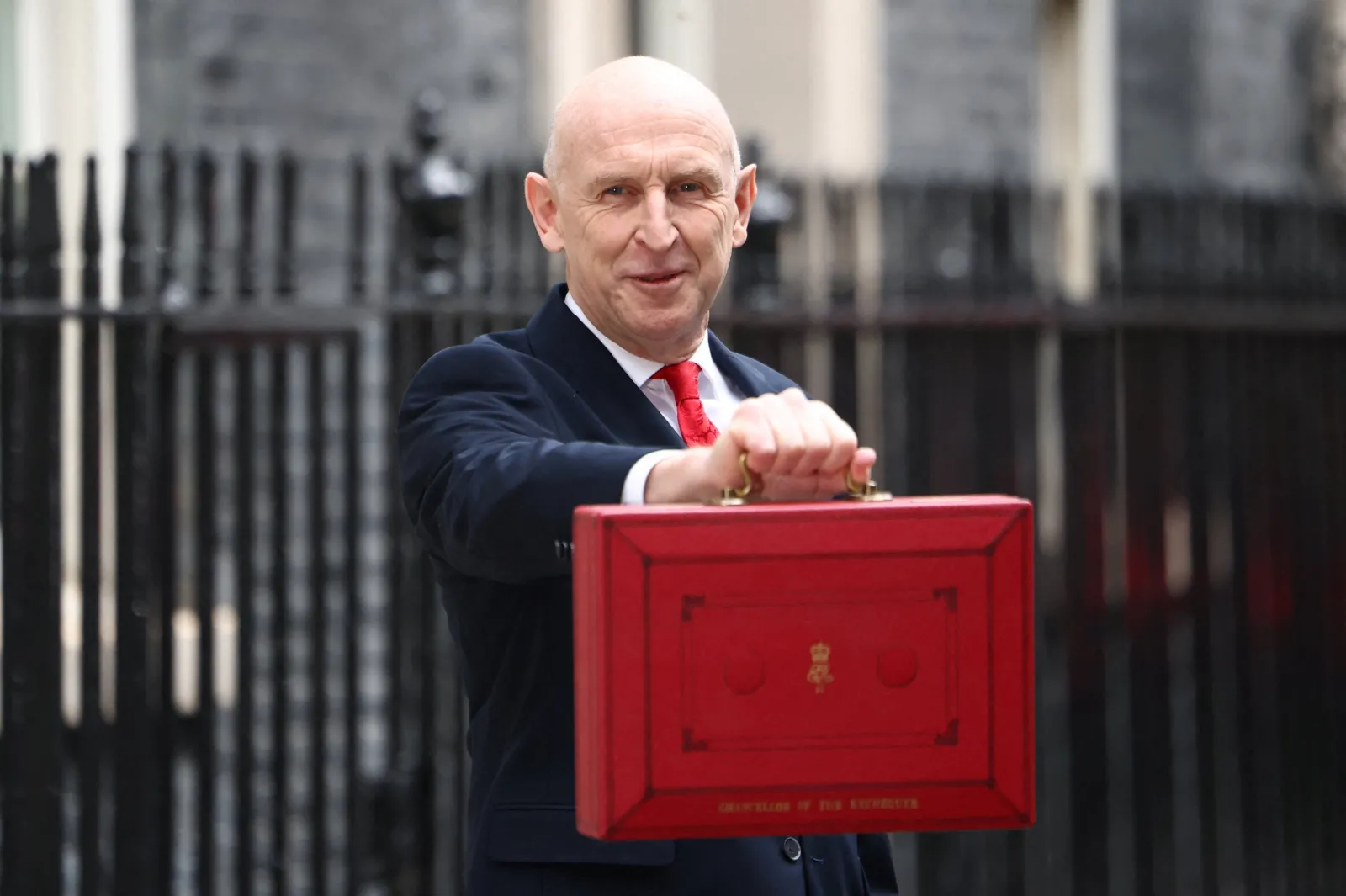
Recently, Andy Burnham appeared outside No10 to pledge a bold strategy for fixing the cost of living crisis and getting Britain back to work. Yet the Chancellor delivered cautious adjustments that fell far short of the Prime Minister's ambitious words.
The largest giveaway from the Chancellor was a £100 energy grant for low-income households, which will be completely erased by an expected £276 rise in average household bills next year. On major national challenges, the Chancellor avoided taking decisive action.
This careful financial plan ignored the underlying drivers of economic trouble, which continue to worsen. Welfare spending is projected to jump by £19billion this year, reaching £353billion or roughly 11 per cent of national output, before climbing to £431billion by 2031/32. The Chancellor delayed decisions by stating he must wait for benefit system reviews to conclude.
Taxpayers face a rising burden as thresholds remain frozen, pulling more low earners into income tax and moving others into higher brackets. A significant portion of funds will service the £3trillion national debt, with interest payments adding £14billion this year.
The Chancellor also omitted funding details for hitting Nato spending targets by 2030, despite recent warnings from the Defence Secretary to prepare for conflict. However, the fuel duty freeze was extended, though rising global oil prices threaten to offset any savings at the pumps.
Additional tax increases target landlords and savers, which could lead to higher rents for tenants or worsen housing shortages. A five per cent tax increase on gambling machines is expected to cost jobs and hurt high street bookmakers.
Rather than providing a radical reset to stimulate growth, the plan resulted in increased taxes, higher welfare costs, and growing debt. Tory leader Kemi Badenoch responded to the announcement with three words, asking, Is that it?