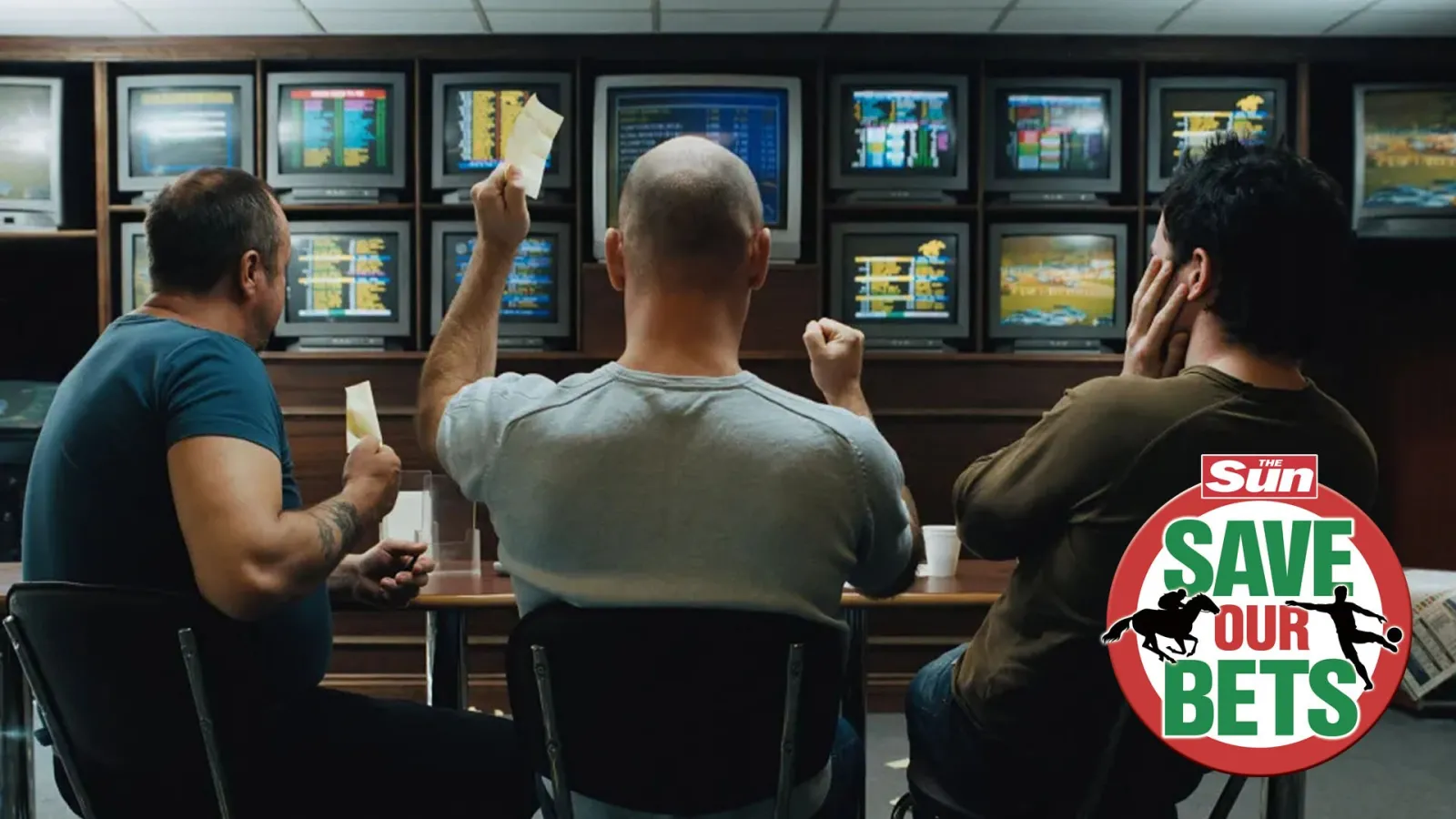
Thousands of high street positions faced uncertainty yesterday as bookmakers were targeted with another tax hike.
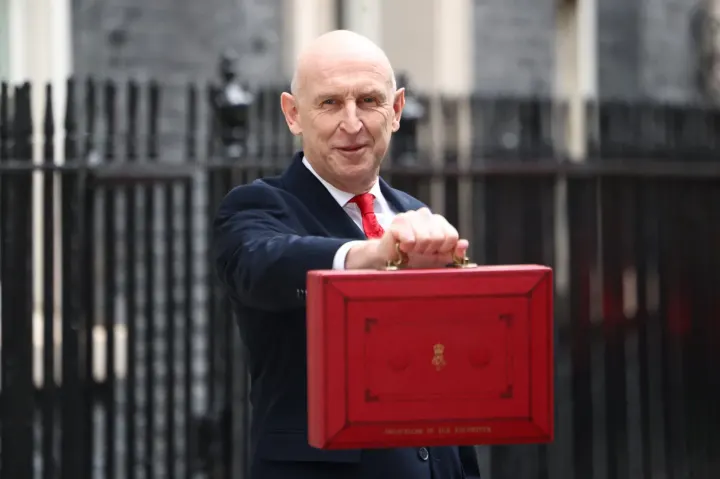
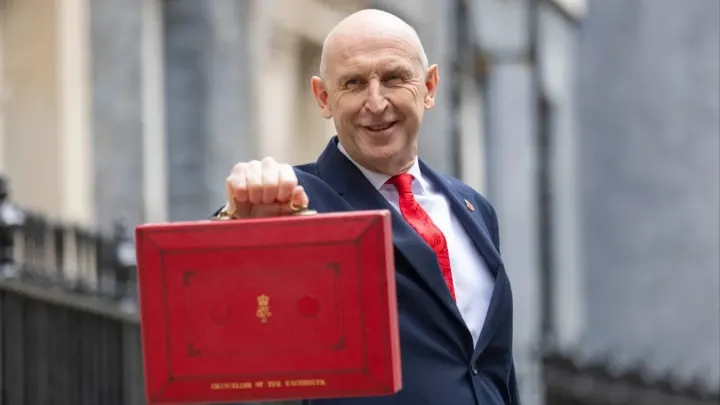
Chancellor John Healey moved forward with an increase in gambling duties despite warnings that the policy could force betting shops to shut down and leave town centres with vacant properties.
However, betting shops were not the sole target in his Budget announcements, with landlords, savers, banks, and business owners also confronting higher tax obligations.
Mr Healey defended the increases after his speech, stating, "I've made my choice at this Budget, asking a bit more of our banks to support ordinary people, raising taxes on gambling to support good growth on every high street."
The announcement triggered outrage across the betting sector, which previously suffered from tax increases introduced by Rachel Reeves during her time as Chancellor last year.
Mr Healey stated that the Machine Games Duty on higher-stakes gambling machines will increase from 20 to 25 per cent starting in April next year, remaining below a feared 40 per cent level.
Nevertheless, executives worry that the additional expenses might still drive betting shops out of business.
Betting and Gaming Council chief executive Grainne Hurst said, "Every betting shop or casino closure means lost livelihoods, empty premises and another huge blow to our high streets."
She added, "These venues will not simply be replaced, particularly in places already struggling to attract jobs and investment."
She also stated, "The Chancellor has chosen a tax rise that will cost British jobs, close businesses and hollow out high streets, while handing an advantage to illegal operators."
She concluded, "The Government cannot ignore the consequences of this decision."
The Chancellor noted that the extra tax revenue will fund a reduction in business rates for high street establishments, raising the threshold from £12,000 to £18,000 and removing 70,000 businesses from the system.
Elsewhere in today's Budget...
- Millions of workers will get pay rises in April next year as minimum wage set to rise by 3.9%
- Fuel duty was frozen and the Chancellor kept the 5p discount
- Labour committed to hit 3% of spending on defence by 2030
- Brits in council tax bands A to D will get £100 off their energy bills
- Machine games duty rose from 20 to 25%
- Gas standing charges were scrapped by Labour
- Ukraine will receive an extra £10bn from Britain
- Millions of pensioners to pay tax for first time, while some shielded
- The Chancellor has announced he will slash £800m of red tape for businesses
- The surcharge on bank profits above £100m from 3% to 6%
Industry figures indicate that more than 600 betting shops have closed since the previous year's Budget.
Ladbrokes and Coral parent company Entain reported yesterday that the newest increase will add roughly £25million a year in costs to its UK and Ireland retail operations.
Chief executive Stella David described it as "another disappointing decision by the Government."
She noted, "The tax increases announced in November last year have already had detrimental consequences across the industry. These additional tax changes will further compound that damage and push more people into the growing illegal market."
Banks in Britain were also instructed to contribute more through a temporary increase in the Bank Corporation Tax Surcharge from three to six per cent for 15 months starting in January.
Mr Healey explained that this measure will help finance £100 energy payments for 20million households.
Landlords faced increased costs as well after the Chancellor raised income tax rates on property earnings by two percentage points beginning next April.
Basic-rate taxpayers will encounter a 24 per cent rate on taxable rental profits, higher-rate taxpayers will pay 44 per cent, and additional-rate taxpayers will owe 49 per cent.
Tax rates on savings interest will also climb by two percentage points starting next April.
Furthermore, the lifetime threshold for Business Asset Disposal Relief was halved by the Chancellor from £1million to £500,000.
Regional mayors were granted authority to impose a tourist tax on overnight stays beginning in 2028.