Culture Secretary Lisa Nandy Faces Backlash Over Remembrance Sunday EU Remarks
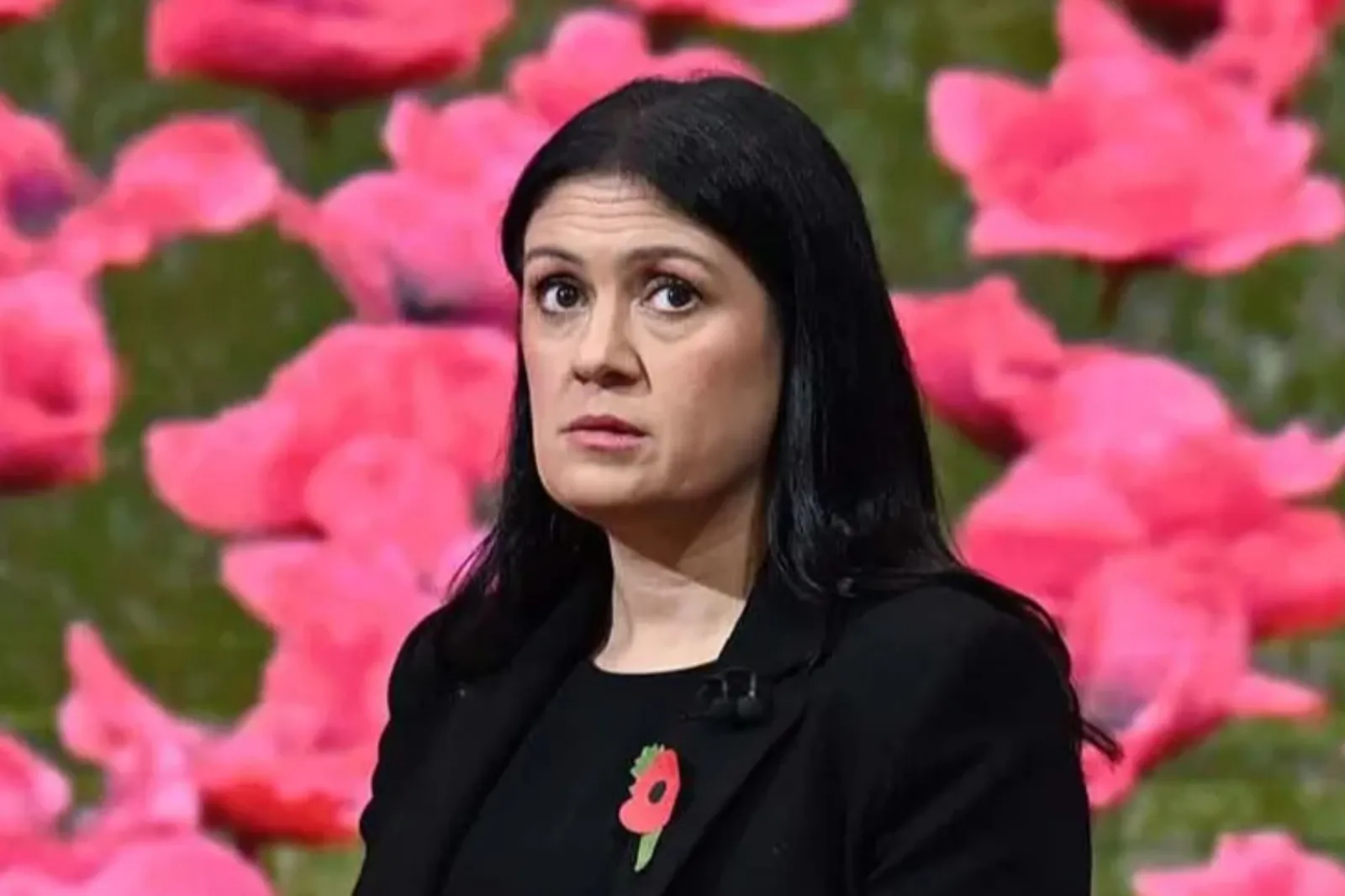
Culture Secretary Lisa Nandy sparked significant political controversy after invoking Remembrance Sunday to promote her administration's European Union reset policies. While addressing the public during national commemorations, she argued that veterans would want the country to repair its diplomatic relationships with European neighbours. The remarks immediately drew heavy criticism from commentators and political opponents who accused the minister of inappropriately politicising a solemn national event.
The controversy centres on whether political figures should ever use days of national mourning and military remembrance to advance contemporary policy agendas. Critics pointed out that historical figures from across the political spectrum have traditionally suspended partisan debates during Cenotaph services. By using the occasion to champion a controversial diplomatic shift, the government has reopened deep divisions over national sovereignty and international relations.
Political Traditions and the Golden Rule of Remembrance Sunday
British politics has long maintained a strict unwritten rule that partisan arguments must be set aside during Remembrance events. Past political leaders have suffered severe electoral consequences for even minor missteps or perceived disrespect during these national tributes. For instance, Rishi Sunak faced intense public backlash during the 2024 D-Day commemorations in Normandy after cutting his time short to return to London for a television interview. Similarly, former Labour leader Michael Foot endured decades of ridicule for wearing what many perceived as inappropriate attire at the Cenotaph.
These historical precedents demonstrate how deeply the British public values the separation of party politics from the solemn remembrance of fallen service members. When government ministers use these moments to push specific policy proposals, they risk alienating citizens who expect complete neutrality. The public sentiment remains protective of these traditions, viewing them as moments for collective grief and gratitude rather than legislative promotion.
The Erasmus Programme and the Broader EU Reset Debate
At the heart of the government's current diplomatic strategy is a renewed push for closer ties with Brussels, which includes rejoining the Erasmus Programme at a cost of £570million a year. The student exchange initiative has become a flashpoint in the ongoing debate over post-Brexit alignment. Proponents argue that the programme provides invaluable educational and cultural opportunities for young people, fostering international cooperation and academic mobility.
Conversely, detractors question whether rejoining such programmes represents a step toward reversing the outcome of the 2024 referendum. Critics also highlight alternative policies, such as the Turing Scheme introduced by the previous Conservative administration, which aimed to facilitate global student exchanges rather than focusing exclusively on Europe. The financial commitment required for the Erasmus Programme adds another layer of contention for taxpayers concerned about public spending.
Historical Criticisms and Accuracy of Ministerial Statements
During her statement, Lisa Nandy made assertions regarding the motivations of military personnel who fought in past global conflicts, suggesting they forged a path for cooperation that prevented subsequent wars. Historians and military observers quickly challenged this interpretation. Critics noted that British service personnel have fought in numerous foreign conflicts since the Second World War, including the Falklands, the Gulf, and Afghanistan.
Observers suggested that attempting to align the sacrifices of wartime soldiers with modern student exchange schemes fundamentally misunderstands military history. Soldiers in the trenches of the First World War or pilots defending the nation in the summer of 1940 fought to protect national freedom against existential threats. Linking their sacrifices to contemporary debates about higher education funding and international treaties has struck many as historically inaccurate and inappropriate.
Assessing the Strategy Behind the Labour Government EU Policy
The controversy highlights wider suspicions regarding the administration's long-term intentions toward European integration. Although the governing party entered office with a manifesto commitment opposing a return to the EU, the single market, or the customs union, critics argue that a gradual approach is underway. Through measures such as accepting regulatory alignment and committing substantial funds to European programmes, the government faces accusations of achieving integration by stealth.
This strategy, according to detractors, risks leading the country back into full membership without a direct mandate from the electorate. The intervention by the Culture Secretary is viewed by some analysts as an intentional effort to soften public resistance to these deeper institutional ties. As the debate continues, the tension between fulfilling international partnerships and respecting the boundaries of national tradition remains a central theme in British politics.