Ed Miliband and the 2015 Russell Brand Interview Controversy
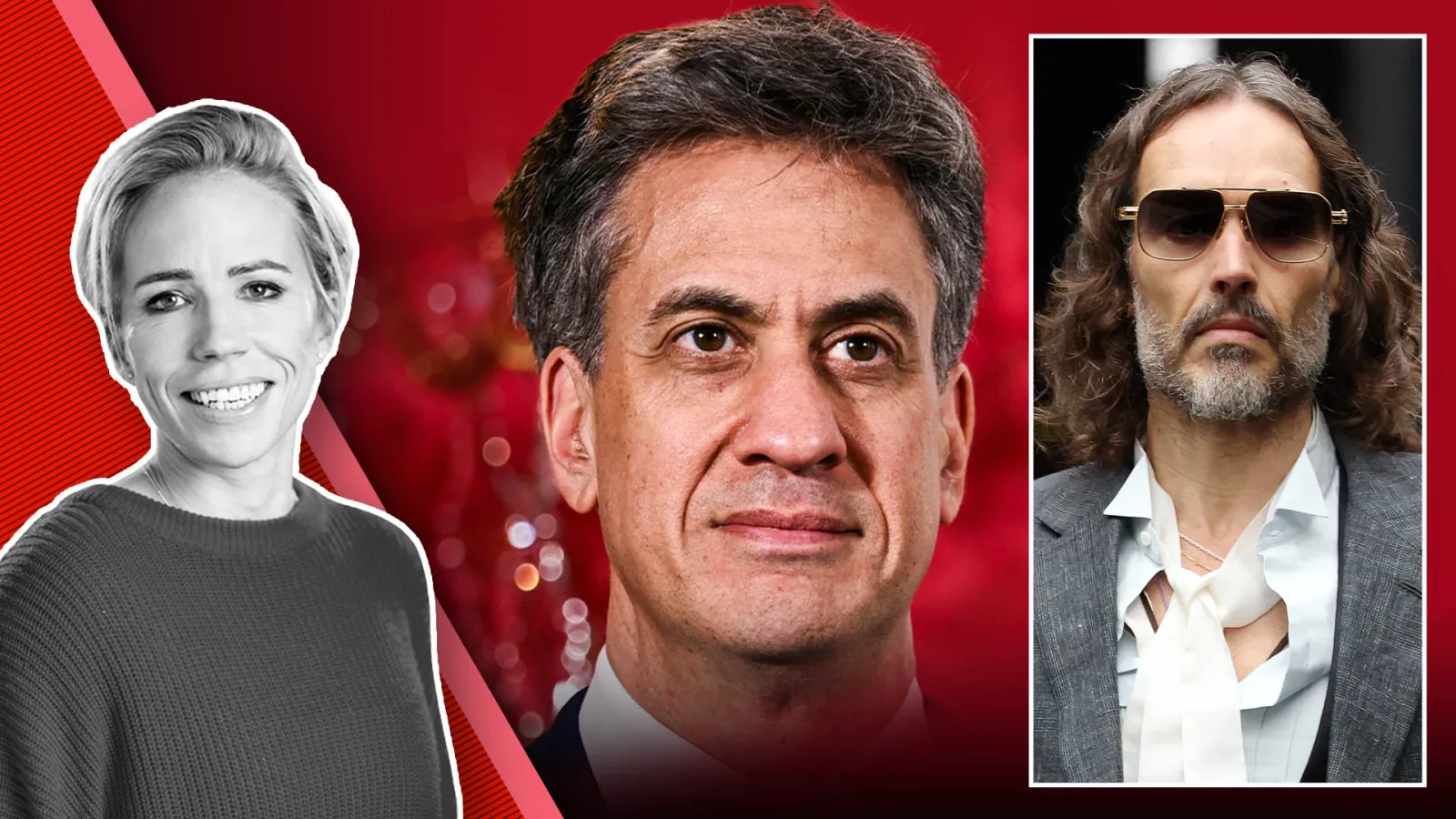
Labour politician Ed Miliband is facing intense public scrutiny regarding his political association with Russell Brand during the 2015 general election campaign. Back in 2015, Mr Miliband sat down for an interview with the media personality in an effort to attract younger voters to the Labour Party platform. In the wake of Brand being convicted of rape and sentenced to ten and a half years in prison, critics are questioning why senior politicians who aligned with him have not offered more substantial public contrition.
During the 2015 campaign, political figures sought out various media channels to expand their reach, leading to high-profile engagements with unconventional interviewers. The decision to participate in such formats has drawn sharp criticism given the revelations that emerged years later through investigative journalism by The Sunday Times and Channel 4 Dispatches. While other political figures have addressed their past associations, questions persist regarding the ongoing silence and lack of further statements from Mr Miliband.
The Background of the 2015 Election Strategy
The political landscape in 2015 was marked by intense competition for every demographic, particularly younger citizens who traditionally showed lower voter turnout rates. Political strategists often recommended unorthodox media appearances to bypass traditional news outlets and speak directly to audiences on entertainment platforms. Mr Miliband, who was then leading the Labour Party and attempting to secure the office of Prime Minister, participated in the interview as part of this outreach effort.
Critics point out that warning signs regarding Brand's public persona and past writings were already accessible on the public record years prior to the interview. In his 2007 autobiographical work, Brand detailed various instances of mistreating women and compiled lists of individuals he claimed to have wronged. Despite these published accounts, mainstream political figures engaged with him to leverage his cultural influence for electoral gain before ultimately losing the election to David Cameron.
Public Reaction and Comparisons to Other Political Figures
In the aftermath of the criminal trial and sentencing, other political leaders have faced their own historical connections and responded directly to the public. The Prime Minister publicly described the crimes as horrific and offered an apology for past associations, noting that public figures do not always possess full knowledge of individuals operating in the entertainment industry. In contrast, Mr Miliband has offered very little in terms of recent statements, having previously expressed regret only during a 2023 conversation with the BBC after investigative reports had already been published.
Observers and commentators argue that the lack of an updated, comprehensive statement leaves a significant gap in accountability for someone holding a major government role. The situation has reignited broader discussions about due diligence in political campaigns and the risks politicians take when associating with controversial cultural figures in pursuit of media attention and voter engagement.
Wider Implications for Political Accountability and Media Engagement
The controversy surrounding the historic interview highlights the complicated relationship between politicians and high-profile media personalities. As political campaigns increasingly use non-traditional platforms and digital influencers, the potential for reputational risk grows when those personalities face severe legal or moral downfall later on. Observers note that political parties must weigh the short-term benefits of youth outreach against the long-term consequences of validating figures whose past behavior or public commentary includes red flags.
Furthermore, the reliance on investigative journalism rather than law enforcement channels for initial accountability has drawn national attention. The victims who came forward chose to share their experiences with reporters rather than the police or the Crown Prosecution Service initially, pointing to systemic challenges in how such allegations are handled. As the political fallout continues, public demand for transparency and genuine contrition from all leaders involved in past associations remains high.