Daily Petrol and Diesel Price Updates for Today
The Federal Government has officially transitioned to a strategy of adjusting petrol and diesel prices daily. Effective July 17, 2026, the Oil and Gas Regulatory Authority (OGRA) has started revising the ex-depot prices of petroleum products, including petrol and diesel, every 24 hours. The government implemented this drastic measure to shield the local economy from extreme market volatility.
The newly revised prices show a downward trend for consumers. OGRA has announced a decrease in the price of Motor Spirit (MS), commonly known as petrol. Meanwhile, the price of High Speed Diesel (HSD) has also been decreased.
For Motor Spirit (MS), the previous price recorded on 26/10/2026 was Rs. 314.00, and the revised price for 27/10/2026 stands at Rs. 313.00, reflecting a difference of -1.00. For High Speed Diesel (HSD), the previous price on 26/10/2026 was Rs. 348.00, and the revised price on 27/10/2026 is Rs. 346.00, marking a difference of -2.00.
These daily adjustments will remain unchanged during weekends (Saturdays and Sundays) and public holidays.
Understanding the Global Energy Crisis and Fuel Supply Disruption
This pricing shift directly results from the largest disruption to the world energy supply since the 1970s. The 2026 US-Israel war on Iran triggered a massive global fuel crisis. In late February, Iran blocked shipping traffic through the Strait of Hormuz. This critical maritime chokepoint previously handled about 25% of the world's seaborne oil trade. The United States retaliated with an extensive naval blockade on Iranian ports.
A temporary ceasefire briefly restored hope in June. However, the truce completely collapsed on July 8 following renewed strikes on commercial vessels. Iran immediately closed the strait again. The US military subsequently launched consecutive rounds of airstrikes to force it open. These relentless crossfires and blockades continue to strangle global oil shipments. Consequently, OGRA must now manage the crisis with daily adjustments in petrol and diesel prices at the pump.
How the Oil and Gas Regulatory Authority Manages Daily Rates
The Oil and Gas Regulatory Authority operates as the primary oversight body for the petroleum sector, ensuring stable supplies and regulated tariffs. Transitioning from fortnightly or monthly reviews to a 24-hour pricing cycle represents an unprecedented shift in regulatory policy. This mechanism allows state authorities to pass international crude fluctuations directly to the domestic market in micro-steps. By doing so, the state prevents massive, sudden price shocks that typically paralyze industrial planning and consumer spending.
Managing daily adjustments requires constant monitoring of international benchmark crudes, shipping insurance premiums, and regional supply routes. When maritime conflicts escalate in the Middle East, landed costs for imported refined products shift overnight. OGRA calculates these ex-depot rates based on daily cargo arrivals, demurrage costs, and foreign exchange rates. Fuel marketing companies and dealers must update their dispensing systems to reflect these rolling updates without disrupting retail operations.
The exclusion of weekends and public holidays provides a necessary operational buffer for fuel stations and logistics providers. Banks and financial clearing houses operate on restricted schedules during weekends, making large-scale corporate fund transfers complex. Keeping rates static on Saturdays and Sundays ensures that retail pump operators can reconcile their daily accounts without facing sudden inventory valuation losses or pricing discrepancies.
Historical Context of Middle East Conflict and Oil Shocks
To understand the current domestic fuel pricing mechanism, experts look back at historical precedents where maritime chokepoints dictated global economic health. The Strait of Hormuz has long been the jugular vein of international petroleum logistics, connecting the oil fields of the Persian Gulf to consumers across Asia, Europe, and the Americas. Whenever geopolitical tensions close this narrow channel, the instantaneous withdrawal of millions of barrels per day sends shockwaves through futures exchanges.
Previous oil shocks, such as the 1973 embargo and the 1979 Iranian Revolution, forced governments worldwide to adopt strategic reserves and emergency pricing controls. However, the modern interconnected economy reacts much faster to supply blockades due to algorithmic trading and instant news dissemination. The current conflict combines naval warfare with drone attacks on commercial tankers, making maritime transit through the Gulf nearly impossible for uninsured or under-protected vessels.
The escalation in early 2026 caught energy markets off guard, leading to immediate spikes in Brent and WTI crude benchmarks. Even though temporary diplomatic efforts in June offered a brief window of relief, the underlying structural issues remained unresolved. When commercial shipping resumed briefly, lingering risks and high marine war-risk insurance kept freight rates elevated. The collapse of the ceasefire in July cemented a prolonged era of supply insecurity.
Economic Impact on Citizens, Businesses, and Transport Sectors
Daily price fluctuations create significant challenges for ordinary citizens who rely on personal vehicles and public transportation for daily commutes. Household budgeting becomes difficult when commuting costs shift every twenty-four hours, even if recent revisions show a modest downward trend. Consumers must monitor daily news updates to plan refuelling stops and manage monthly transportation expenditures effectively.
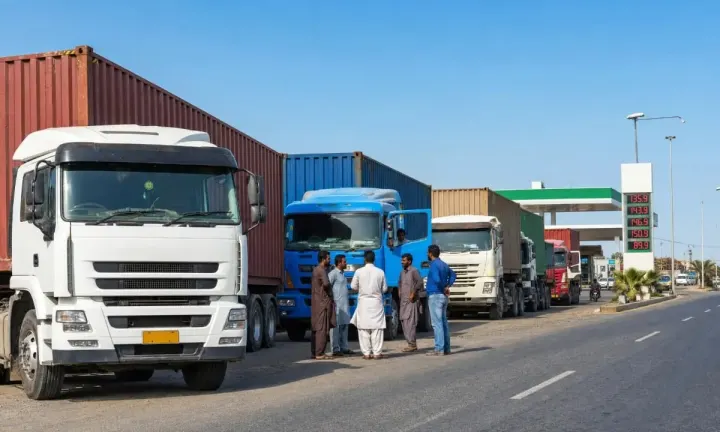
Commercial enterprises, particularly logistics providers, freight forwarders, and public transport operators, face severe operational hurdles under a daily pricing model. Fleet managers can no longer lock in fixed fuel budgets for monthly distribution contracts, forcing transport companies to introduce dynamic fuel surcharges. Small and medium enterprises that depend on localized delivery networks must constantly adjust their pricing structures to absorb shifting transportation overheads.
Agricultural producers also feel the squeeze, as tractors, irrigation pumps, and harvest transport vehicles rely heavily on High Speed Diesel. A reduction in diesel prices from Rs. 348.00 to Rs. 346.00 offers minor relief to farmers struggling with elevated input costs. However, the inherent unpredictability of the energy market means that farming communities remain vulnerable to sudden cost reversals during peak planting and harvesting seasons.
What to Watch for in Future Energy Markets and Pricing Policies
Observers of the energy sector are closely monitoring diplomatic channels for any signs of renewed ceasefire talks or proposals to internationalize the security of the Strait of Hormuz. The primary metric determining whether daily petrol and diesel price adjustments will continue is the physical reopening of commercial shipping lanes in the Persian Gulf. Until international naval escorts can guarantee safe passage for oil tankers, baseline volatility will persist.
Market analysts advise watching weekly global crude inventory reports and statements from major oil-producing nations for indicators of supply stabilization. Domestically, consumers and businesses should track official OGRA notifications published every evening to anticipate next-day pump rates. Policymakers continue to evaluate whether alternative overland supply routes or emergency strategic reserves can supplement dwindling imports if the maritime blockade extends indefinitely.