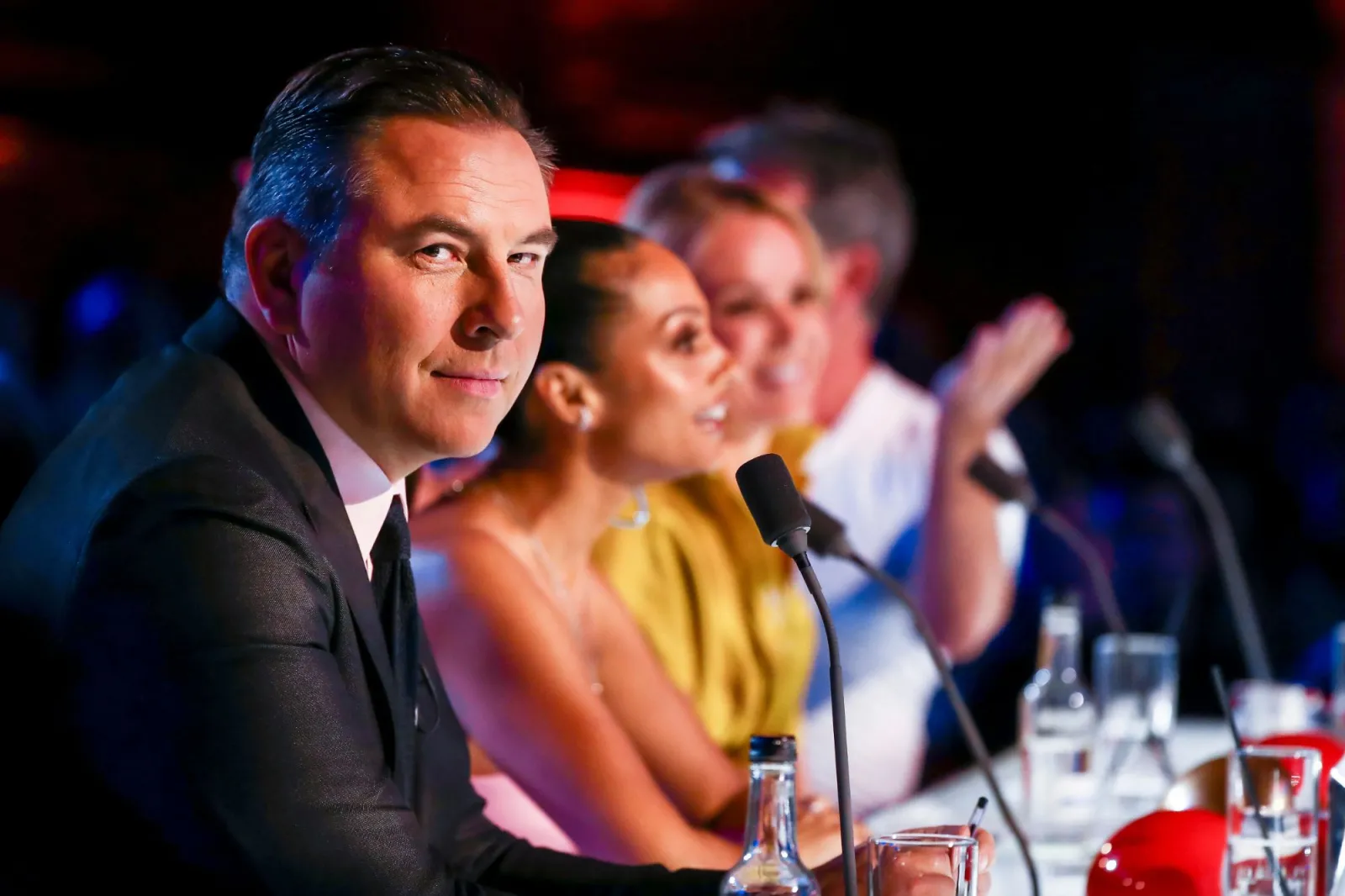
David Walliams OBE is facing renewed legal and public scrutiny after a High Court judgment last week rejected his request to prioritize his mental health over the alleged victims' rights, and police have begun inviting alleged victims to speak.
The judgment, delivered by the High Court in London, means the case will proceed without Walliams' appeal, and the media have continued to investigate despite threats that Walliams made to kill himself if the story was pursued.
What the High Court Decision Means for the Case
The court's refusal to grant an injunction means that the details of the allegations can be reported openly. An injunction would have kept the claims private, but the judge ruled that the public interest in hearing the accusations outweighs Walliams' claim of needing protection for his mental health. This decision aligns with precedent that courts rarely block reporting on alleged sexual offences involving minors.
Walliams has denied any illegal conduct. He maintains that any interactions with fans of all ages were innocent and that he never engaged in grooming or sexual activity with a minor. His legal team, funded by his estimated net worth of £20 million, is expected to continue defending him in court.
Police Investigation and Potential Prosecution
Following the judgment, the Metropolitan Police have formally invited alleged victims to provide statements. If the police gather sufficient evidence, the case could move to prosecution. Sexual contact with a minor in the UK is a serious offence, carrying a maximum sentence of up to 14 years in prison.
Should a prosecution occur, Walliams could face a similar fate to fellow comedian Russell Brand, who was sentenced to 10½ years after multiple sexual-offence convictions.
Who Are the Alleged Victims and What Are Their Claims?
The most detailed allegation comes from a claim that Walliams groomed a 15-year-old girl and later molested her at his mansion. The claim was first amplified on social media, where memes depicting Walliams as a Little Britain character spread rapidly. The Guardian and ITV News have each published pieces giving Walliams the opportunity to respond, though his responses have been limited to blanket denials.
Other alleged victims have been encouraged to come forward by whistleblowers within the entertainment industry. One such whistleblower, identified only as "Lucy Beaumont", offered to pay legal fees for an alleged victim and described Walliams inviting girls into his dressing room at the Britain's Got Talent (BGT) set.
What Role Did Britain's Got Talent Staff Play?
Britain's Got Talent staff member known only as "Mark" claims to have witnessed Walliams inviting girls into his dressing room. Mark says the door was closed and the children were left unsupervised, a practice that would contravene safeguarding policies for minors on television productions.
Fremantle UK, the production company behind BGT, responded that they received no formal complaints and therefore took no action. Industry experts note that production companies are required under the UK's Ofcom broadcasting code to have robust safeguarding procedures, including mandatory reporting of any alleged inappropriate behaviour towards minors.
Given the seriousness of the allegations, senior staff at BGT would be expected to be aware of any such incidents. The lack of formal complaints does not absolve the production of its duty of care, and the police may examine internal communications to determine whether any staff ignored or concealed wrongdoing.
How Did Media Outlets Respond?
Both The Guardian and ITV News continued their investigations despite Walliams' threats. The Guardian reported that Walliams told them he would kill himself "at the earliest opportunity" if they pursued the story. ITV News similarly published an investigation, providing space for Walliams to respond to each allegation.
These outlets are protected by the UK's public interest defence, which allows journalists to publish allegations of wrongdoing when they have taken reasonable steps to verify the information and when the story is of significant public concern.
Who Else Is Being Mentioned in the Context of the Allegations?
The article also references Russell Brand, who was recently sentenced for sexual offences. Brand's case has prompted a "string of new allegations" according to the Met Police, highlighting a broader pattern of alleged misconduct among high-profile comedians.
Jonathan Ross, a long-time friend of both Walliams and Brand, is mentioned for a 2004 Comedy Awards joke that referenced a 15-year-old, which some have called "creepy". While Ross claims he did not write the joke, the incident raises questions about the industry's tolerance of inappropriate humour involving minors.
What Are the Legal and Industry Safeguards in Place?
In the UK, any allegation of sexual offences involving a minor triggers mandatory reporting to the police under the Children Act 1989. Television producers are also bound by the Ofcom Code, which requires a safeguarding policy, background checks for staff, and a clear reporting line for concerns.
When a complaint is made, the police can issue a "notice of investigation" and may interview alleged victims, witnesses, and staff. If sufficient evidence is gathered, the Crown Prosecution Service (CPS) decides whether to bring charges.
For high-profile individuals, the media often play a dual role: informing the public while also potentially influencing public opinion and the legal process. Journalists must balance the need for transparency with the risk of prejudicing a trial.
What Comes Next for the Investigation?
Police will continue to interview alleged victims and any staff who may have witnessed the alleged behaviour. The next procedural step is a decision by the CPS on whether to charge Walliams. If charges are filed, a trial date will be set, and both the defence and prosecution will prepare evidence.
Regardless of the legal outcome, the case is likely to prompt a review of safeguarding practices at BGT and other entertainment productions. Industry bodies may issue new guidance, and broadcasters could face regulatory scrutiny if they are found to have ignored red-flag warnings.
Practical Takeaways for Readers
- If you are a minor or know a minor who has experienced inappropriate contact, you can contact the NSPCC helpline (0808 800 5000) or the police non-emergency line (101).
- Employees in the entertainment sector should familiarize themselves with their organisation's safeguarding policy and know the reporting channels for concerns.
- Viewers can request transparency from broadcasters by contacting Ofcom and asking for a review of how allegations are handled on-air.
The Walliams case underscores the importance of robust safeguarding, swift reporting, and the role of investigative journalism in holding powerful figures to account.