Understanding the Rise of Weight Loss Jabs in the UK
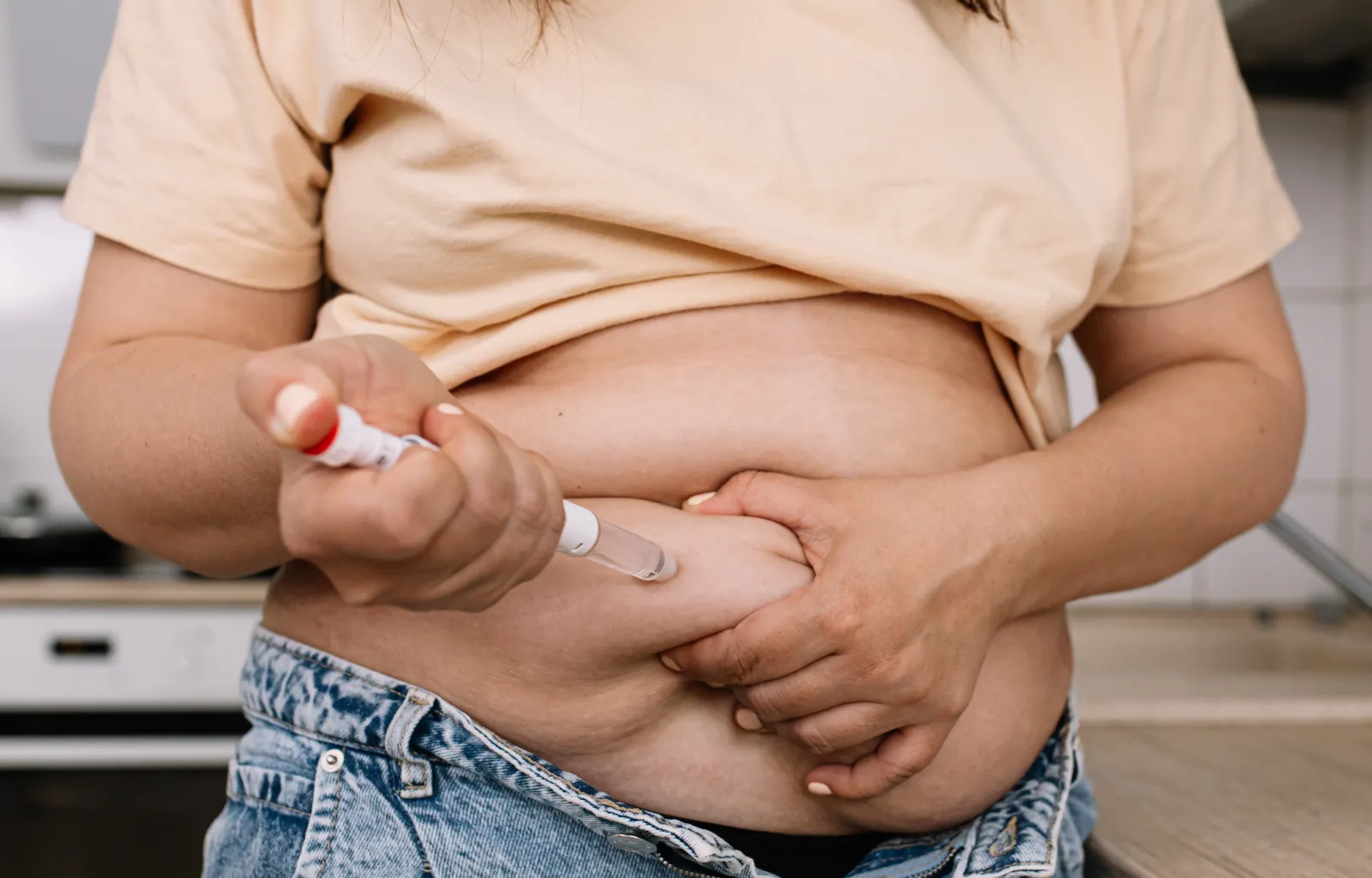
Weight loss injections have surged in popularity across the United Kingdom, helping nearly four million people shed pounds and trim inches from their waistlines. These medications, known medically as GLP-1 receptor agonists, have played a prominent role in combating the rising national obesity crisis. Recent survey data involving more than 10,000 adults reveals that women aged 50 to 64 make up the demographic most likely to use these treatments, with 20 percent reporting current or past use.
Despite their widespread appeal and effectiveness in driving down body mass, medical professionals are voicing growing concern over how these drugs interact with midlife physiology. Experts now believe that the injections may unknowingly pose greater risks for menopausal women. The intersection of hormonal changes and rapid pharmaceutical weight loss creates a complex set of health challenges that require careful clinical oversight.
How GLP-1 Injections Accelerate Muscle Loss in Midlife
A primary concern surrounding GLP-1 medications is the composition of the weight patients lose. Clinical studies indicate that a significant portion of the mass shed on these jabs consists of muscle and lean body tissue rather than pure fat. Maintaining lean body mass is vital for healthy living, strength, and mobility as people age. For women navigating the menopausal transition, this physiological shift can be particularly detrimental.
Hormonal fluctuations during menopause already accelerate the natural decline of muscle tissue and bone density. When patients combine this natural vulnerability with the steep weight reduction induced by appetite-suppressing drugs, the risk of depletion multiplies. Practitioners emphasise that struggling to maintain proper nutrition, experiencing significant muscle loss, showing signs of osteoporosis, or losing weight rapidly without effort should serve as red flags that require pausing the injections.
The Double Whammy Risk of Osteoporosis for Women Over 50
Bone health represents another critical area of vulnerability for midlife women using these pharmaceutical treatments. Osteoporosis currently affects more than 3.5 million people in the United Kingdom, with nearly two-thirds of those cases occurring in women. The condition weakens bones to such an extent that a simple cough or sneeze can trigger a fracture. Medical data attributes half of all female fractures and one in five male fractures in individuals over the age of 50 to this debilitating disease, most frequently impacting the spine and hips.
Untreated osteoporosis and subsequent hip fractures claim the lives of an estimated 2,500 Britons every year, a mortality rate that public health campaigners describe as largely preventable. Dr Jack Mosley, speaking on a podcast episode hosted by Dr Louise Newton, highlighted these exact fears. He warned that the drugs could potentially exacerbate conditions like osteoporosis in menopausal women who fail to secure adequate nutrition. Because declining levels of oestrogen, testosterone, and progesterone alter body composition during this life stage, medical professionals argue that patients must approach these treatments with heightened knowledge and caution.
Recognising Common and Severe Side Effects of GLP-1 Drugs
Beyond midlife specific vulnerabilities, weight loss jabs carry a range of well documented adverse reactions. Common side effects include persistent nausea, vomiting, diarrhoea, constipation, stomach pain, reduced appetite, and indigestion. While many of these symptoms subside as the body adjusts to the medication, other rare complications pose severe threats to patient safety. Medical literature links GLP-1 use to pancreatitis, kidney problems, potential thyroid risks based on animal studies, vision disturbances from rapid blood sugar shifts, and dangerous drops in blood sugar.
Patients with a personal history of pancreatitis, gastroparesis, bowel obstruction, or gallbladder disease must consult their prescribers before starting treatment. Acute pancreatitis can escalate into severe complications. Susan McGowan, a 58 year old patient, tragically passed away in 2024 after administering two low dose injections of Mounjaro. She suffered from acute pancreatitis, multiple organ failure, and septic shock, marking the first official UK death linked to the medication, though menopause was not cited as a contributing factor in her case.
Why Weight Loss Jabs Interfere With Oral Medications Like HRT and the Pill
Early research indicates that weight loss injections can disrupt the efficacy of various other pharmaceutical drugs. British health authorities issued warnings noting that Mounjaro could reduce the reliability of the contraceptive pill. Experts now caution that women taking specific menopause treatments, such as hormone replacement therapy, must also remain vigilant. Scientists attribute this interference to the core mechanism by which GLP-1 receptor agonists operate within the human body.
These drugs mimic natural hormones that signal fullness, which dulls the appetite and slows down the digestive process so food moves sluggishly through the gastrointestinal tract. When oral medications like birth control pills or hormone tablets mix with the contents of a delayed stomach, their absorption gets held up. This delay undermines the strict timing required for drugs that rely on rapid or precise absorption into the bloodstream.
Practical Guidance for Menopausal Women Considering GLP-1 Treatments
Medical specialists recommend alternative delivery methods for women who require hormone therapy while using GLP-1 medications. Dr Crystal Wyllie, a general practitioner at Asda Online Doctor, advises that physicians may suggest switching to non oral forms of hormone replacement therapy, such as patches, topical gels, or nasal sprays. If the prescribed hormone regimen includes progestogen, patients should similarly seek non oral alternatives like a combined patch or a hormonal coil such as the Mirena device.
The British Menopause Society reinforces these clinical recommendations, advising women who use GLP-1 treatments for diabetes management or obesity reduction to adopt transdermal oestrogen rather than swallowing traditional pills. Anyone navigating perimenopause or menopause who is considering weight loss injections should undergo a comprehensive health evaluation to weigh the benefits against the hidden muscular and metabolic risks.