Discovering the Best UK Beaches Featured in Europe's Top 100 List
Travel publication Lonely Planet has released its compilation of the top 100 beaches across Europe, highlighting several remarkable coastal gems located within the United Kingdom. While international destinations such as Playa de Famara in Lanzarote and Spiaggia di Cefalù in Sicily secured places on the prestigious roster, seven distinct locations across England, Scotland, and Wales also earned recognition. These spots range from secluded Welsh bays with dramatic rock formations to vast expanses of sand in Norfolk with deep ties to the British royal family.
This selection offers travellers a diverse array of options for upcoming staycations and coastal day trips. Examining these locations provides insight into the varied geography of the British coastline, highlighting areas known for rare wildlife, striking geological features, and historical significance.
Three Cliffs Bay and Barafundle Bay in Wales
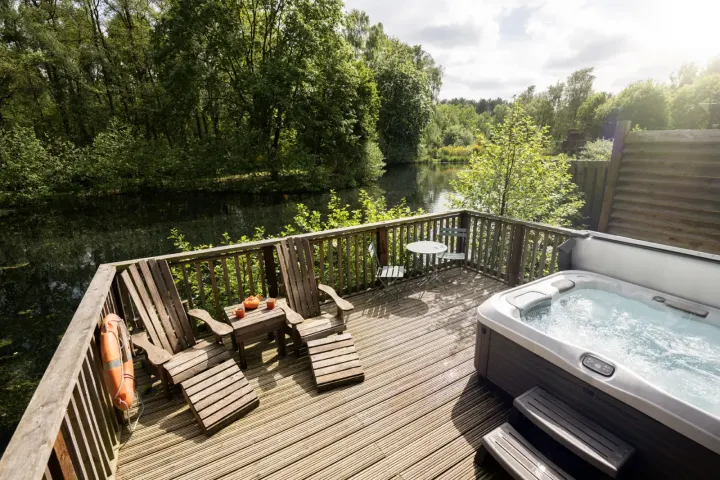
Wales secured multiple entries on the European list, beginning with Three Cliffs Bay. This location derives its name from the trio of pointed limestone cliffs that jut out from the shoreline. Visitors exploring the area can observe Pennard Pill, a wide river that snakes through salt marshes and sand dunes. The beach is also overlooked by the 12th century ruins of Pennard Castle, which serves as a popular vantage point for walkers. Swimming is discouraged due to frequent strong rip currents, but those wishing to extend their stay can use the Three Cliffs Bay holiday park overlooking the beach, which offers camping and glamping facilities.
Further west in Pembrokeshire lies Barafundle Bay, which requires visitors to walk half a mile over cliffs and through dunes from Stackpole Quay. Because of its secluded position, the beach remains largely untouched by commercial development. This isolation has led many travellers to compare its aesthetic to a tropical coastline. One recent visitor noted that the fine sand and clear conditions make it feel worlds away, while another remarked that the texture of the sand resembles a Caribbean shore.
Kynance Cove and Holkham Beach in England
Representing England, Kynance Cove in Cornwall was previously named the 26th best beach in Europe according to the Europe's Best Beaches 2026 awards, and it has once again secured a spot among the continent's elite. Situated on the South West Coast Path within one of the warmest stretches of coastline in the UK, the beach features soft white sand and turquoise waters. Visitors must time their arrivals carefully, as high tide nearly submerges the sand, while low tide reveals numerous hidden coves. The location gained additional attention after appearing in a recent series of House of the Dragon, and visitors frequently head to Lizard Village nearby to purchase traditional fish and chips from local cafes.
In North Norfolk, Holkham National Nature Reserve and Beach is recognised as one of the largest unspoiled shorelines in England. The expansive beach features rolling sand dunes backed by Corsican pine woods. At low tide, the sea retreats nearly a mile, creating optimal conditions for extensive walks. The site is located a half-hour drive from Sandringham, the private Norfolk country estate of the royal family. Members of the monarchy have frequented the area for generations, with the late Queen Elizabeth II regularly riding horses along the sand. Young King Charles and Princess Anne played on the shore during their childhood, and Prince William and Catherine, Princess of Wales, who reside nearby at Anmer Hall, have visited with their children on multiple occasions.
West Beach, Calgary Bay, and Sandwood Bay in Scotland
Scotland contributed three entries to the European compilation, starting with West Beach on Berneray in the Outer Hebrides. Stretching for three miles, the beach features white shell sand and provides views across to the uninhabited islands of the Sound of Harris. Wildlife enthusiasts frequently visit the area to spot corncrakes, which are small birds slightly larger than a blackbird. During the summer months, the grassy areas behind the shoreline bloom with wildflowers, including rare orchids.
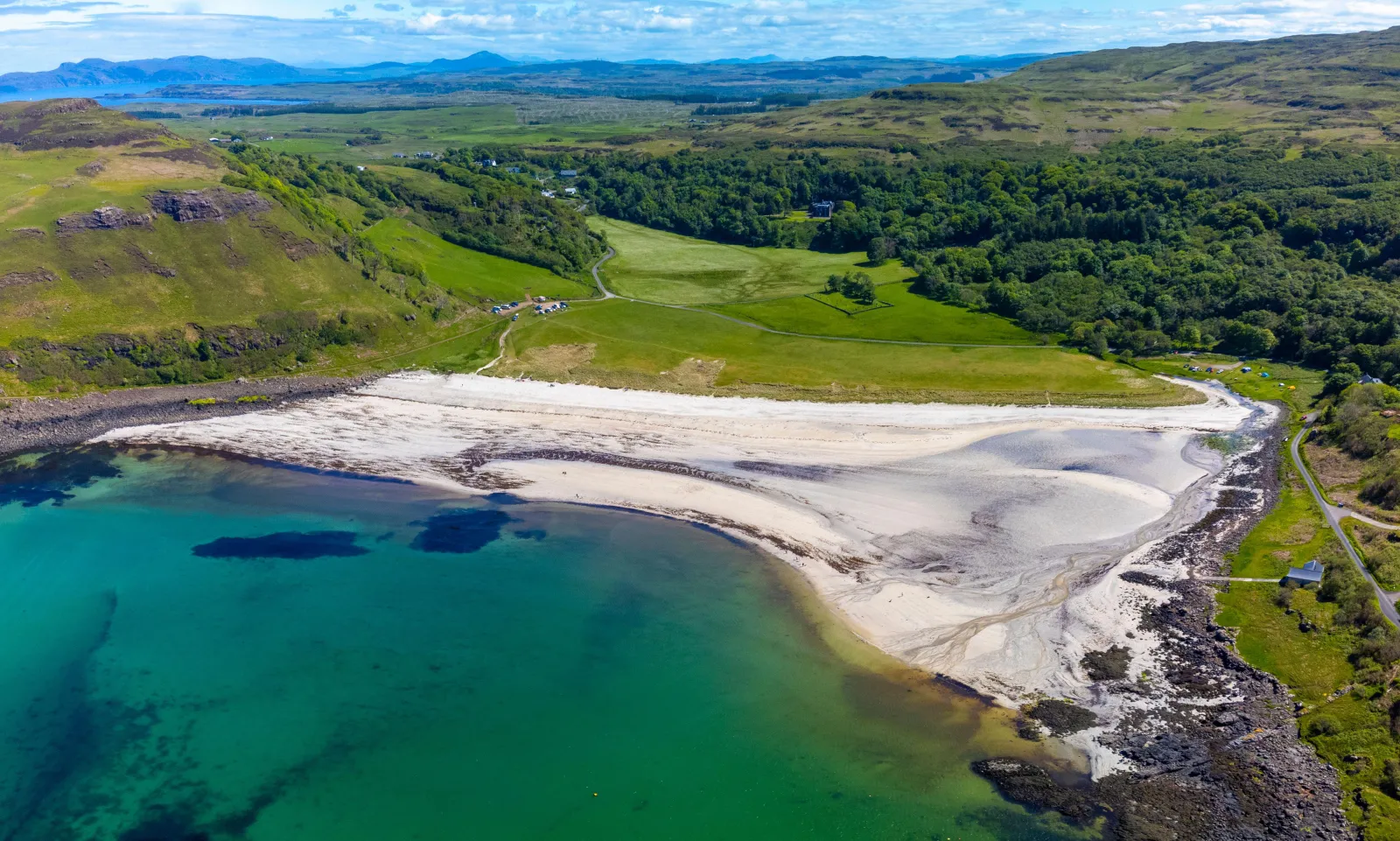
The second Scottish location is Calgary Bay on the Isle of Mull, characterised by shallow clear water and a name inspired by the Canadian city of Calgary. The soft white sand is backed by the Art in Nature woodland area, which features a trail of sculptures, carvings, and art installations. Visitors can also patronise the Cathouse Gallery and Tearoom situated on the hill above the beach, or purchase local ice cream from Robin's Boat, an upturned vessel converted into a shop.
The final Scottish entry is Sandwood Bay in the Scottish Highlands, widely regarded as one of the remotest mainland beaches in the UK. Reaching this secluded spot requires a four-mile hike across open moorland. Upon arrival, visitors encounter golden-pink sand, extensive dunes, and a freshwater loch backing the shoreline. A defining landmark of the bay is Am Buachaille, translating to The Shepherd, which is a striking 65-metre rock standing just off the coast.
Context and Background on Europe's Best Beaches
The compilation published by Lonely Planet evaluates coastal destinations across the continent based on environmental quality, natural beauty, accessibility, and unique local features. Compilations of this nature draw attention to lesser-known regional spots alongside internationally famous stretches of sand. For the United Kingdom, inclusion on such lists often brings increased domestic tourism interest, encouraging travellers to explore coastal regions outside peak urban centres.
The selected UK sites highlight the geological diversity found across the British Isles, encompassing the limestone formations of Wales, the granite coves of Cornwall, the expansive tidal flats of East Anglia, and the remote machair and sea stacks of the Scottish islands and highlands. Conservation efforts play a significant role in maintaining the pristine condition of these environments, particularly in areas designated as national nature reserves or protected heritage zones.
Practical Considerations for Visiting UK Coastal Destinations
Travellers planning excursions to these recognised beaches must account for local environmental conditions and access limitations. Several locations on the list, such as Sandwood Bay and Barafundle Bay, require physical exertion through walking across rugged terrain, making them less accessible for individuals with mobility challenges. Tidal variations also dictate the feasibility of visits, particularly at Kynance Cove, where high tides restrict movement between coves.
Environmental preservation remains a priority for local authorities and conservation trusts managing these sites. Visitors are generally encouraged to adhere to leave-no-trace principles, respect local wildlife habitats such as nesting areas for ground birds, and use designated car parks and pathways to prevent erosion of delicate dune systems and cliff edges.