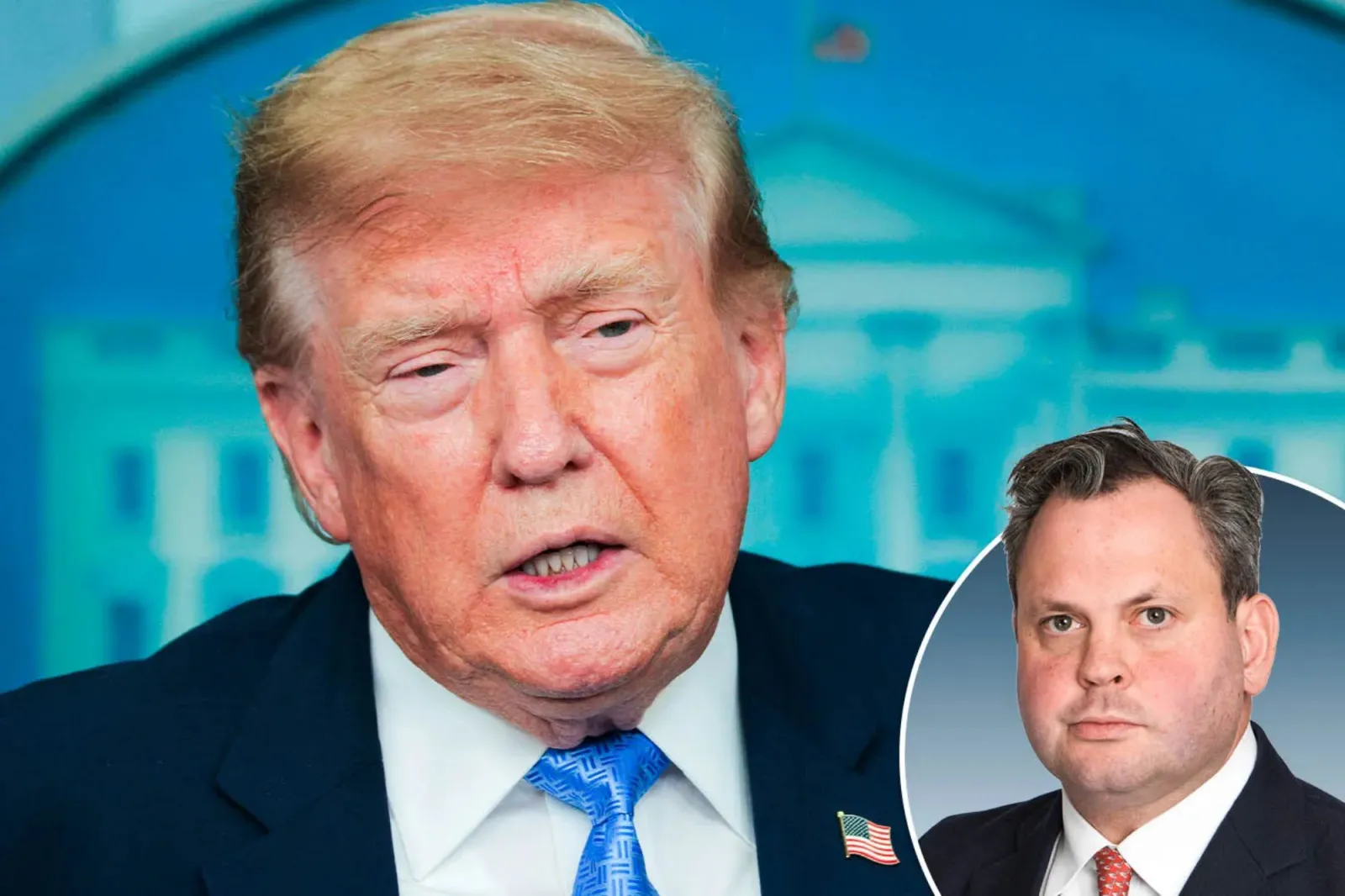
Pollsters and prediction markets accurately forecasted a major shift as the United States turned toward Democratic blue in a stunning midterm election result. The outcome brought an abrupt end to Donald Trump and the Republican administration plans, creating shockwaves across Washington DC. Political analysts are now assessing the damage and looking ahead to the future of both major political parties.
Donald Trump has begun claiming that elections were stolen while dealing with the worst midterm performance for the Republican party since the 1970s. Despite taking the initial blow personally, the president joins a historical line of second-term leaders who faced severe voter backlash during their sixth year in power, a group that includes Ronald Reagan, George W Bush, and Barack Obama.
The Immediate Political Fallout in Washington
The political landscape in the nation capital has transformed overnight as newly elected Democratic lawmakers arrive to take power in Congress. Washington is already experiencing massive upheaval, highlighted by the departure of the White House Chief of Staff. Lawmakers are preparing for intense battles over governance and investigations, creating an atmosphere of confrontation.
Impeachment battles are reportedly beginning, with Secretary of War Pete Hegseth mentioned as an initial target for the incoming majority. Few observers believe that the newly empowered Democrats in Congress will be able to resist launching investigations and targeted actions against the sitting president. The dynamic in Washington has shifted decisively toward gridlock and oversight.
Economic Shocks and Tech Sector Reactions
Beyond traditional partisan battles, the election results triggered immediate economic turbulence, particularly within the technology sector. Artificial intelligence stocks experienced a notable tumble following the success of various political candidates. Politicians who campaigned on anti-data centre platforms, ranging from Texas to Ohio, won their races and are now heading to the Capitol.
These local victories reflect growing community resistance to large technological infrastructure projects, such as power-hungry data centres. The clash between tech industry growth and local environmental concerns has now found a prominent voice in Congress. Powerbrokers in Washington must navigate this rising sentiment as part of the broader national debate.
Internal Divisions and Blame Within the GOP
Public displays of disloyalty emerged almost immediately within the upper ranks of the Republican party. Vice President JD Vance avoided waiting to start the internal blame game, pointing fingers at foreign conflicts involving Iran and Israel for the midterm massacre. This public disagreement signaled deep fractures within the executive branch regarding strategy and policy.
By shifting blame externally, the Vice President effectively opened the starting gun for the 2028 presidential race. Potential contenders are already positioning themselves for the next contest, fracturing party unity when discipline is most needed. The struggle for the ideological soul of the Republican party has intensified behind closed doors.
The Early Contenders for the 2028 White House Race
Speculation regarding the next presidential election cycle is already dominating political circles in Washington. Figures such as JD Vance, Ron DeSantis, and Ted Cruz are widely viewed as likely candidates for the upcoming Republican nomination. Each represents a different faction of the conservative movement as it grapples with the midterm defeat.
Meanwhile, questions remain surrounding Marco Rubio and his political ambitions. GOP strategist Chris Johnson suggests that Rubio might sit out the next contest to focus on his current responsibilities. The darkhorse dynamics of the primary race continue to draw heavy analysis from political strategists.
The Democratic Bench and Future Strategy
On the opposing side, the Democratic bench appears remarkably deep following the electoral sweep. Moderate voices, such as Georgian Senator Jon Ossoff, are gaining momentum and pushing the party toward a more centrist approach. Democratic strategist Al Mottur notes that the newly elected Congress is significantly more centrist than its predecessor.
At the same time, progressive and socialist factions maintain that they can secure victories in unexpected purple regions of the country. Figures like New York firebrand Alexandria Ocasio-Cortez are carefully planning their next political moves. Observers, including former campaigners like Laura Bigger, continue to debate the long-term viability of the progressive wing versus a return to blue-collar moderation.
What Comes Next for American Politics
The conclusion of the midterm cycle does not signal a period of political rest for the United States. Instead, the race for the White House in 2028 has officially begun on the heels of the recent ballot results. Both parties must resolve internal ideological conflicts while managing a divided government in Washington.
Citizens and businesses should expect continuous legislative battles and heightened scrutiny of executive actions over the coming months. The ability of congressional leaders to compromise will determine whether the federal government can function effectively. The broader question remains whether these elections represent a temporary correction or a permanent shift in American politics.