DRAP Issues Safety Alert Over Counterfeit Hexaxim Vaccine for Children
The Drug Regulatory Authority of Pakistan (DRAP) has issued an alert over a falsified version of the Hexaxim vaccine, which is used to protect infants and young children against six infectious diseases. This regulatory warning highlights serious public health concerns regarding the circulation of unauthorized medical products within the local supply chain, prompting immediate nationwide scrutiny from health officials.
According to DRAP, Hoechst Pakistan Limited, the local distributor of Sanofi, reported that Hexaxim vaccine bearing batch number X3H421VA was being presented in vial form, which is neither registered nor authorized for import into Pakistan. The discovery of this specific batch has triggered rapid enforcement actions across provincial jurisdictions to intercept the counterfeit doses before they reach vulnerable patients.
Understanding the Hexaxim Vaccine and Its Purpose
The vaccine protects children against six diseases, including diphtheria, tetanus, whooping cough, hepatitis B, polio, and infections caused by Haemophilus influenzae type b (Hib). As a combination immunization, it forms a cornerstone of pediatric preventive care by reducing the number of separate injections required during early childhood.
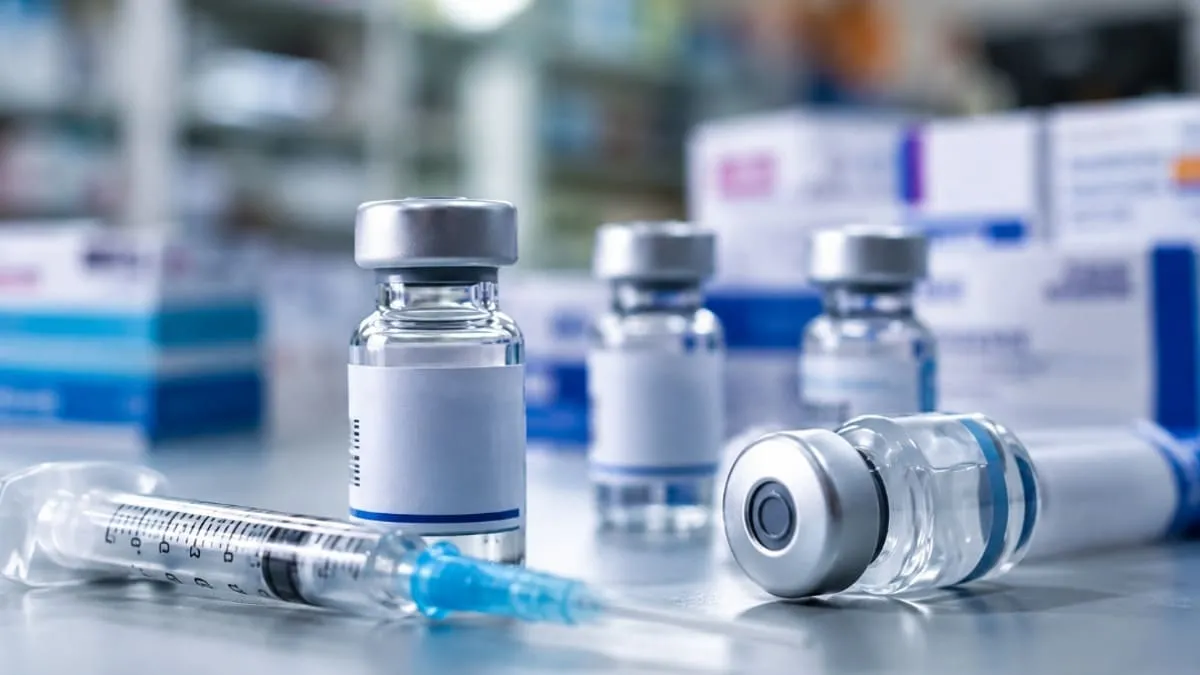
The company clarified that Hexaxim is registered in Pakistan only in pre-filled syringe form. The appearance of the product in a vial format serves as a primary indicator of its falsified nature, signaling to medical professionals and caregivers that the item deviates from approved regulatory specifications.
Health Risks Posed by Falsified Immunizations
DRAP warned that using the falsified vaccine could pose serious health risks, including failure to provide the intended protection and adverse reactions. When infants receive an unverified or substandard formulation, they remain vulnerable to dangerous pathogens that can cause severe illness, long-term disability, or death.
Beyond the lack of immunological protection, unregulated substances introduced directly into the bloodstream of infants can trigger unpredictable toxic responses, severe allergic reactions, or infections due to unsterile manufacturing conditions. Public health authorities treat such incidents with extreme urgency to prevent outbreaks of vaccine-preventable diseases and protect community health standards.
Regulatory Actions and Supply Chain Monitoring
Following the alert, the authority directed its Regulatory Field Force and provincial drug control departments to monitor the supply chain and confiscate the identified product wherever found. Inspectors are visiting distribution hubs, wholesale markets, and medical facilities to trace the origin of the counterfeit batch and remove all remaining units.
These specialized inspection units hold the legal authority to seize suspicious drugs, collect samples for laboratory testing, and penalize entities found distributing unregistered medical goods. Collaboration between federal regulators and provincial health departments ensures a coordinated response to pharmaceutical fraud.
Guidance for Parents, Caregivers, and Healthcare Providers
Parents and healthcare providers have been advised not to purchase or use the affected vaccine. Anyone who has received it and experienced health problems should immediately consult a doctor and report the incident to DRAP or the National Pharmacovigilance Centre.
Medical practitioners must remain vigilant when checking inventory, verifying packaging details against official distributor guidelines, and reporting any discrepancies. Early reporting allows pharmacovigilance teams to track adverse events and map the distribution footprint of illegal medical products.
Safe Purchasing Practices for Medicines and Vaccines
DRAP also urged the public to purchase vaccines and medicines only from licensed pharmacies and authorized outlets and to consult healthcare professionals if they have concerns about a product's authenticity. Consumer awareness plays a vital role in curbing the illegal trade of counterfeit pharmaceuticals.
- Verify that vaccines match the approved packaging format, such as the pre-filled syringe requirement for Hexaxim.
- Check batch numbers against official safety announcements issued by regulatory bodies.
- Obtain purchase receipts from registered medical sellers to trace product history if needed.
- Consult certified pediatricians or pharmacists before accepting any immunization product.
Health agencies continue to monitor the situation closely, promising further updates as the field investigation progresses and more details emerge regarding the source of the unauthorized batch.





