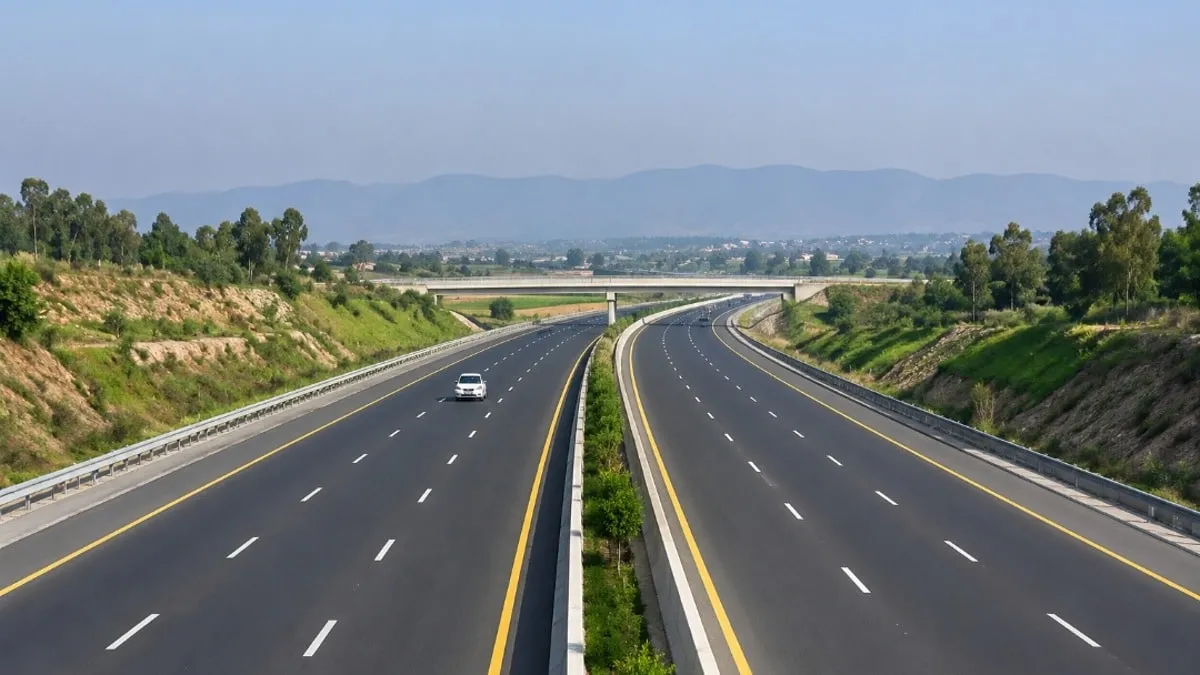
Lahore Sahiwal Bahawalnagar Motorway Project Overview
Federal Minister Ahsan Iqbal has highlighted plans for the Lahore–Sahiwal–Bahawalnagar Motorway, saying modern transport links can bring communities closer to markets and essential services. The infrastructure initiative is designed to address longstanding mobility challenges in the region by establishing a high-speed corridor through key districts.
The project includes a 295-kilometer motorway and an additional 18-kilometre road connecting Lahore Ring Road to Kasur through Raja Jang Interchange. This dual component approach aims to capture local traffic while facilitating long-distance transit across the provincial landscape.
Iqbal said the road links could strengthen connectivity between Punjab's key population centers and agricultural areas. He highlighted their potential to improve regional access, facilitate passenger travel and support goods transport between communities and markets.
Modern transport links can bring communities, markets and essential services closer together.
The project for the Lahore–Sahiwal–Bahawalnagar Motorway comprises a 295 km motorway, together with an 18 km road connecting Lahore Ring Road through Raja Jang Interchange to Kasur. Its… pic.twitter.com/WHY8iLft8a
— Ahsan Iqbal (@betterpakistan) November 15, 2026
Transportation experts note that infrastructure of this scale typically alters the economic geography of surrounding districts. By reducing travel times between dense urban hubs and rural production zones, the corridor seeks to streamline supply chains for perishable agricultural goods.
The integration of regional towns into a unified transport network allows smaller producers to reach larger consumer bases without facing severe transit delays. Local authorities anticipate that smoother logistics will encourage commercial investments along the designated route.
Connectivity Under URAAN Pakistan Framework
Ahsan Iqbal linked the project to the Energy & Infrastructure pillar of URAAN Pakistan, the government's economic transformation framework. This strategic alignment places the road network at the center of broader public policy goals aimed at modernizing national infrastructure.
He highlighted the role of modern transport networks in supporting balanced regional development and stronger economic integration. The motorway project falls under the Public Sector Development Program (PSDP), ensuring it receives structured state oversight and budgetary tracking.
The URAAN Pakistan framework serves as a guiding strategy for state investments, prioritizing sectors that generate long-term productivity gains. Infrastructure spending under this umbrella undergoes regular reviews to ensure alignment with fiscal targets and regional development needs.
By routing investments through the Public Sector Development Program, the government intends to maintain accountability and transparent progress tracking. Officials emphasize that such large-scale works form the backbone of national competitiveness by lowering logistics costs for domestic industries.
Original Approval and Rising Costs of the Motorway
The motorway received approval in 2023, with a groundbreaking ceremony held in Kasur. Its original approved cost stood at Rs. 263,795.863 million, or approximately Rs. 263.8 billion.
An October 2026 report citing project documents put the revised estimate at Rs. 406.914 billion, attributing the increase to higher construction prices. The report said the revised cost remained subject to approval by the relevant authorities.
Escalating material expenses and inflation have put pressure on public sector budgets across many large civil engineering works. Project planners must now navigate these financial adjustments while keeping the construction schedule on track.
Meanwhile, the project has drawn debate over federal funding priorities, particularly the allocation of federal development funds to a route within Punjab. Critics and policymakers frequently discuss how public resources should be balanced between provincial infrastructure needs and national fiscal constraints.
What the Lahore Sahiwal Bahawalnagar Motorway Means for Regional Growth
The corridor is expected to serve as a vital economic artery for millions of residents living adjacent to the route. Faster commutes and reliable freight movement directly benefit small business owners, farmers, and daily commuters.
Industrial units located outside major metropolitan centers will gain direct access to provincial and national trade routes. This connectivity reduces vehicle wear and fuel consumption, translating into lower operational expenses for commercial transporters.
Agricultural yields from Punjab fields will reach processing units and urban markets with minimal spoilage. Such improvements are critical for maintaining the competitiveness of domestic agricultural products in regional and international markets.
Community access to healthcare, education, and administrative services also improves when travel times drop significantly. Regional integration bridges the gap between remote settlements and major urban amenities, supporting equitable social development.
Next Steps and Financial Oversight for the Corridor
As the project progresses through its planned phases, monitoring bodies will evaluate cost adjustments and construction milestones. The formal approval process for the revised financial estimate remains a central focus for fiscal oversight agencies.
Stakeholders will watch for further updates regarding contractor agreements, land acquisition updates, and completion timelines. Public accountability mechanisms ensure that taxpayer funds are used efficiently as construction activities advance along the designated segments.
Coordination between federal ministries and provincial departments will dictate the pace of subsequent development phases. Maintaining transparent communication regarding expenditures and timelines helps address public debates surrounding funding allocations.





