Struggling British households face a massive £1,050 drop in income over the next three years, according to new analysis of the Budget. Data published by the Resolution Foundation highlights a sharp decline in living standards as citizens battle the ongoing cost of living crisis.
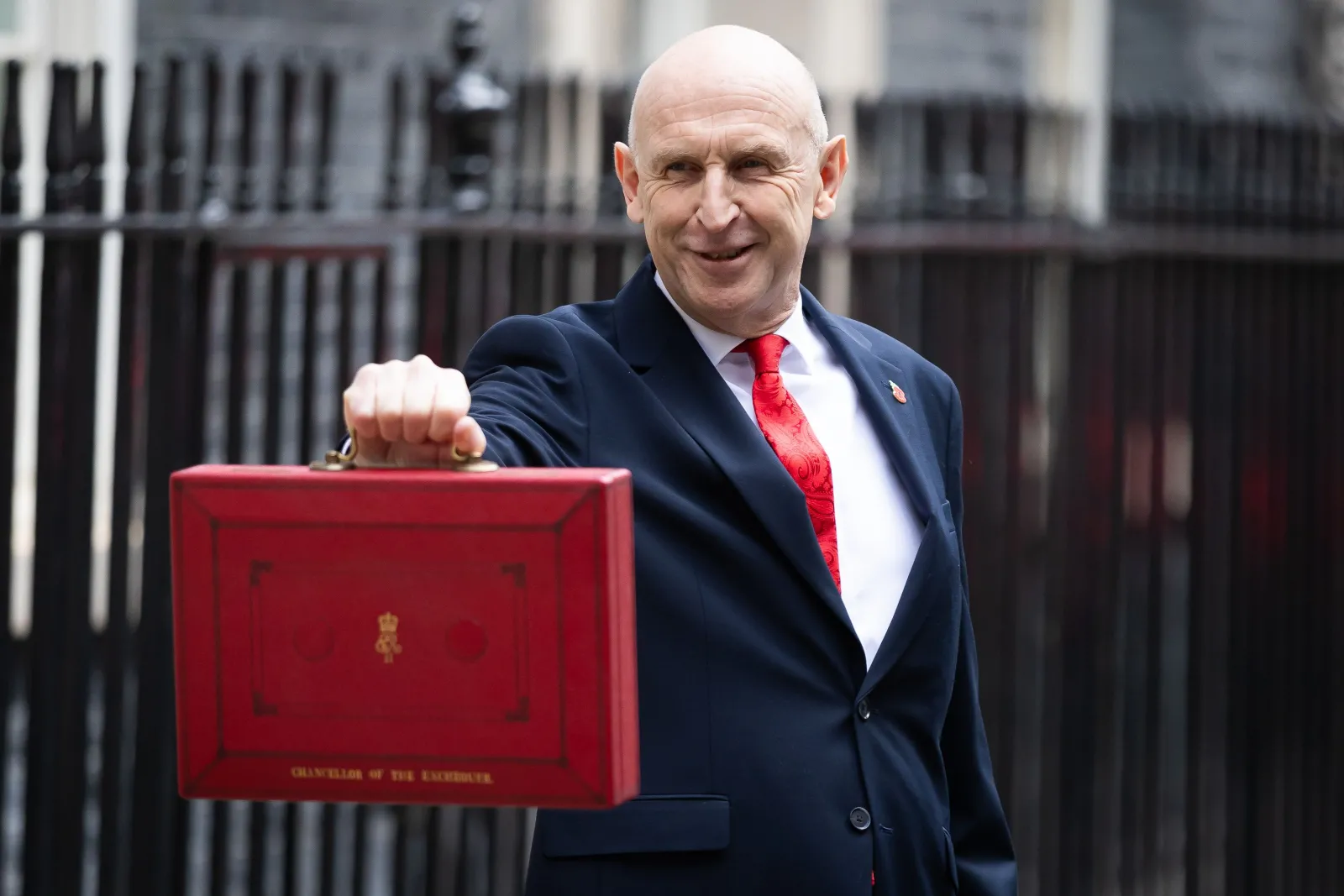
This news arrives just after Chancellor John Healey stated yesterday that his initial financial plan focused on the working people of the nation. The financial blow to households accompanies new tax hikes targeting banks, internet retailers, and gambling companies.
Calculations indicate that average incomes will drop by three per cent between now and the planned conclusion of this Parliament in 2028 and 2029. Simultaneously, welfare spending is projected to climb to £430 billion by the beginning of the next decade.
Ruth Curtice, Chief Executive of the Resolution Foundation, stated: "Faced with a tough backdrop amid global economic turmoil, the Chancellor delivered a scattergun Budget that did little to address the sharp challenges facing Britain."
She added: "Cost of living support is being spread far too thinly and will leave even those families receiving help facing higher energy bills than they did during the last energy price shock."
Curtice continued: "Stepping back, this Parliament is increasingly looking like one of two halves, which yesterday's Budget did little to address."
She noted: "The first half has been marked by rising living standards, solid economic growth and extra funding for public services, funded by huge tax rises, none of which was enough to prevent dramatic half-time substitutions in Downing Street."
She concluded: "The new occupants will hope for better political fortune in the second half, but it could prove tough going against a projected £1,000 fall in disposable incomes. A more dramatic change of tactics may be needed, and we did not learn how the Government will choose between public service ambitions and household incomes. Next year the choices will unavoidably get starker."