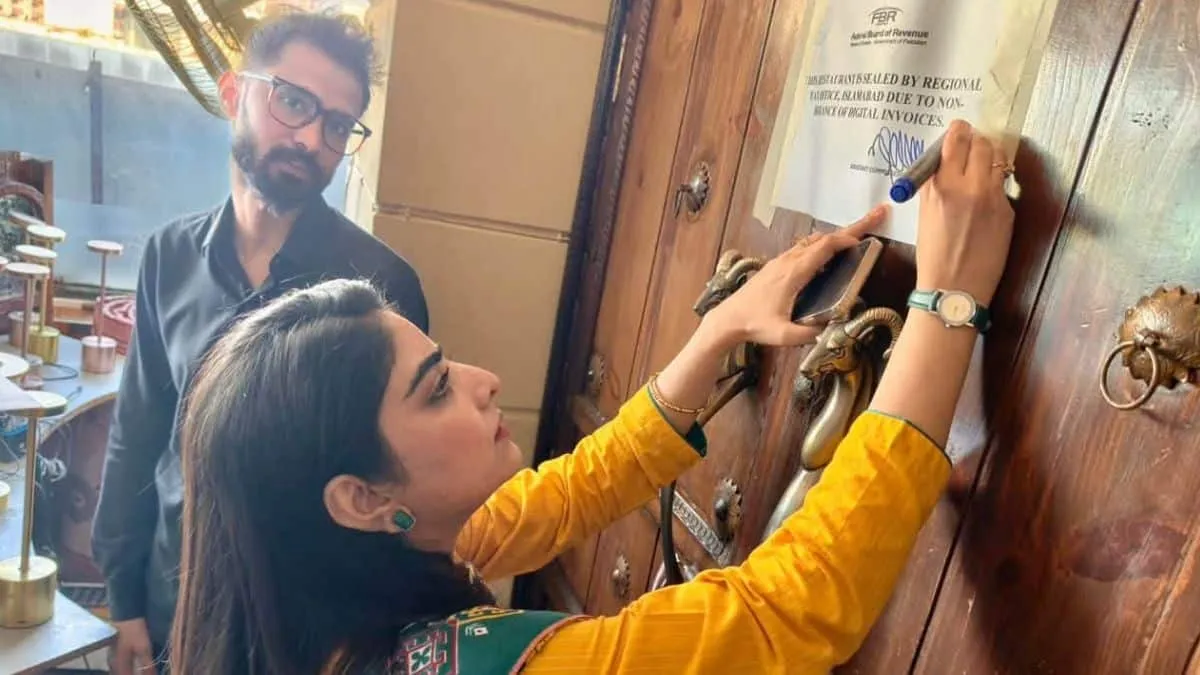
Federal Board of Revenue Seals Wakha Restaurant in Islamabad
The Federal Board of Revenue has sealed Wakha restaurant in Islamabad's F-7 Markaz, citing violations of its Point of Sale regulations. The enforcement action against the famous Afghani and Shinwari cuisine establishment highlights ongoing efforts by tax authorities to crack down on non-compliant businesses operating within the capital city.
According to FBR's Regional Tax Office Islamabad, an Inland Revenue enforcement team carried out the action. The team acted on instructions from the Chief Commissioner Inland Revenue and the Commissioner Inland Revenue, ICTO Zone.
Understanding Point of Sale Regulations in Pakistan
Point of Sale systems are computerized networks used by businesses to record transactions and track sales in real time. The tax administration mandates that Tier-1 retailers integrate their billing systems with the central FBR database to ensure every transaction is reported accurately. This integration prevents underreporting of sales and helps the government collect the correct amount of general sales tax from consumers.
When restaurants and major retail outlets fail to install or properly operate these integrated systems, tax authorities possess the legal authority to seal the premises. This administrative penalty halts business operations until the owners settle compliance issues and clear any outstanding penalties or documentation requirements with the tax office.
Action Part of POS Enforcement Campaign
The action forms part of FBR's ongoing campaign against Tier-1 retailers that fail to comply with POS requirements. Tax officials have intensified inspections across major commercial districts to catch establishments operating outside the documented economy.
The authority said the campaign aims to improve transparency, ensure businesses accurately document their sales and enforce compliance with tax laws. By targeting prominent dining spots like Wakha restaurant, the administration seeks to send a clear signal to other commercial enterprises that tax rules apply universally.
FBR Says Enforcement Will Continue
RTO Islamabad said it would continue taking action against businesses that violate POS regulations. It added that officials would enforce the rules without discrimination, targeting any commercial entity found evading tax integration requirements.
The office said these efforts aim to encourage businesses to meet their tax obligations voluntarily and protect national tax revenue. Authorities maintain that documenting the retail and restaurant sector remains crucial for expanding the national tax base and reducing budget deficits.
Economic Impact on the Restaurant Sector
The hospitality and restaurant sector in commercial hubs like F-7 Markaz plays a major role in local economic activity. Strict enforcement measures affect daily business operations, customer flow, and staff employment while compelling owners to prioritize administrative compliance.
Restaurant owners across Islamabad face increasing pressure to modernize their accounting infrastructure and train staff on integrated billing software. Compliance failures no longer result in mere warnings, as tax administrators now use spot checks and immediate facility closures to enforce fiscal discipline.
What Comes Next for Non-Compliant Businesses
Establishments facing administrative closures must clear their legal hurdles by paying mandated dues and proving integration with the central system before reopening. Regional tax offices continue to monitor commercial zones for repeat offenses and unregistered outlets.
Consumers visiting popular food spots in Islamabad can expect to see FBR invoice verification logos and digital tax receipts as proof of compliance. Observers should watch for further announcements from tax authorities regarding expanded sweeps of retail markets and dining districts.