Why the 14th South Asian Games in Pakistan Were Delayed Again
The 14th South Asian Games, set to begin in Pakistan on April 3 next year, have been postponed for the sixth time, with the regional multi-sport event now likely to be held in November 2027, sources familiar with the matter said. The decision to delay the Games was taken for unspecified reasons, according to informed sources. This latest setback extends a long series of interruptions for a competition that was originally expected to showcase regional athletic talent across multiple host cities in Pakistan.
Pakistan was originally awarded hosting rights in 2021, but the Games have repeatedly slipped because of administrative delays, funding problems, the impact of COVID-19 and clashes with the regional sporting calendar. The accumulation of these challenges has severely disrupted planning for sports federations, athletes, and municipal authorities who spent years trying to establish a workable timeline for the massive regional gathering.
History of Hosting Rights and Years of Delays
Securing the hosting rights for a major international sporting event brings significant logistical responsibilities, and the path for Pakistan has proven exceptionally difficult. Since the initial award in 2021, successive planning committees have struggled to maintain a steady course. Administrative bottlenecks within sports bodies, combined with broader economic hurdles and the global disruption of the COVID-19 pandemic, created immediate obstacles that derailed early preparation schedules.
Furthermore, fitting a multi-sport event of this magnitude into the crowded international and regional sporting calendar requires careful coordination with other continental and global competitions. Clashes with overlapping tournaments forced planners to continuously recalibrate dates. Each adjustment triggered a cascading series of timetable revisions, alienating participating nations that rely on fixed cycles to train their elite athletes for peak performance.
Venues, Sports Disciplines, and Athlete Participation
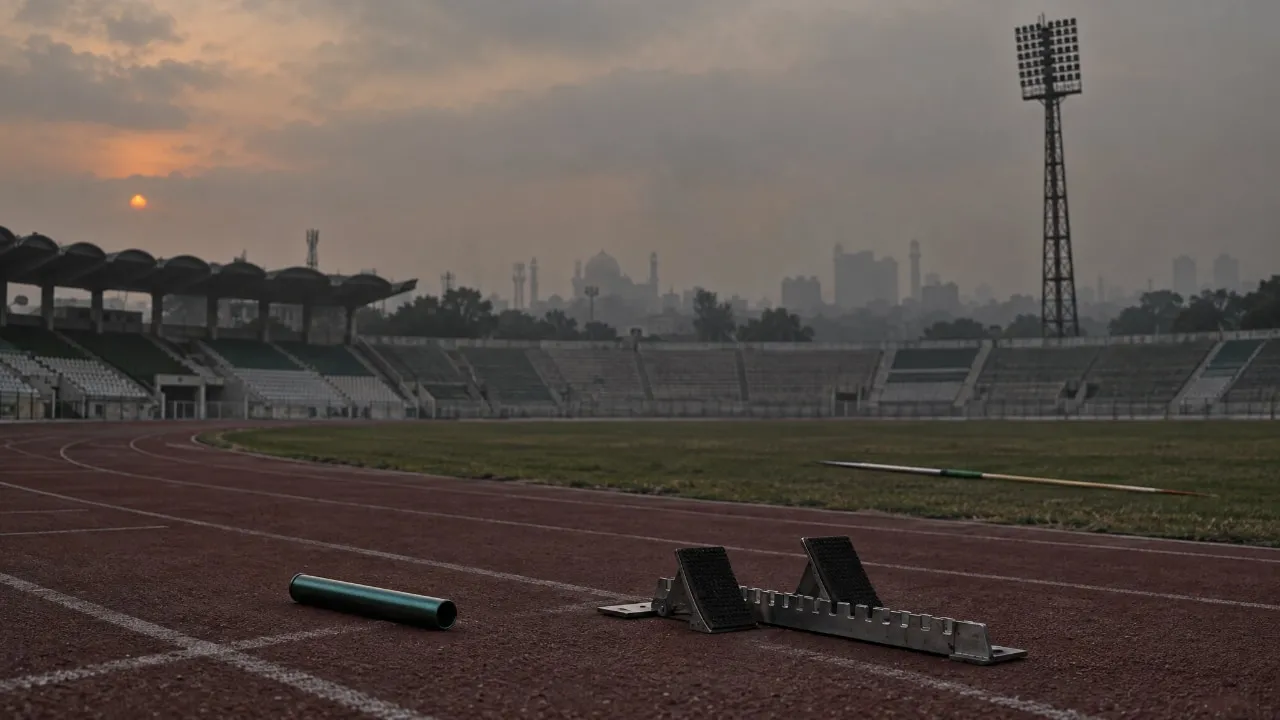
The Games were scheduled to take place in Islamabad, Lahore and Peshawar, featuring 28 men's and 25 women's sports disciplines, with 346 gold medals on offer. More than 4,200 athletes and officials from South Asian member countries were expected to participate. This extensive lineup encompasses a wide variety of track, field, water, and team sports designed to test the limits of competitors from across the region.
Hosting such a broad spectrum of disciplines demands sophisticated infrastructure, including modern stadiums, secure accommodation villages, training pitches, and advanced medical facilities. Islamabad, Lahore and Peshawar were chosen to distribute these events across suitable regional hubs, using existing facilities while planning necessary upgrades to meet international standards for competition and safety.
Assessing Pakistan Olympic Association Readiness and Government Support
Pakistan Olympic Association (POA) President Arif Saeed had previously insisted the country was fully prepared to host, saying the government was providing full support and that the required funding had been approved. The leadership maintained that financial backing was secure and that operational blueprints were finalized to welcome thousands of visitors.
The latest postponement, however, raises fresh questions about Pakistan's ability to stage the event after years of setbacks. Observers and sports analysts point out that repeated delays undermine confidence among regional Olympic committees and international sports federations. While local administrators express readiness, the recurring pushbacks highlight deeper structural and logistical complications that transcend simple funding approvals.
The Smog Factor and Winter Weather Challenges
A well-placed source said a full effort will be made to hold the Games at the end of next year, but warned that if that proves impossible, the event will shift to 2028. The postponement of the Asian Indoor and Martial Games compounded the problem, the source added, since both events fell on the same timeline.
Environmental conditions also played a critical role in the rescheduling decisions. "Another issue is that in winter the Games cannot be held because of smog in Lahore. We are looking into various options and let's see how things go," the source said. Severe winter air pollution frequently blankets parts of Punjab, creating hazardous health conditions for outdoor physical exertion and forcing major disruptions to public life and athletic schedules alike.
What Lies Ahead for South Asian Regional Sports
As planners look toward a potential window in November 2027 or subsequent years, regional sports bodies must adjust their training cycles. Athletes who geared up for an April start next year must now reevaluate their multi-year preparation plans, balancing domestic commitments with international qualification events.
For Pakistan, the extended timeline provides an opportunity to thoroughly address infrastructure gaps and environmental contingencies, but it also increases the pressure to deliver a flawless event when the dates finally arrive. Observers will monitor whether future deadlines hold firm or if further schedule adjustments emerge as the regional calendar continues to evolve.