Islamabad 11th Avenue Project Seeks Environmental Approval
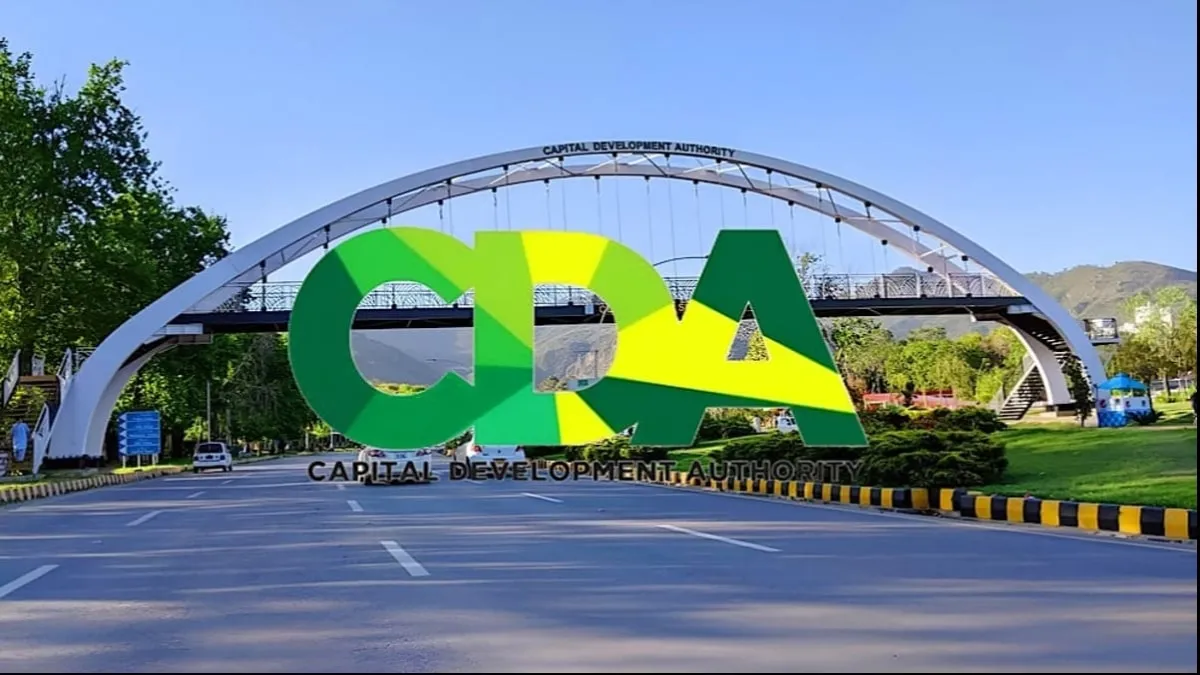
The Capital Development Authority has initiated the environmental approval process for the construction of Islamabad's 11th Avenue, a major road infrastructure project connecting Margalla Avenue with IJP Road. This transport initiative aims to transform the traffic flow across the federal capital by linking two major arterial routes. City planners have spent years evaluating the congestion levels along the western sectors of Islamabad, making this corridor a central priority for municipal authorities. As urban density increases, the demand for high-capacity transit routes through the city has grown steadily.
The Pakistan Environmental Protection Agency has scheduled a public hearing on its Environmental Impact Assessment report for December 24, 2026. According to a public notice issued by Pak-EPA, the hearing will be held at 11:00 am at Gandhara Citizen Club, F-9 Park, Islamabad. This statutory meeting represents a required milestone for large infrastructure developments before construction permits can be issued under national environmental laws.
Understanding the Statutory Review Process
The hearing is being conducted under Section 12(3) of the Pakistan Environmental Protection Act, 1997, which requires public hearings for projects subject to an Environmental Impact Assessment. Stakeholders, affected persons and members of the public have been invited to examine the report and submit their comments. The Pakistan Environmental Protection Act serves as the primary legal framework governing ecological assessments and industrial regulation in the country.
The detailed EIA report is available for public review during office hours at the Pak-EPA office in Sector H-8/2 and the CDA's Roads Division-II office. Citizens wishing to review the documents can inspect the technical drawings, traffic projections, and mitigation strategies outlined by the planners. The notice identifies Khalid Mehmood Chadhar, Director (EIA/Mont) at Pak-EPA, and Shams-ul Haq, Deputy Director, Roads Division-II, CDA, as contact persons for further information.
The public hearing will provide an opportunity for stakeholders and citizens to raise environmental concerns and submit recommendations before the environmental approval process proceeds. Public participation helps ensure that local impacts, such as tree removal, noise pollution, and drainage alterations, receive proper scrutiny from independent experts and affected residents.
Project Specifications and Cost Estimates
The 11th Avenue project, approved by the CDA Development Working Party in September 2026, carries an estimated cost of Rs. 24.5 billion. According to the approved PC-I, the proposed 7.5-kilometre road will have three lanes on each side and include approximately 17 bridges and overpasses. The Capital Development Authority uses the PC-I planning document to outline project expenditures, timelines, and technical scopes for government review.
The planned alignment will extend from IJP Road, passing between sectors I-10 and I-11, G-10 and G-11, and F-10 and F-11 before reaching the E-11 Interchange and connecting with Margalla Avenue. This corridor runs parallel to existing major avenues, intercepting several high-volume commuter routes. Engineers designed the multiple bridges and overpasses to maintain continuous traffic flow across major commercial and residential sector boundaries.
Phased Implementation Plan
The CDA has also planned to execute the project in two phases, prioritizing an approximately 3.5-kilometer stretch from E-11 Interchange to Srinagar Highway in the first phase, including an interchange. The authority was working on the pre-tendering process, while the estimated cost of this initial phase was put at Rs. 11 billion to Rs. 12 billion, subject to detailed financial assessment. Breaking large civil works into manageable stages allows municipal agencies to allocate budgets more effectively and deliver relief to the most congested bottlenecks first.
Prime Minister Shehbaz Sharif had laid the foundation stone of the 11th Avenue project in June 2023, but construction did not begin at that time. Initial groundwork stalled due to funding adjustments, shifting administrative priorities, and the need to update technical designs. With the recent approval by the CDA Development Working Party and the ongoing environmental review, the initiative has regained momentum.
Expected Impact on Capital Traffic
Commuters traveling between northern and southern parts of Islamabad currently rely on a limited number of arterial roads, leading to severe morning and evening bottlenecks. The completion of 11th Avenue will provide an alternative north-south corridor, relieving pressure on avenues such as Faiz Ahmed Faiz Avenue and Peshawar Mor interchanges. Commercial traffic moving toward industrial zones will also benefit from a direct path connecting IJP Road to Margalla Avenue.
Local businesses and residents residing adjacent to the planned alignment will experience changes in neighborhood accessibility and transit times. While construction activities may introduce temporary disruptions, the long-term projections indicate smoother vehicular movement across the western sectors. The inclusion of three lanes in each direction addresses future traffic volume growth projected over the next decade.
Next Steps in the Regulatory Timeline
Following the scheduled public hearing on December 24, 2026, Pak-EPA will evaluate the feedback received from citizens and technical experts. The agency holds the authority to demand modifications to the Environmental Impact Assessment report, require additional mitigation measures, or issue environmental approval with specific conditions. Once environmental clearance is secured, the Capital Development Authority can finalize procurement contracts and advance toward physical construction of the priority phase.
Interested parties and residents must submit their written observations to the designated contact officers before the consultation period concludes. The transparency mandated by the Pakistan Environmental Protection Act ensures that public grievances regarding urban expansion receive formal administrative consideration.