Pakistan Plans Major Overhaul of Oil Refineries
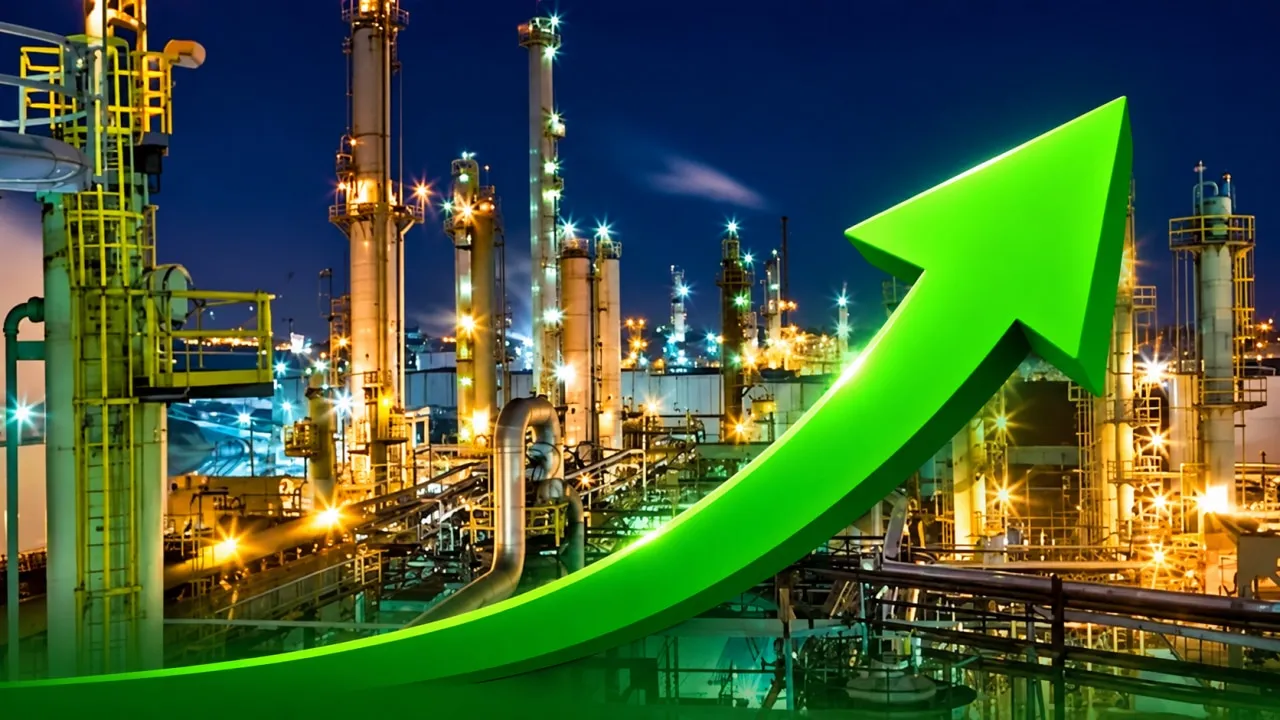
Pakistan plans to invest an estimated $5.7 billion in upgrading its five major oil refineries, a move that could nearly double domestic petrol production and increase high-speed diesel output by around 47 percent, according to an OGRA document.
This strategic financial commitment targets five primary processing facilities across the country. By modernizing obsolete industrial infrastructure, the initiative seeks to reshape the national energy market, curb heavy reliance on foreign petroleum imports, and improve the overall environmental standards of vehicle fuels consumed nationwide.
The refinery upgrades are expected to raise daily petrol production from 10,702 tonnes to 21,251 tonnes, while high-speed diesel output could increase from 21,237 tonnes to 31,288 tonnes. Such a dramatic expansion in local manufacturing capacity addresses long-standing vulnerabilities in the national supply chain, which has historically depended on purchasing refined products from international markets to meet domestic demand.
Foreign Exchange Savings and Economic Impact
The projects are also expected to save approximately $1 billion in foreign exchange annually by reducing reliance on imported fuel. This substantial financial relief comes at a critical time for the national economy, which frequently grapples with balance of payment pressures driven by high energy import bills.
Procuring refined petroleum products from abroad drains significant foreign reserves. By shifting the refining process inside national borders, the country retains more capital locally, eases the strain on the national currency, and builds a more self-sufficient energy sector.
The financial benefits extend beyond immediate currency conservation. Local industrial growth, job creation during the construction phases, and technology transfer accompany the capital injection, benefiting engineering firms, logistics providers, and associated manufacturing sectors.
Which Refineries Are Included in the Upgrade Program?
The upgrades will cover Attock Refinery, Pakistan Refinery Limited, National Refinery Limited, Cnergyico and PARCO. All five refineries are targeting improvements in petrol and diesel quality to Euro-V standards after modernization.
Transitioning to Euro-V compliant fuels represents a major environmental milestone for the country. Older fuel grades contain higher sulfur levels and pollutants that contribute significantly to urban air pollution and smog issues plaguing major metropolitan areas.
Adopting these strict international emission standards ensures that vehicles burning the newly produced local fuels emit fewer harmful gases, aligning national environmental policies with global benchmarks for cleaner air quality.
Individual Refinery Investments and Completion Timelines
According to the OGRA document, PARCO's upgrade is estimated to cost $1.4 billion, with completion targeted for 2029. PARCO operates extensive pipeline networks and refining assets, making its modernization a cornerstone of the broader national strategy.
Pakistan Refinery Limited is expected to invest $1.7 billion in its modernization project, which is scheduled for completion by 2028. This represents the single largest financial commitment among the five participating facilities, reflecting the scale of the required technical overhaul.
National Refinery Limited's upgrade is estimated to cost $1 billion, with a target completion date of 2029. Cnergyico is also expected to invest $1 billion in its refinery upgrade, which is scheduled to be completed by 2030.
Attock Refinery's modernization project is estimated to cost $600 million, with completion targeted for 2029. Together, these staggered timelines ensure a steady and orderly transition of industrial capacity over the remainder of the decade.
Modernization Schedule Leading Up to 2030
The five projects are expected to be completed between 2028 and 2030, increasing domestic production of petrol and diesel while improving fuel quality. This multi-year execution window requires meticulous engineering coordination, equipment imports, and plant shutdowns for integration work.
The investment is aimed at strengthening Pakistan's domestic refining capacity, reducing dependence on imported petroleum products and improving the country's foreign exchange position. Successfully executing these upgrades will permanently alter the operational landscape of the national energy sector, positioning local producers to meet future transportation fuel demands entirely from domestic facilities.