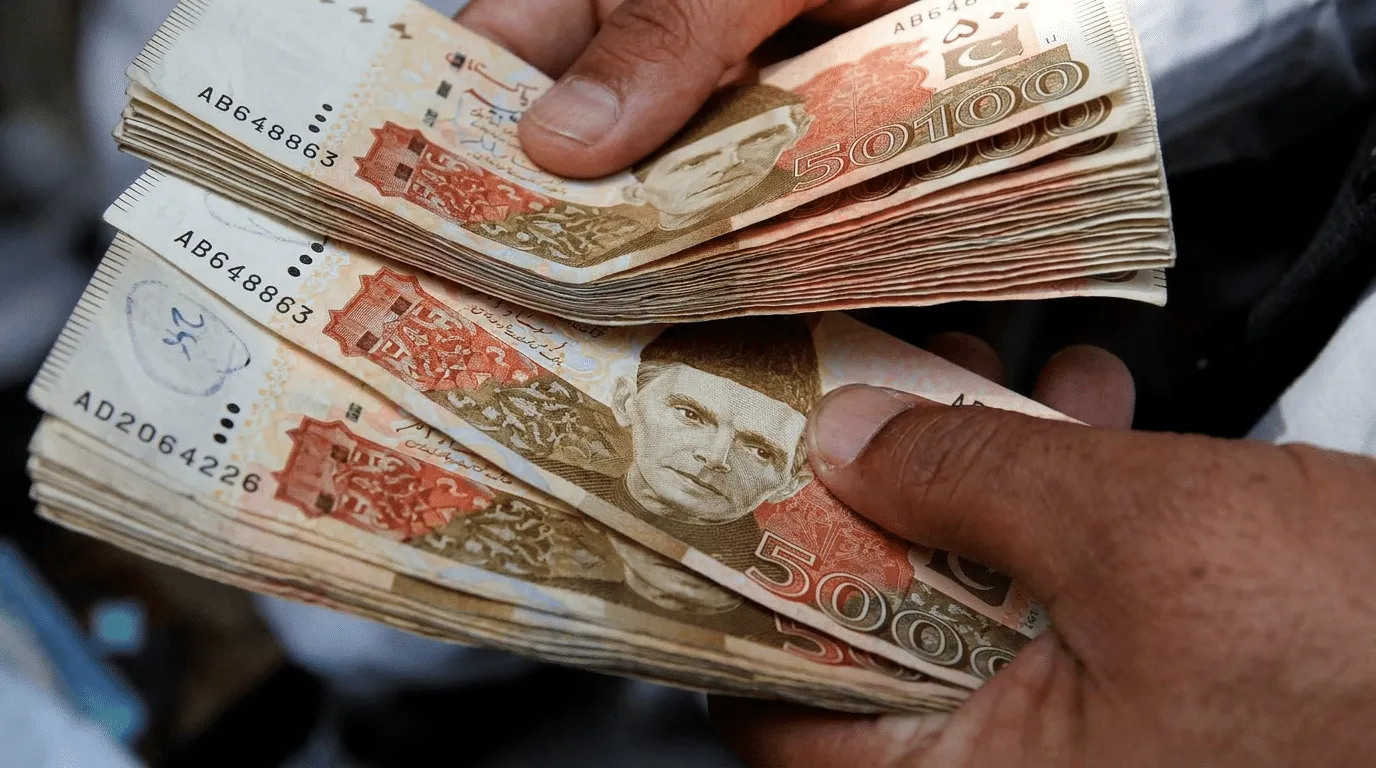
Federal Government Spends Just 10 Percent of Development Budget
The federal government spent only Rs. 103.87 billion, or 10.39 percent, of its Rs. 1 trillion development budget during the first four months of fiscal year 2026-27, according to official documents. These figures cover the period from July to October 2026 and demonstrate that overall development spending remained below 11 percent of the total authorized allocation. Such low utilization rates during the early months of a fiscal year typically reflect administrative delays, procedural bottlenecks in project approval, and slow release of funds by financial authorities.
Budget execution in public sector development programs often starts slowly due to the time required for project reviews, contractor mobilization, and procurement clearances. However, spending only a tenth of the total annual development outlay within a third of the fiscal year raises questions about the pace of infrastructure and social sector delivery. Analysts and economists monitor these periodic disbursements closely to gauge economic activity, public investment trends, and government fiscal discipline.
Breakdown of Ministerial and Corporate Spending Allocations
Federal ministries received a substantial share of the development funds, totaling Rs. 682.48 billion for various public sector initiatives, but managed to spend only Rs. 74.65 billion during the four-month period. Corporations fared similarly, having been allocated Rs. 312.51 billion while using just Rs. 29.22 billion. This disparity between allocations and actual disbursements indicates widespread slowness in project execution across multiple public sector entities.
Public sector development funding is divided among administrative ministries, autonomous corporations, and special regional allocations. When corporations and ministries hold back on spending, large-scale public works, utility expansions, and institutional upgrades experience delays. The lag in corporate utilization often stems from complex procurement rules and delayed approvals from governing boards.
Provincial Allocations and Special Area Fund Utilization
The allocation for provinces and special areas stood at Rs. 233.38 billion, of which a mere Rs. 23.80 billion was actually spent between July and October 2026. These regional allocations support development schemes outside direct federal administration, including regional connectivity, local infrastructure, and social uplift programs in special territories. Slow spending in these areas directly affects regional development goals and delays the completion of federally funded projects located within provincial boundaries.
Coordination between federal oversight bodies and provincial execution agencies often dictates the speed of fund release and utilization. When administrative friction occurs, disbursements stall, leaving regional projects underfunded for months. Observers note that provincial and special area utilization rates typically pick up only in the final quarters of the fiscal year as contractors rush to meet completion deadlines.
National Highway Authority and Transport Sector Spending
Among major development departments, the National Highway Authority (NHA) received the largest single allocation of Rs. 224.51 billion but spent only Rs. 13.29 billion during the period. The NHA is responsible for constructing and maintaining national highways, motorways, and strategic transport corridors across the country. Low spending by the NHA implies that major road construction and expansion projects are proceeding slower than initially scheduled.
Transport infrastructure projects require extensive land acquisition, environmental clearances, and multi-year contractor arrangements. Delays in any of these phases can freeze large sums of allocated money, explaining why highway authorities frequently report low expenditure figures in early quarterly reviews. Slower road work impacts the logistics sector and delays the anticipated economic benefits of improved national connectivity.
Water Resources, Power Division, and Energy Sector Outlays
The Water Resources Division used Rs. 18.72 billion out of its Rs. 103.08 billion allocation, reflecting the capital-intensive nature of water and dam projects. Meanwhile, the Power Division, which includes entities like the National Transmission and Despatch Company (NTDC) and the Pakistan Electric Power Company (PEPCO), spent Rs. 15.92 billion from its Rs. 88 billion budget. Both water and power sectors are critical for long-term resource security and grid stability, making steady fund utilization essential.
Energy and water projects involve complex engineering tasks, international equipment sourcing, and rigorous technical oversight. These characteristics often lead to front-loaded planning phases where actual cash disbursements remain minimal until heavy machinery is imported or major civil works begin. Consequently, lower initial spending in these divisions does not always signal permanent project cancellation, though it does defer tangible progress on the ground.
Education, Railways, and Social Sector Expenditure
Social and transport divisions also recorded low spending rates during the first four months of fiscal year 2026-27. The Higher Education Commission (HEC) spent Rs. 4.71 billion against its Rs. 46 billion allocation, while the Railways Division used Rs. 4.65 billion of its Rs. 40.65 billion development budget. Similarly, the Ministry of Federal Education and Professional Training spent Rs. 6.87 billion from its Rs. 36.31 billion allocation.
These figures show that a large portion of the federal development budget remained unspent by the end of October, despite allocations for infrastructure, education, water, and power projects. Educational institutions and railway modernization initiatives rely heavily on these development funds for campus expansions, lab upgrades, track rehabilitation, and rolling stock purchases. Continued slow spending in these sectors risks pushing project completion dates into subsequent fiscal years, adding to costs and delaying public benefits.





