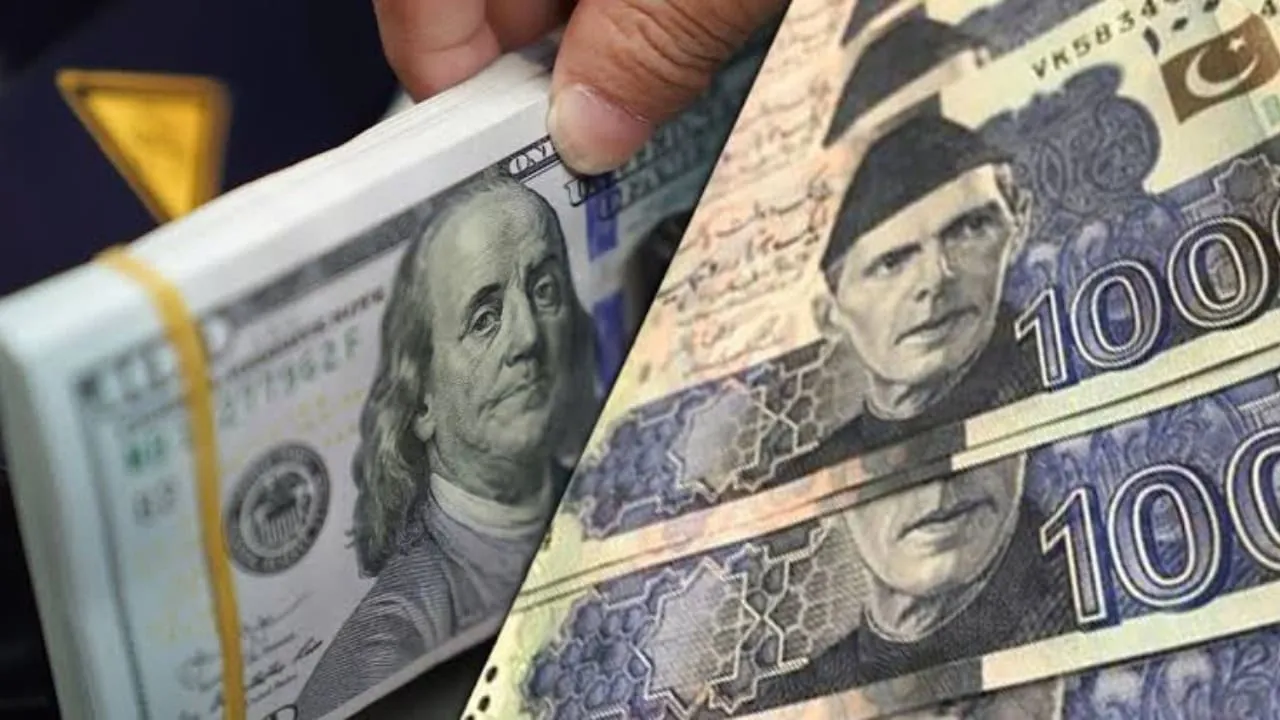
Pakistan's overseas workers are sending home approximately $44 billion annually, making workers' remittances one of the country's most important sources of foreign exchange. These inflows now cover nearly 100% of Pakistan's external financing deficit and account for around 10% of its gross domestic product (GDP).
Transfers from an estimated 10 million Pakistanis living abroad have become critical to the country's economic stability. A portfolio manager at East Capital recently described remittances as "Pakistan's oil," highlighting their growing importance in supporting the economy and strengthening foreign exchange reserves.
Why Remittances Matter for Pakistan's Balance of Payments
Remittances are recorded in the current account, the part of the balance of payments that captures trade in goods and services, primary income and secondary income such as transfers. Because they are a form of secondary income, they do not depend on the performance of domestic production or export competitiveness. In Pakistan, the steady flow of $44 billion fills the gap left by a current-account deficit that excludes remittances, which has fluctuated widely over recent years.
When the country's foreign exchange reserves fell to a level that covered only about 1.5 months of imports in 2023, the government faced a severe external financing crisis. The shortage limited the ability to pay for essential imports, raised the risk of a sovereign default, and increased pressure on the rupee. The influx of remittances helped reverse that trend by providing a reliable source of hard currency.
Historical Growth of Remittance Flows
Data show that workers' remittances have risen steadily over the past 12 years. In September 2014, the annual flow was roughly $16 billion. By September 2026, that figure had grown to more than $43 billion, and the most recent estimate places it at $44 billion. This growth reflects both an expanding diaspora and higher earnings abroad, particularly in the Gulf Cooperation Council states, Europe and North America.
The increase has been supported by policy measures that reduce transfer costs, such as agreements with major money-transfer operators and the promotion of digital channels. The State Bank of Pakistan has also encouraged the use of formal channels, which improves data accuracy and ensures that funds are fully captured in official statistics.
Impact on Inflation and Foreign Exchange Reserves
Since the 2023 crisis, gross foreign exchange reserves have risen nearly fivefold. The larger pool of reserves gives the central bank more room to intervene in the foreign-exchange market, stabilising the rupee and lowering import-related price pressures. Inflation, which peaked at 38% during the same period, has fallen to single-digit levels, although it recently rose to 9.6%.
While many factors influence inflation, the steady inflow of foreign currency from remittances reduces the need for the government to borrow at high rates or to devalue the currency to meet import bills. This, in turn, helps keep price increases in check.
Link Between Remittances and Equity Market Performance
The portfolio manager at East Capital noted that Pakistani equities delivered a 318% return in US-dollar terms over the same period, equivalent to an annualised return of 53%. He linked this performance to three main drivers: government stability, the International Monetary Fund (IMF) programme, and rising remittance inflows.
Higher foreign-exchange reserves and lower inflation improve investor confidence, encouraging both domestic and foreign capital to flow into the stock market. The strong performance of equities further reinforces the narrative that remittances act as a stabilising force for the broader economy.
Who Benefits From the Remittance Surge?
Households receiving money from abroad experience higher disposable income, which can be spent on education, health care, housing and small business investment. At the macro level, the government benefits from a healthier external position, which lowers the cost of external borrowing and improves credit ratings.
Businesses that rely on imported inputs also gain from a more stable rupee, as exchange-rate volatility diminishes. The banking sector sees increased transaction volumes and fee income from formal transfer channels.
What the Future Holds for Pakistan's Remittance Landscape
There is no official target for future remittance levels, but the trend suggests continued growth as the diaspora expands and digital transfer methods become cheaper. The State Bank of Pakistan has indicated that it will keep working on reducing transaction costs and enhancing financial inclusion, which should sustain the upward trajectory.
Watch for policy updates on the regulation of money-transfer operators, the rollout of faster payment systems, and any bilateral agreements that could lower fees for workers sending money home. These steps will determine how quickly remittance flows can grow and how effectively they can be harnessed for economic stability.
With annual remittances approaching $44 billion, overseas Pakistanis continue to play a major role in supporting the country's foreign-exchange position, managing external payment obligations, and maintaining economic stability.





