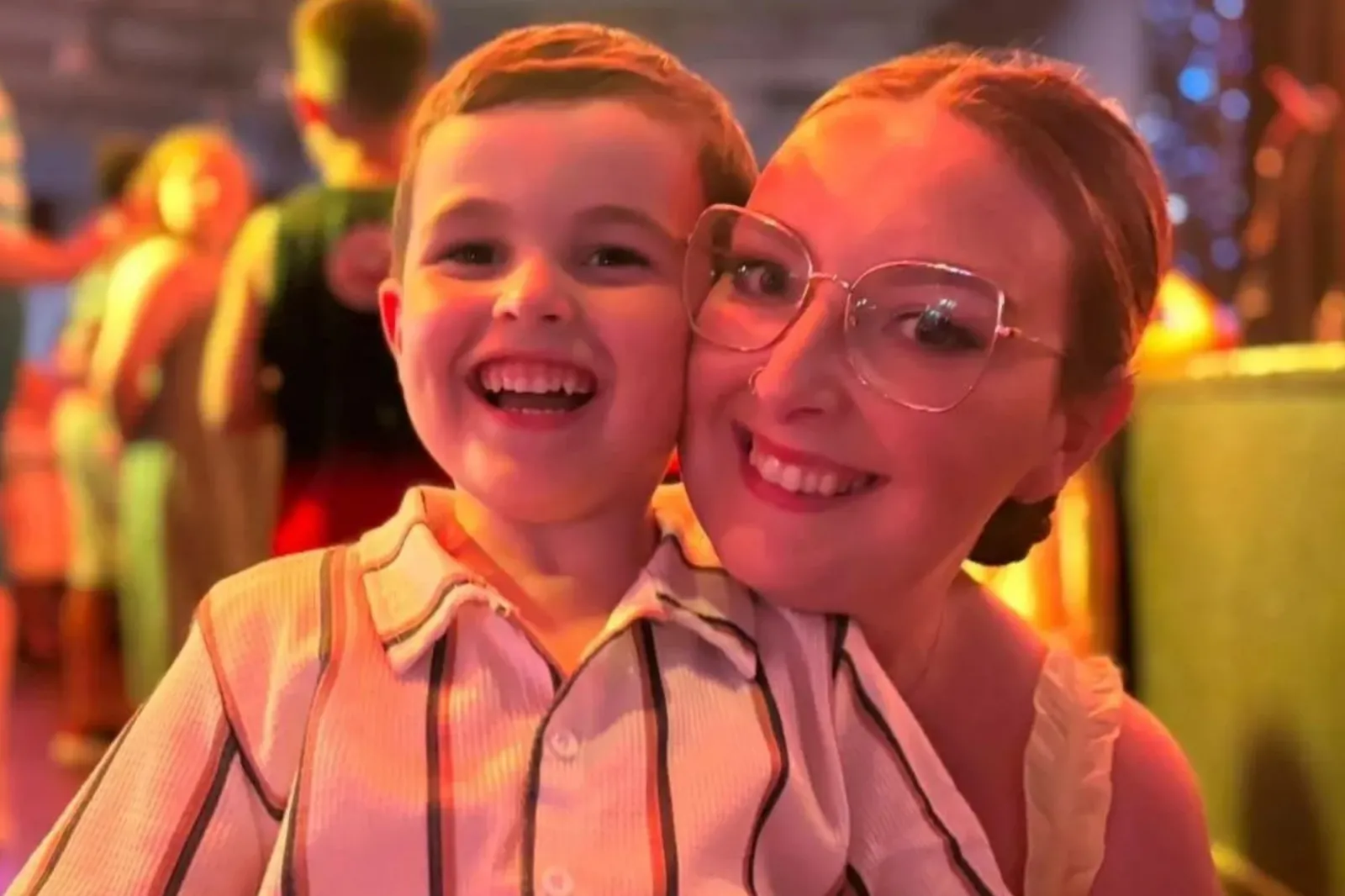
Four-year-old Jack Wade was eating his morning meal when his speech became slurred and one half of his face suddenly dropped.
Even though these signs initially went away, they came back later that morning, leading Jack to collapse while struggling to talk and move the right side of his body.
His mother, Leanne, initially thought her toddler was far too young for a stroke, and the temporary relief of his symptoms comforted her.
However, her maternal instinct told her something was severely wrong, prompting her to rush him to the nearby hospital.
The young boy underwent urgent brain scans during further terrifying episodes before medical staff transferred him to Great Ormond Street Hospital.
Hospital staff diagnosed him with an ischaemic stroke, which is the most frequent type of stroke happening when a blood clot blocks blood flow to the brain.
Medics believe the medical emergency stemmed from an earlier bout of chickenpox that inflamed the blood vessels inside Jack's brain.
Leanne, who lives in South Ockendon, Essex, stated, "Nothing prepares you for hearing that your four-year-old has had a stroke."
She added, "You don't expect those words to ever be part of your life."
She continued, "I never knew children could have strokes before this happened to Jack."
She noted, "I never imagined I would have to recognise the signs in my four-year-old."
While pediatric strokes are uncommon, several hundred young people experience this health crisis annually in the UK, according to the Stroke Association.
Chickenpox connects to an elevated threat of childhood stroke for roughly half a year following the infection.
Although chickenpox remains a very frequent childhood illness across the UK, stroke represents an extremely rare complication, the organisation explains.
Other dangerous infections impacting the brain and different organs can trigger a stroke, such as bacterial meningitis, encephalitis, and sepsis.
Jack spent three weeks admitted to medical facilities, including stays at Great Ormond Street Hospital and Basildon Hospital.
Following his stroke, he has shown promising improvement.
His facial drooping has gotten better, his self-assurance has returned, and he keeps recovering his capabilities.
Still, the ordeal left a lasting effect on the entire household, and Jack takes daily pills as he gets ready to begin school.
His mother still fears he might suffer another stroke.
Stroke symptoms in children
A stroke is a medical emergency. If you suspect a stroke, don't wait. You should always call 999 straight away.
The FAST test can be used to help identify strokes in children, but children may have other signs too.
- Face weakness: Can the young person smile? Has their face fallen on one side?
- Arm weakness: Can they raise both arms fully and keep them there?
- Speech problems: Can they speak clearly and understand what you say? Is their speech slurred?
- Time to call 999: If you see any one of these signs.
Children and young people may have other stroke symptoms, including:
- Sudden, severe headache.
- Seizures (fits).
- New and sudden vertigo, dizziness or confusion.
- Problems with walking or balance.
- Neck pain or neck stiffness.
- Nausea/vomiting or fever.
- Drowsiness or loss of consciousness.
- Sudden blurred vision or loss of sight in both eyes.
- Weakness or numbness on one side of the body.
- Changes in sensation, like pins and needles in arms or legs.
Source: Stroke Association
Leanne shared, "You can be incredibly grateful that your child is here and doing well, while still being frightened about what might happen next."
She noted, "Both feelings can exist at the same time."
She stated, "I don't want another mum to hear that their child is too young to have a stroke when they are seeing the signs in front of them."
Despite everything he has endured, Jack stays an active little boy who cherishes spending moments with his relatives, particularly his younger brother, George.
Leanne trusts that sharing his journey will assist other households in realising strokes can impact children too, while urging people to look past a medical label.
She remarked, "Jack is so much more than his stroke. He is my little boy. He is George's big brother."
She added, "He is funny, confident, cheeky and full of life."
She concluded, "His stroke is a part of his story, but it does not define who he is."
Leanne is publicising his experience for the Stroke Association campaign titled 'Survival Is Not Enough', which spreads awareness regarding childhood strokes and spotting symptoms in toddlers.
One out of every four strokes strikes individuals of working age, reports the charity.
However, one third of British adults aged 18 to 34 at 34 percent and nearly a quarter of individuals aged 35 to 44 at 24 percent assume they are too young for one.
Leanne stated, "My message to other parents is simple: trust your instincts. You know your child better than anyone."
She explained, "You know how they normally speak, how they move and what their face normally looks like."
She added, "If something suddenly changes and it doesn't feel right, speak up."
She advised, "Keep asking questions."