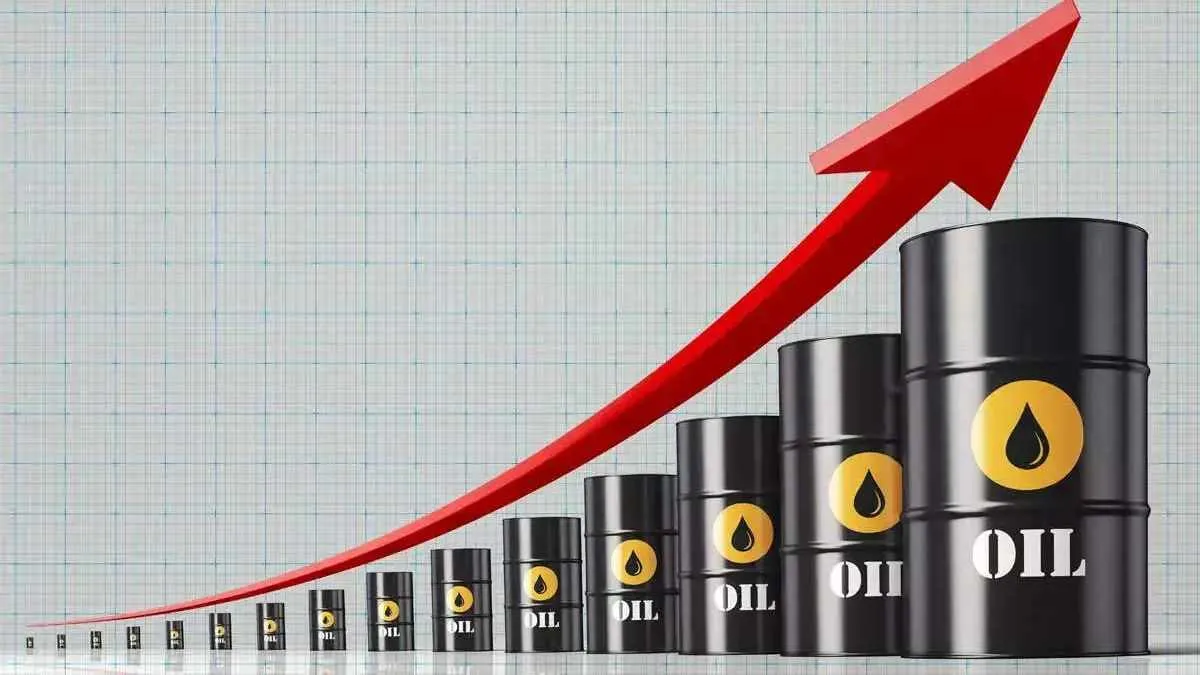
Global oil prices trade around $118 per barrel, while market participants prepare for volatile $120-rates-in-November conditions. Fears of fresh conflict between the US and Iran increase, even though Pakistan and Gulf intermediaries try to broker an end to the fighting. Qatar and Pakistan make mediation efforts, but multiple indicators suggest US-Iran hostilities will resume soon.
What Is Pushing Oil Towards $120
This price surge happens just days ahead of the US midterm elections. Global benchmark Brent traded above $116 per barrel last week when crude entered the danger zone. Iran's Islamic Revolutionary Guard Corps (IRGC) stated that three unknown ships hit naval mines in the Strait of Hormuz, caught fire, and were abandoned after taking an unauthorised path and disregarding warnings from Tehran. The US Central Command (Centcom) denies all claims made by the IRGC.
How Governments and Producers Are Responding
European Union governments plan to tap 42 million barrels of strategic fuel and oil reserves over the next three months, with half designated as diesel. France will release 10 million barrels and anticipates pump prices dropping by €0.12 to €0.18 per litre within days. Gulf producers also seek alternatives around the strait. Saudi Aramco reportedly begins offering discounted spot cargoes to European buyers for October and November deliveries to maximize loadings from its Red Sea coast. Abu Dhabi's ADNOC informed clients that its second 1.5 million barrels per day pipeline to Fujairah, avoiding the Strait of Hormuz, will receive initial deliveries in early 2027.
What This Means for You
Pakistan now updates fuel prices on a daily basis, transferring international market shifts to local pumps much faster than the previous fortnightly schedule. An unstable week globally can thus cause frequent price fluctuations for Pakistani consumers buying petrol and diesel. Petrol currently stands at Rs. 377.91 per litre. At this price, a driver using 40 litres monthly spends about Rs. 15,116 on fuel. Every Rs. 1 per litre rise increases that monthly expense by Rs. 40, whereas a Rs. 10 increase adds Rs. 400. Authorities already intervened once to stabilize costs. The recent notification reduced the petroleum levy on petrol from Rs. 80 to Rs. 65.29 per litre and required local refineries to absorb a Rs. 14.71 per litre increase in import expenses. Whether authorities can maintain this cushion if Brent surpasses $120 remains uncertain.
Other Developments in Energy Markets
- Russia plans to extend its diesel export restrictions through January, while granting separate quotas for US-bound cargoes.
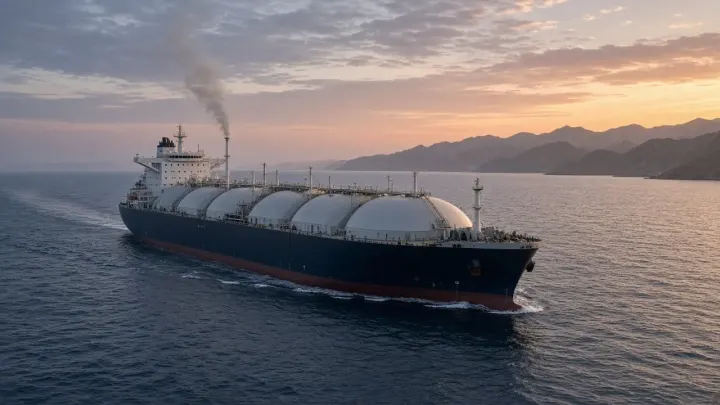
- Egypt bought six fuel oil cargoes for November-December delivery as soaring LNG prices strain its finances. It has already spent 60% of the $10.1 billion it budgeted for LNG imports in 2026/27.
- An armed group again shut a valve on Libya's Hamada-Zawiya pipeline, halting flows to the country's largest refinery, the 120,000 barrels per day Zawiya plant.
- Record freight costs from Europe pushed fuel oil price spreads in Asia to record highs.
- Japan is set to overtake China as the world's largest LNG importer this year, with 62 million tons of imports compared to China's expected 61 million tons.