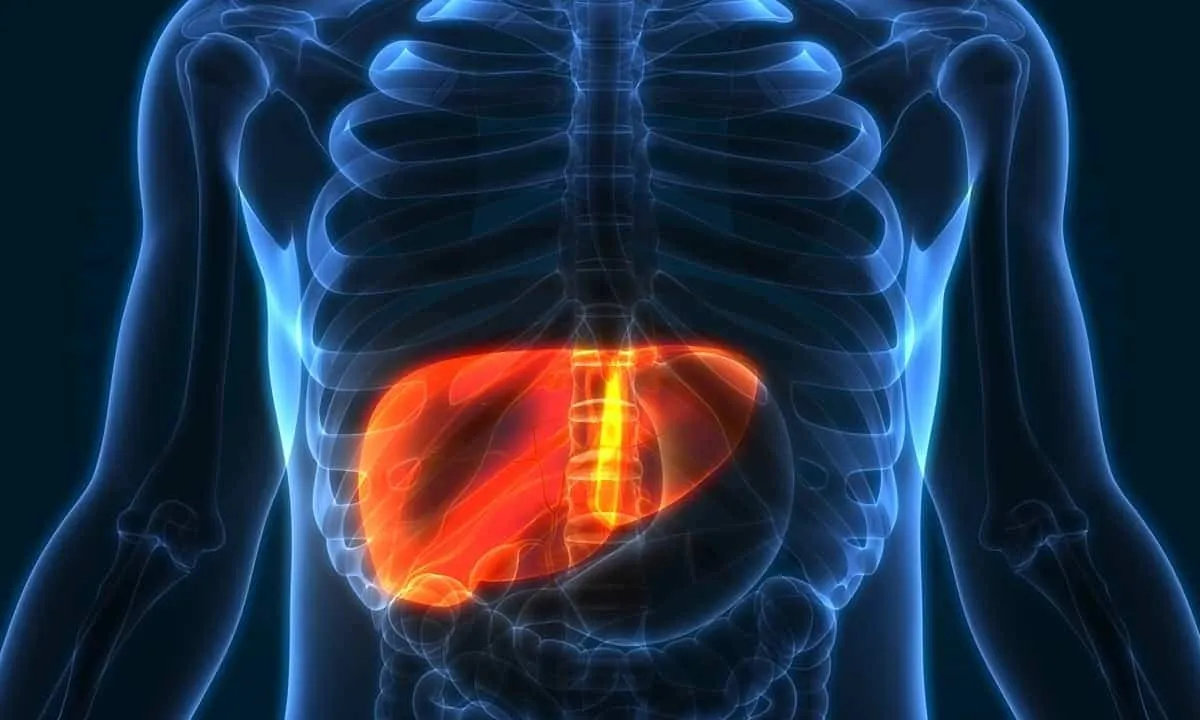
Scientists at Karolinska Institutet found 31 new genetic regions connected to liver fat levels, providing fresh understanding of fatty liver disease causes and liver cancer risk.
Published in Nature Genetics, the research evaluated genetic data and MRI scans from 71,488 European descent participants in the UK Biobank, marking the largest genome-wide study using MRI-based liver fat measurements.
Fatty liver disease happens when triglycerides, a specific fat type, build up inside the liver. While genetics matter significantly for the condition, researchers lacked full understanding of which genes drive its development.
Sixty genetic regions associated with liver fat were pinpointed by the scientific team, with 31 of them never before connected to this trait. According to the results, everyday genetic variations explain about 25 percent of individual differences in liver fat amounts.
Stefano Romeo, a professor at Karolinska Institutet's Department of Medicine in Huddinge, stated, "By almost doubling the number of known genetic regions linked to liver fat, we get a clearer picture of the biological processes behind fatty liver disease."
To pinpoint genes potentially impacted by these genetic differences, the investigators applied multiple techniques, finding likely disease-associated genes across 48 of the 60 regions.
The group similarly built a genetic risk score relying on many genetic variants. Individuals possessing the highest scores showed a greater chance of developing fatty liver disease and liver cancer compared to those with lowest scores, implying that inherited elements driving fat buildup might affect later life liver disease risk.
The authors pointed out that the work featured solely people of European descent, meaning future studies with diverse populations are required to see if results apply elsewhere, alongside confirming certain newly found genetic regions.