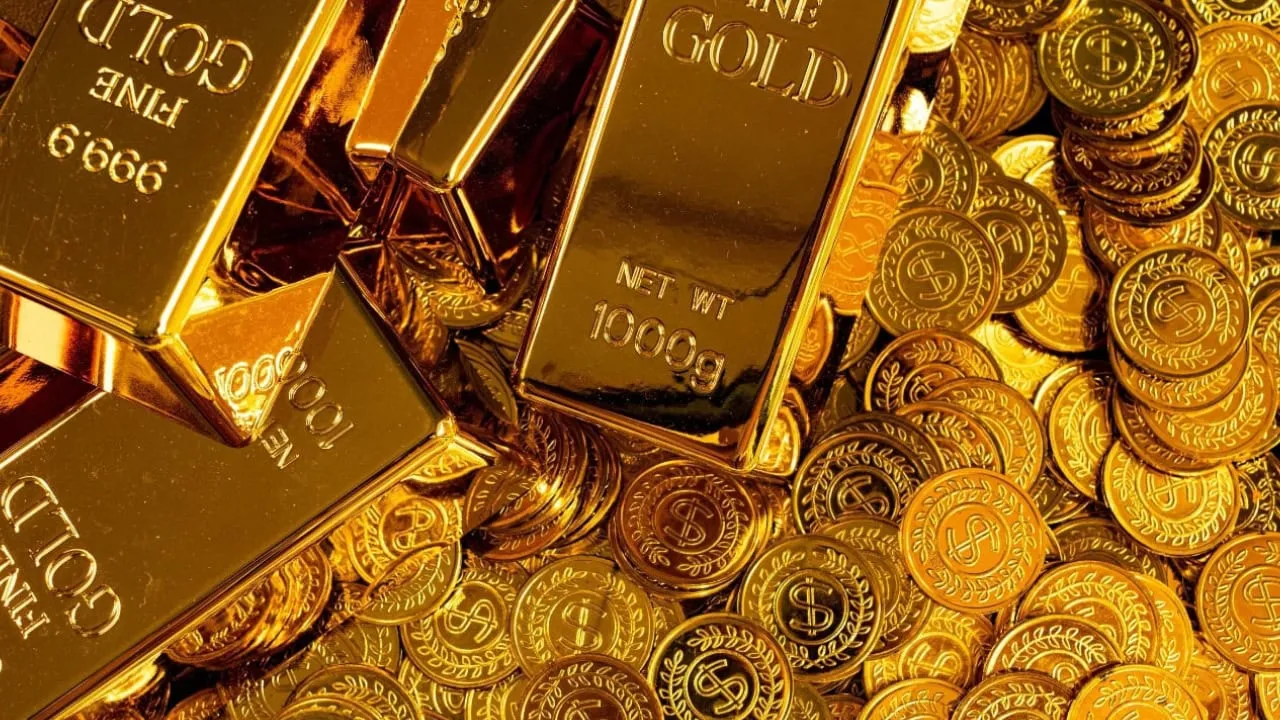
Understanding Precious Metal Market Volatility
Stalled diplomatic negotiations between the United States and Iran are currently driving significant volatility in global precious metals markets. President Trump recently demanded historical conflict compensation from Tehran, a demand that effectively freezes ongoing peace talks between the two nations. This sudden diplomatic deadlock crushes any immediate hope of reopening the Strait of Hormuz, a critical maritime chokepoint for international energy transport. Consequently, spiking global oil prices fuel fresh inflation fears across major economies, sending ripples through financial systems worldwide. Anxious investors respond to this uncertainty by aggressively buying gold and silver as traditional safe-haven assets. In Pakistan, these international shocks push local prices of these precious assets sharply higher, forcing local trading floors to react quickly. Local Sarafa markets constantly adjust prices to absorb these macroeconomic hits, creating a fast-moving environment for buyers and sellers alike.
Current Gold and Silver Rates in Pakistan
Domestic bullion markets in Pakistan reflect the immediate pressure from foreign currency shifts and international commodity valuations. Traders in major cities monitor these metrics continuously throughout the trading day to maintain alignment with global benchmarks. The domestic pricing structure accounts for both per tola rates and smaller fractional weights to accommodate diverse retail and wholesale buyers. Below are the registered local rates for 24-karat gold and silver across standard measurement units:
- Gold 24K Per Tola: Rs. 407,271
- Gold 24K 10 Grams: Rs. 349,175.40
- Gold 24K 1 Gram: Rs. 34,917.54
- Silver Per Tola: Rs. 5,230.56
- Silver 10 Grams: Rs. 4,484.44
- Silver 1 Gram: Rs. 448.444
Global Spot Prices for Gold and Silver
International commodity exchanges dictate the baseline cost of bullion before local import duties, transportation costs, and dealer margins apply. Spot prices represent the current value of the metal for immediate delivery, serving as the primary benchmark for traders globally. Recent geopolitical developments in the Middle East have pushed these spot figures to notable levels as market participants hedge against currency depreciation and energy inflation. International spot rates stand at specific valuations for institutional and retail transactions:
- Spot Gold: $3,916.01 per troy ounce
- Spot Silver: $50.30 per troy ounce
Geopolitical Triggers Behind Precious Metal Shifts
The current turbulence in bullion valuation stems directly from diplomatic friction in the Middle East. When peace talks stall between Washington and Tehran, energy markets react instantly due to the strategic importance of regional shipping lanes. The closure or restricted movement through the Strait of Hormuz threatens global energy supplies, driving up crude oil costs. Higher energy expenses naturally feed into broader consumer price inflation, prompting institutional funds to rotate capital out of equities and into precious metals. This macro shift increases physical demand for bullion, which in turn elevates prices on both international exchanges and domestic trading floors.
How Local Sarafa Markets Respond to International Shocks
Jewelers and bullion dealers in Pakistan rely heavily on daily international spot quotations and foreign exchange rates to set domestic prices. When overseas markets experience heavy buying pressure, local Sarafa associations update their rate sheets multiple times to reflect the shifting values. Consumers participating in domestic retail markets face these frequent adjustments when purchasing jewelry, bars, or coins. Small businesses and individual investors must factor in these rapid fluctuations when planning purchases or liquidating assets to secure liquidity during uncertain economic periods.
Broader Economic Impact on Investors and Consumers
Rising costs for precious metals influence consumer behavior across multiple sectors within the national economy. Retail buyers often view gold as a reliable store of value against domestic currency devaluation and rising inflation rates. However, higher per tola prices can also dampen retail jewelry sales during traditional wedding and festival seasons when physical gold demand typically peaks. Investors balancing portfolios must weigh the safety of bullion against the lack of yield, keeping a close watch on international diplomatic developments that could shift market sentiment overnight.





