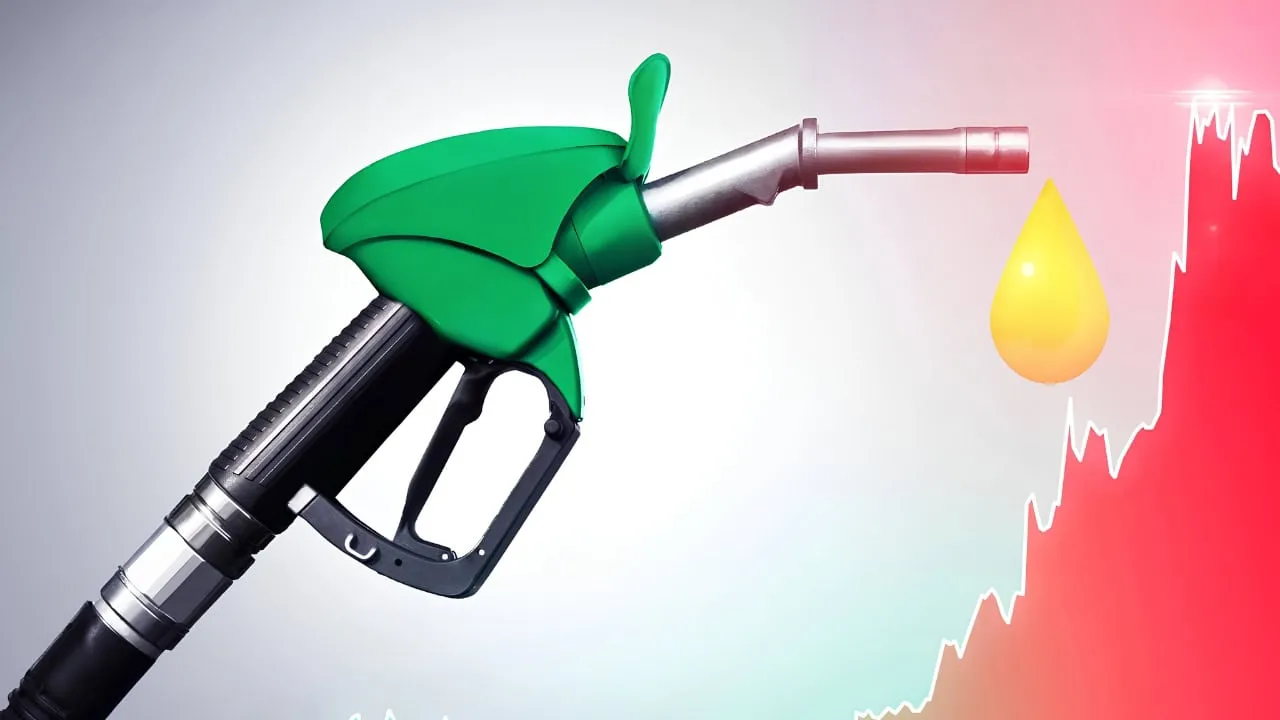
Pakistan's Oil and Gas Regulatory Authority (OGRA) announced on 13 October 2026 that the ex-depot price of Motor Spirit (petrol) fell to Rs. 332.00 per litre and High Speed Diesel to Rs. 360.00 per litre, marking the latest move in a daily-price-adjustment regime that began on 17 July 2026.
The decision comes as the federal government seeks to protect consumers from the sharp volatility triggered by the 2026 US-Israel war on Iran and the ensuing disruptions to the Strait of Hormuz, a chokepoint that carries roughly a quarter of global seaborne oil.
Why Pakistan Adopted Daily Fuel Price Adjustments
Until July 2026, Pakistan revised petroleum product prices on a monthly basis, a practice that left consumers exposed when global crude prices swung sharply. The government, citing "extreme market volatility," authorised OGRA to change ex-depot prices every 24 hours. This shift aims to align domestic pump prices more closely with international spot rates, reducing the lag that previously amplified inflation.
Daily adjustments also give the Ministry of Finance a tool to temper inflationary pressure without resorting to broader fiscal measures. By moving the price signal to the consumer level, the state hopes to avoid large, sudden jumps that can destabilise household budgets and business operating costs.
How the Daily Revision Process Works
OGRA calculates the new ex-depot price based on three components: the prevailing international crude oil price, the exchange rate of the Pakistani rupee against the US dollar, and a fixed margin that covers transportation, taxes and dealer margins. The authority receives updated data each morning, runs its pricing model, and publishes the revised rates before 10 am local time. Retailers must adjust pump prices within two hours of the announcement.
Importantly, the policy stipulates that weekends (Saturday and Sunday) and public holidays will retain the price set on the preceding business day. This provision prevents operational overload for small retailers who may lack the staffing to change prices daily.
Impact of the Latest Price Cut
The table below shows the most recent revision compared with the previous day's rates.
| Product | Previous Price(12/10/2026) | Revised Price(13/10/2026) | Difference |
|---|---|---|---|
| Motor Spirit (MS) | Rs. 335.00 | Rs. 332.00 | -3.00 |
| High Speed Diesel (HSD) | Rs. 364.00 | Rs. 360.00 | -4.00 |
For the average commuter, the Rs. 3.00 per litre reduction in petrol translates to roughly Rs. 180 saved per full-tank fill-up (assuming a 60-litre tank). Diesel-dependent transport firms stand to save about Rs. 240 per 60-litre load. While the absolute numbers appear modest, the cumulative effect across millions of vehicles can ease inflationary pressure on food and other essential goods that rely on fuel for distribution.
Background: The 2026 Global Fuel Crisis
In February 2026, Iran closed the Strait of Hormuz, halting the flow of an estimated 25 % of world oil shipments. The closure followed heightened tensions after the United States and Israel launched a coordinated military operation against Iranian facilities. In response, the United States imposed a naval blockade on Iranian ports, further constraining supply.
A brief ceasefire in June offered a glimmer of relief, but the truce collapsed on 8 July when renewed attacks on commercial vessels prompted Iran to seal the strait again. The United States then conducted successive airstrikes aimed at reopening the waterway. The back-and-forth has kept global crude markets on edge, pushing Brent crude above US$ 115 per barrel for much of the summer.
Pakistan, a net importer of petroleum, felt the shock immediately. The country's balance of payments narrowed as oil import bills surged, prompting the central bank to tighten monetary policy. The daily-price-adjustment mechanism was introduced as a direct response to this external shock.
What the Policy Means for Different Stakeholders
Consumers: Daily price changes mean that shoppers must stay informed about the latest rates, typically via news bulletins, mobile apps, or OGRA's website. Those who fill up frequently will notice incremental savings or costs depending on global price movements.
Transport Companies: Fleet operators can now forecast fuel expenses more accurately on a day-to-day basis, allowing better budgeting for logistics, especially for long-haul trucking that constitutes a large share of diesel consumption.
Retailers: Small petrol stations must adjust signage and pump displays daily, a logistical challenge that the government mitigates by exempting weekends and holidays. Larger chains have automated price-display systems that sync with OGRA's feed.
Government: The policy provides a transparent, market-linked pricing framework that can be communicated to the public, reducing the risk of political backlash from sudden price spikes.
What Comes Next: Monitoring and Future Adjustments
OGRA has committed to reviewing the daily-adjustment system after a three-month trial period, slated for October 2026. The review will assess the administrative burden on retailers, the volatility of consumer prices, and the overall impact on inflation.
If the system proves effective, the government may make daily revisions a permanent feature. Conversely, if the volatility proves too disruptive, a hybrid model, daily adjustments during periods of extreme market stress and monthly revisions otherwise, could be adopted.
Stakeholders are advised to watch for OGRA's monthly performance report, which will be published on the agency's website and disseminated through the Ministry of Finance's press releases.
Practical Takeaways for Readers
- Check the latest fuel price before heading to the pump; the rate can change every day.
- Use mobile apps or the OGRA website for real-time updates.
- Plan longer trips around days when prices are expected to be lower, based on recent trends.
- Businesses that rely heavily on diesel should adjust budgeting cycles to a daily basis.
These daily adjustments will remain unchanged during weekends (Saturdays and Sundays) and public holidays.
The daily-price-adjustment policy reflects Pakistan's attempt to shield its economy from a volatile global oil market while keeping the public informed and protected. As the situation in the Middle East evolves, the policy's flexibility may become a template for other oil-importing nations facing similar supply shocks.