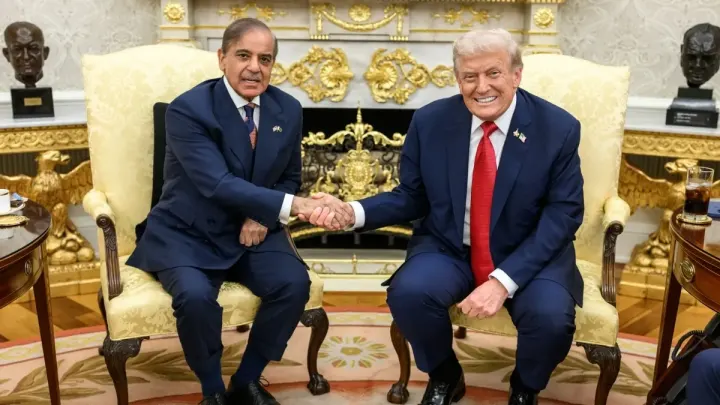
Stalled US-Iran negotiations are currently driving significant volatility in precious metals. President Trump recently demanded historical conflict compensation from Tehran. This demand effectively freezes ongoing peace talks. The sudden deadlock crushes any immediate hope of reopening the Strait of Hormuz. Consequently, spiking global oil prices fuel fresh inflation fears. Anxious investors aggressively buy gold and silver as safe-haven assets. In Pakistan, these international shocks push local prices of these assets sharply higher. Local Sarafa markets constantly adjust prices to absorb these macroeconomic hits.
What Caused the Immediate Drop in Gold and Silver Prices?
The primary trigger was the abrupt halt in US-Iran diplomatic talks after President Donald Trump asked Tehran to pay compensation for historic conflicts. The demand halted a fragile diplomatic process that had been aimed at easing tensions in the Gulf region. When the talks stalled, market participants feared a prolonged closure of the Strait of Hormuz, a chokepoint through which roughly a fifth of the world's oil supply passes.
Oil prices responded instantly, climbing by more than 3 % on the day. Higher oil prices tend to raise inflation expectations, which in turn boost demand for safe-haven assets such as gold and silver. However, the same fear of a supply shock in oil also spooked traders who quickly moved to lock in profits on metal positions, creating a sharp, short-term sell-off that pushed local Pakistani rates down.
Current Pakistani Metal Rates
Below are the official rates quoted by Sarafa traders across major Pakistani cities for 24-karat gold and silver on the day the market opened.
| Metal (24K) | Per Tola | 10 Grams | 1 Gram |
|---|---|---|---|
| Gold | Rs. 419,472 | Rs. 359,635.70 | Rs. 35,963.57 |
| Silver | Rs. 5,337.36 | Rs. 4,576.01 | Rs. 457.601 |
These figures represent a noticeable decline from the previous trading session, where gold had been quoted above Rs. 425,000 per tola and silver above Rs. 5,500 per tola.
International Spot Prices on the Same Day
The global benchmark rates for the same day were:
| Spot Gold | Spot Silver |
| $4,041.31 per troy ounce | $51.386 per troy ounce |
When converted to Pakistani rupees at the prevailing exchange rate of roughly Rs. 285 per US dollar, the spot gold price aligns closely with the local tola rate, confirming that Pakistani markets are tracking international movements closely.
Why Do US-Iran Relations Affect Pakistani Metal Prices?
Pakistan's economy is highly sensitive to oil price fluctuations because the country imports the majority of its crude oil. A rise in oil prices raises transportation costs, fuels inflation, and erodes real wages. In such an environment, investors typically turn to gold and silver to preserve wealth. The deadlock in US-Iran talks raised the risk premium on oil, which in turn altered investor sentiment toward metals.
Moreover, Pakistan's Sarafa system, traditional bullion markets operating in major cities such as Karachi, Lahore, and Islamabad, relies on daily price adjustments based on both international spot rates and local supply-demand dynamics. Any shock to the global economy is quickly reflected in the tola and gram rates displayed on shopboards.
Historical Context: How Precious Metals Have Reacted to Geopolitical Tensions
Historically, periods of heightened Middle-East tension have coincided with spikes in gold and silver prices. For example, during the 1990-1991 Gulf War, gold rose by more than 20 % in a single month. Similarly, the 2014-2016 oil price slump, driven by OPEC disagreements, saw a brief dip in metal prices before a rebound as investors reassessed risk.
In Pakistan, the 2008 global financial crisis led to a sustained rise in gold prices, reaching a record Rs. 378,000 per tola in early 2009. The pattern demonstrates that while short-term volatility can push prices down, the longer trend for safe-haven assets in times of geopolitical uncertainty is upward.
Impact on Different Stakeholders
Investors and savers: A lower gold price offers a buying opportunity for those who view the metal as a hedge against inflation. However, the rapid swing also warns of market instability.
Jewellers and retailers: Lower wholesale rates can improve margins if they can pass savings to consumers. Yet, sudden price changes complicate inventory valuation and pricing strategies.
General public: For ordinary Pakistanis who buy gold for weddings or savings, the dip reduces the immediate cash outlay but may also affect the perceived value of existing holdings.
What Comes Next? Monitoring the Situation
Analysts suggest watching three key indicators:
- Progress (or lack thereof) in US-Iran diplomatic talks, especially any official statements from the White House or Iran's foreign ministry.
- Daily oil price movements, as they directly influence inflation expectations in Pakistan.
- Exchange-rate fluctuations between the Pakistani rupee and the US dollar, which affect the conversion of international spot prices into local rates.
Until a clear resolution emerges, the Sarafa markets are likely to continue adjusting rates on a day-to-day basis. Traders advise customers to verify rates from multiple sources before making large purchases.
Practical Takeaways for Readers
1. Check the latest gold and silver rates before buying; the current tola price for gold is Rs. 419,472 and for silver Rs. 5,337.36.
2. Consider the exchange rate; with the dollar at roughly Rs. 285, international spot prices translate closely to local rates.
3. Keep an eye on oil price news, as any further rise could push metal prices higher again.
4. Use reputable Sarafa dealers and request written receipts to protect against price volatility.
For live currency and cryptocurrency updates, visit the Crypto Page linked on the site.