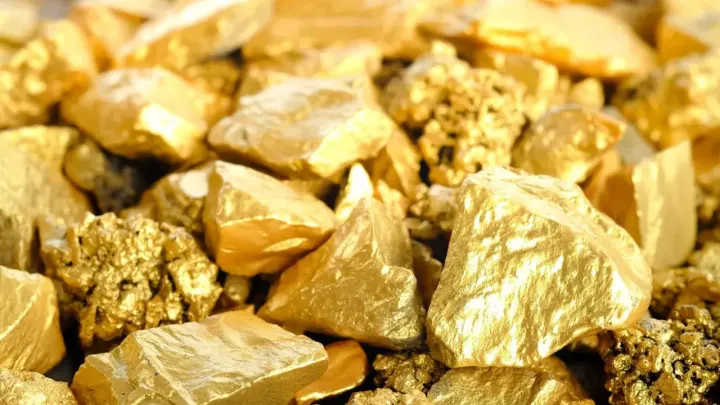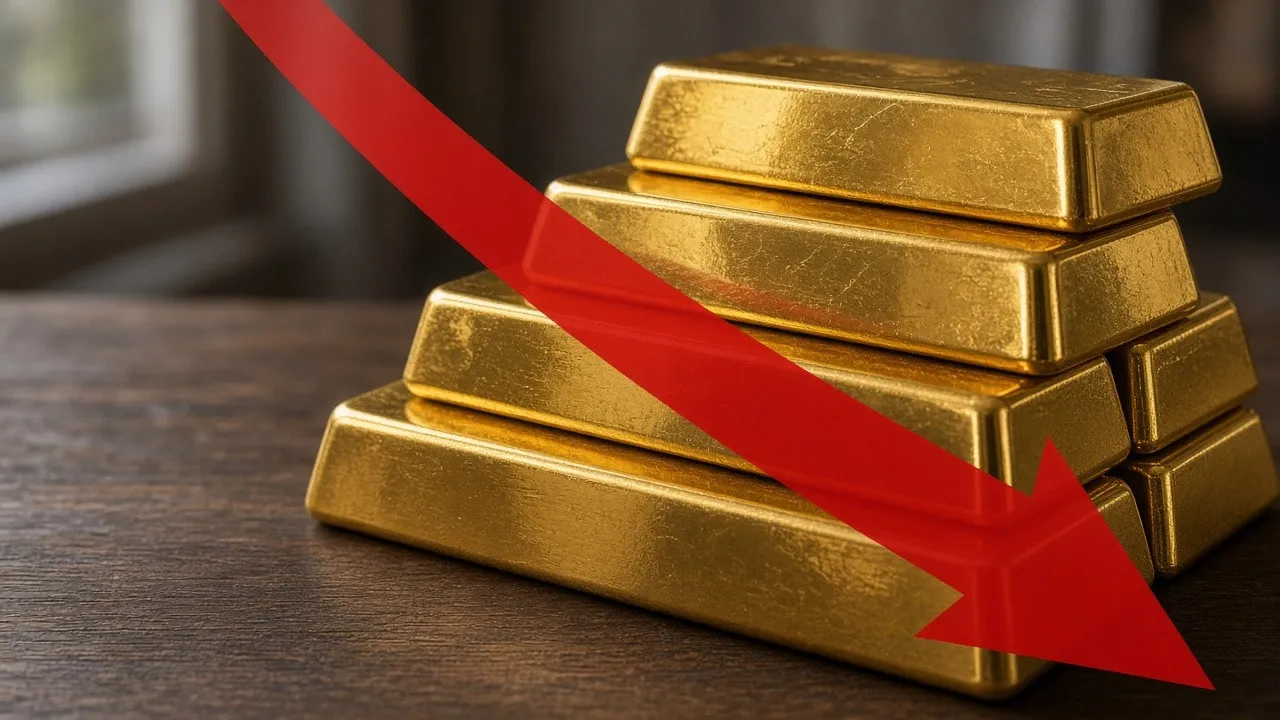
Gold prices in Pakistan fell for a second day in a row on Saturday, down Rs. 3,500 per tola and taking the total two-day drop to Rs. 18,900 as the precious metal lost ground in the international market.
According to rates shared by the All-Pakistan Gems and Jewellers Sarafa Association (APGJSA), gold price per tola settled at Rs. 376,336 in the local market, while 10-gram gold fell by Rs. 3,001 to Rs. 322,647.
What Drove the Two-Day Decline?
The fresh decline came a day after a much sharper fall. On Friday, gold dropped by Rs. 15,400 per tola to Rs. 379,836. This means gold, which was trading at around Rs. 395,236 per tola before Friday, has lost nearly 4.8 percent of its value in just two sessions. The metal had already slipped below the Rs. 400,000 mark earlier this week for the first time since September 2025.
Analysts point to a combination of weaker global demand, a stronger US dollar, and rising real yields on government bonds as the primary catalysts. When the dollar strengthens, gold, priced in dollars, becomes more expensive for holders of other currencies, prompting sell-offs. At the same time, higher yields make fixed-income assets more attractive relative to non-yielding gold.
How International Prices Influenced the Local Market
The local slide tracked global markets, where the international rate of gold declined by $35 to $3,538 per ounce. The drop in the London and New York bullion markets was mirrored in Pakistan because local dealers import gold primarily through the spot market, converting the dollar price into rupees using the prevailing exchange rate.
Silver followed the same trend, with its price falling by Rs. 108 to Rs. 4,600 per tola. The joint movement of both precious metals suggests a broader risk-off sentiment among investors worldwide.
Background: Gold's Role in Pakistan's Economy
Gold has long been a store of value for Pakistani households, especially during periods of inflation or currency depreciation. The metal is also a cultural staple for weddings and religious celebrations, where families purchase gold jewellery as a form of savings and status display.
Since the early 2000s, the Pakistani government has regulated gold imports through a licensing system overseen by the State Bank of Pakistan (SBP). Import duties, sales tax, and customs levies affect the final retail price. In recent years, the SBP has allowed limited gold imports to stabilize supply, but fluctuations in the global market still pass through to consumers.
Impact on Different Stakeholders
Consumers planning weddings or festivals now find lower prices, which could encourage higher spending on jewellery. Retailers may respond by offering promotional designs or bulk discounts to capture the surge in demand.
Investors who bought gold at higher levels are seeing the market value of their holdings shrink. For those holding physical gold, the loss is realized only when the metal is sold, but paper-based gold funds and exchange-traded products reflect the price change immediately.
Gold traders and jewellers face a mixed picture. While lower wholesale prices improve margins on new sales, reduced consumer confidence can lead to slower turnover. The All-Pakistan Gems and Jewellers Sarafa Association (APGJSA) monitors daily rates and provides guidance to its members on pricing strategies.
What the Decline Means for Future Prices
Market watchers caution that the current dip may be temporary if global risk sentiment improves or if the US dollar weakens. However, the ongoing strength of US Treasury yields and persistent inflationary pressures in major economies could keep gold under pressure.
In Pakistan, any significant change in the exchange rate between the rupee and the dollar will directly affect the local price. The SBP's monetary policy decisions, especially regarding interest rates, also play a role. A tighter policy that raises rates could further support the dollar, extending the downward trend for gold.
Practical Takeaways for Buyers and Investors
- Consumers should compare rates from multiple jewellers before committing to a purchase, as daily fluctuations can be sizable.
- Investors considering gold as a hedge should assess the broader macro-economic environment, not just the current price level.
- Those holding physical gold may consider secure storage options, as lower prices can attract higher theft risk.
- Retailers might explore bundled offers, such as jewellery sets with free maintenance, to stimulate sales during the price dip.
What to Watch Next
The next few weeks will reveal whether the decline is part of a longer-term correction or a short-term dip. Key indicators to monitor include:
- International gold prices in the next trading sessions, especially any reversal in the dollar's strength.
- Changes in the US Federal Reserve's policy outlook, which influence global bond yields.
- Domestic rupee exchange rates published by the State Bank of Pakistan.
- Official statements from the APGJSA regarding supply levels and import duties.
Readers are advised to stay updated with daily price bulletins from reputable sources and to consult financial advisers before making large-scale purchases or investment decisions.