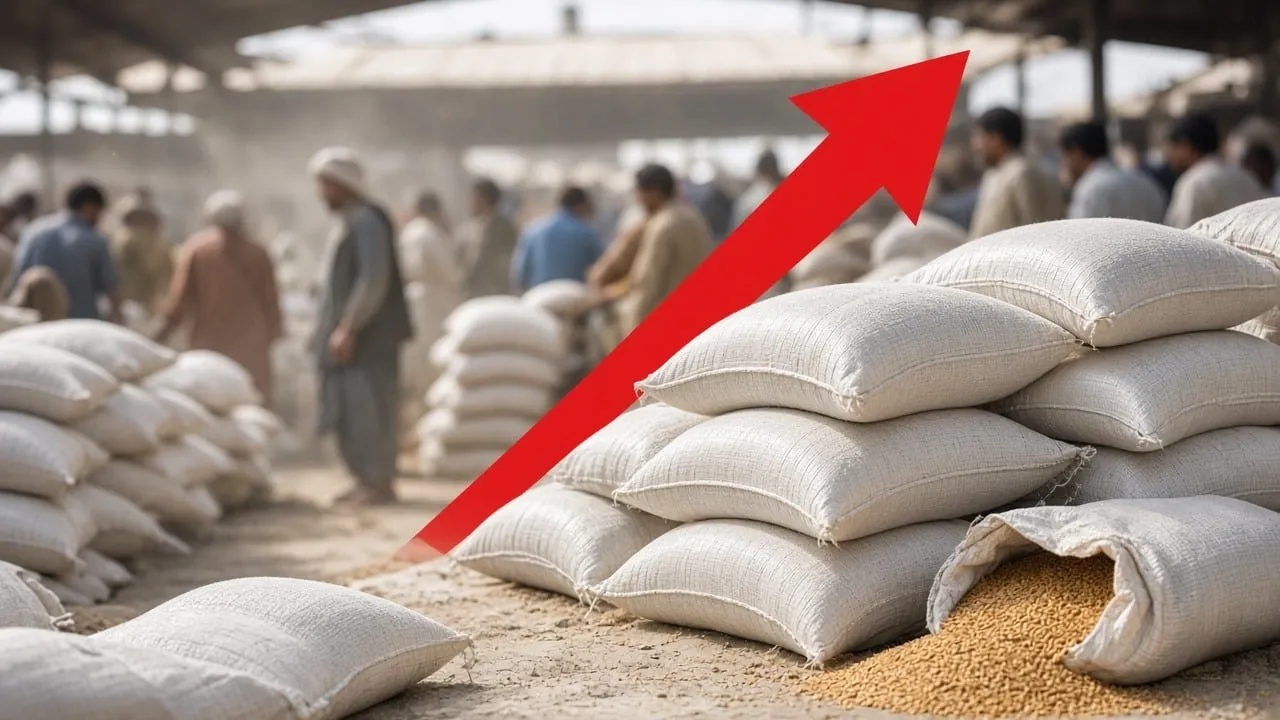
Federal Government Takes Action on Wheat Stocks
The federal government has recommended importing up to 800,000 metric tons of additional wheat to keep domestic stocks adequate and stop flour prices from climbing further. This major policy step aims to protect consumers from extreme market volatility and secure the availability of essential food commodities across the country. Food security remains a central priority for administrative authorities as urban centers experience continuous inflation in staple goods.
The recommendation came from a high-level meeting chaired by Deputy Prime Minister and Foreign Minister Senator Mohammad Ishaq Dar on Saturday, which reviewed wheat stocks, market supply and the price stability of essential food items across the country. Officials from various departments gathered to assess the current agricultural supply chain and determine necessary interventions to protect household budgets from escalating costs.
Crackdown on Profiteering Ordered by Officials
Dar directed federal and provincial departments to implement Prime Minister Shehbaz Sharif's directives on price stability, curb unwarranted profiteering and take timely measures to prevent artificial shortages and price swings. He stressed close coordination between federal and provincial authorities to monitor warehouse inventories and punish traders engaging in hoarding or illegal price manipulation. Administrative officers have received instructions to conduct frequent market inspections and enforce official rate lists.
Unwarranted profiteering creates severe hardships for ordinary citizens who rely on affordable flour for their daily meals. By demanding stricter enforcement, the government attempts to deter middlemen and speculative traders from exploiting supply gaps. Provincial governments hold the primary constitutional responsibility for retail price enforcement, requiring seamless cooperation with federal ministries to achieve tangible results.
Sugar Exports Also Reviewed in Separate Meeting
In a separate meeting, Dar's Committee on the Export of Surplus Sugar reviewed updated national sugar stock assessments and domestic consumption needs. Sugar, much like wheat, forms a fundamental part of the national diet and household expenditure, making supply monitoring critical for economic stability. Officials evaluated production yields from the recent crushing season to determine whether surplus volumes exist for international shipment.
It also examined safeguards to ensure export approvals stay strictly aligned with domestic market stability. Dar said protecting consumers from unwarranted price hikes remains the government's top priority. Regulatory mechanisms governing commodity exports are designed to pause shipments automatically if domestic retail rates begin to rise beyond acceptable thresholds.
Background on the National Wheat Shortfall
Pakistan faces persistent challenges in balancing domestic agricultural production with the consumption demands of a rapidly growing population. Weather anomalies, water scarcity, and rising costs of fertilizers and diesel have impacted local crop yields in recent growing seasons. These agricultural pressures frequently create supply deficits that require state-managed import programs to prevent severe market disruptions.
Former finance minister Miftah Ismail has estimated the country's wheat shortfall at around 3 million tons and warned that late imports arriving near the next harvest could crash prices for farmers. Such a scenario creates a complex economic dilemma where authorities must balance immediate urban consumer relief against the long-term financial viability of rural agricultural producers.
Previous Import Efforts and Market Realities
The fresh import push comes on top of the government's earlier decision to import 1 million tons of wheat through TCP. The Trading Corporation of Pakistan handles large-scale public sector procurement of essential commodities to bridge domestic supply gaps through international tenders and inter-governmental agreements.
Despite those arrivals, flour prices have kept rising, with Karachi retailers selling fine flour at Rs. 200 per kg last week. This persistent price increase demonstrates the complexity of retail markets, where transport costs, energy tariffs, and profit margins often prevent international shipments from translating into immediate relief for everyday shoppers.
What Comes Next for Consumers and Farmers
State planners and agricultural ministries must now finalize the logistics for procuring and distributing the newly recommended 800,000 metric tons of wheat. Timely execution remains critical to ensure these shipments arrive before local harvesting begins, thereby avoiding the price crashes predicted by agricultural economists.
Consumers should watch for announcements regarding subsidized flour releases through utility stores and designated points of sale. Meanwhile, farming communities will monitor government procurement policies to see how upcoming support prices and market interventions affect their next harvest returns.