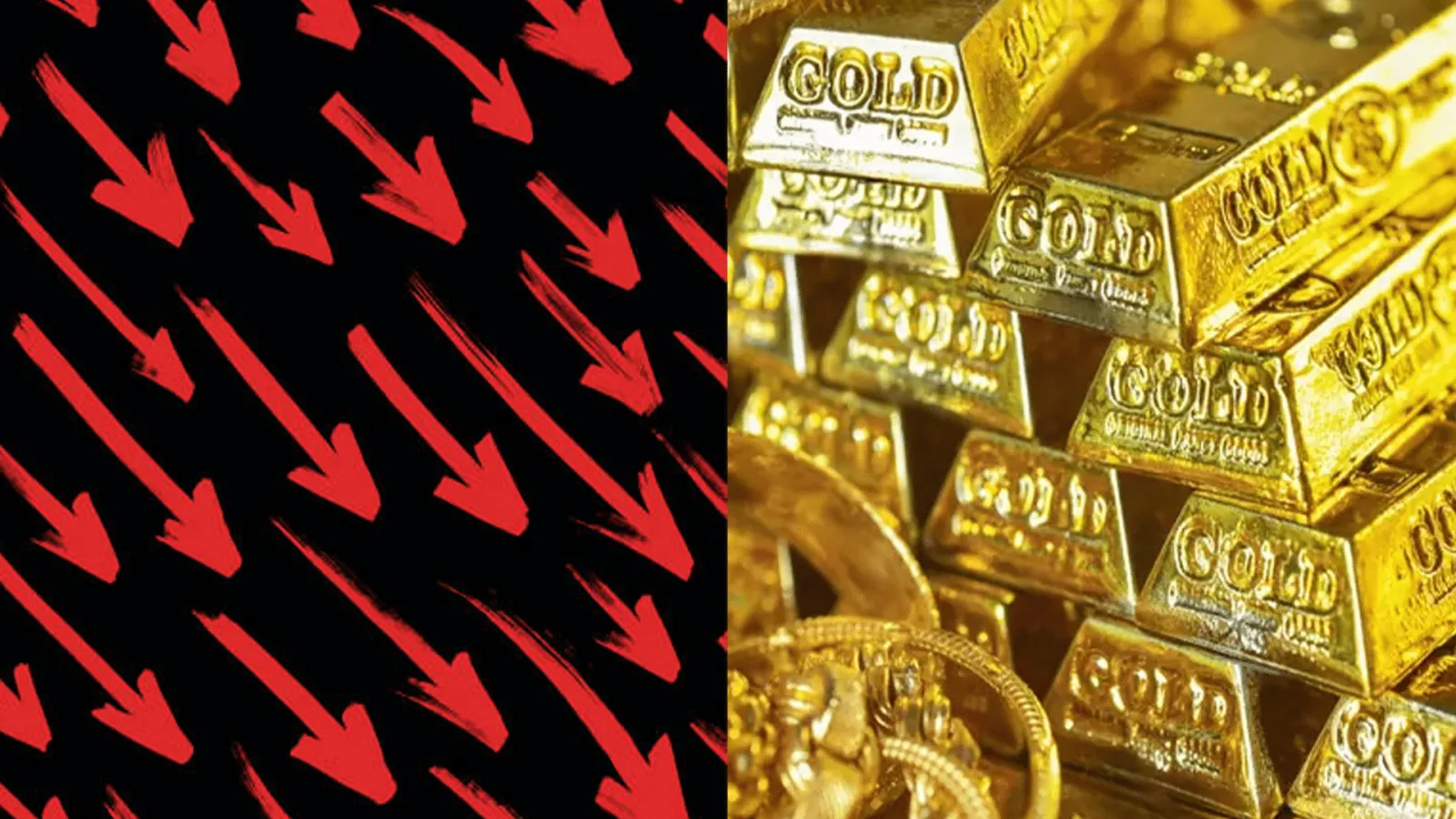
Gold Prices in Pakistan Record Massive Drop
Gold prices in Pakistan recorded another sharp decline on Friday, with the price of one tola falling by Rs. 15,400 to Rs. 379,836 in the local market. This sudden and steep reduction caught many local investors and buyers by surprise, bringing precious metal rates down to levels not witnessed in months. Market participants watched closely as trading floors reacted to rapidly shifting global economic indicators.
The massive decline came following a Houthi attack on Saudi capital Riyadh, which damaged a skyscraper housing the headquarters of the kingdom's sovereign wealth fund. International bullion markets reacted immediately to the security incident in the Middle East, triggering a chain reaction that quickly reached domestic Sarafa markets across Pakistan. Traders and analysts pointed to international sentiment shifts as the primary catalyst for the domestic price correction.
Gold was last seen at the Rs. 370,000 level on September 1, 2025. The return to these specific price tiers marks a notable reversal from the bullish trends that characterized the precious metal sector during preceding weeks. Investors who entered the market at recent historic highs found themselves evaluating their portfolios as values retreated sharply.
Details From the All-Pakistan Gems and Jewellers Sarafa Association
According to the All-Pakistan Gems and Jewellers Sarafa Association (APGJSA), the price of 10-gram gold also dropped by Rs. 13,203 to Rs. 325,648. The APGJSA serves as the authoritative body monitoring and releasing official bullion rates across the country, ensuring transparency for commercial transactions and retail buyers alike. Their daily rate sheets guide jewelers and financial institutions in pricing physical assets.
The latest reduction followed Thursday's Rs. 3,700 decline, taking the total drop in gold prices to Rs. 19,100 per tola over two consecutive sessions. This back-to-back depreciation created a volatile trading environment for domestic jewelers, who had to adjust their inventory valuations rapidly. Consumers flooded local markets to inquire about the sudden affordability of gold jewelry and bullion bars.
In the international market, gold prices fell by $154 to reach $3,573 per ounce. Because Pakistan imports a significant portion of its precious metal to meet domestic demand, local rates remain closely tied to per-ounce spot prices on global exchanges. Currency exchange rates and international supply dynamics further influence how quickly global drops translate into local market adjustments.
Decline in Silver Rates Across Local Markets
Silver prices also declined in Pakistan, with one tola becoming cheaper by Rs. 297 to reach Rs. 4,708. While gold often captures major headlines, silver remains an important industrial and retail precious metal for local artisans, manufacturers, and smaller investors. The parallel drop in silver reflects the broader correction across all safe-haven asset classes following the events in Riyadh.
Retail buyers often view silver as an accessible alternative when gold prices climb beyond reach. However, a simultaneous drop in both metals indicates a synchronized market movement driven by overarching macroeconomic and geopolitical shifts rather than isolated domestic demand. Jewelers reported heightened foot traffic as buyers evaluated whether to purchase silver at the newly reduced rate.
Understanding the Impact on Local Buyers and Investors
The sudden price contraction impacts various segments of the Pakistani economy, from individual households planning weddings to institutional investors holding bullion reserves. Families purchasing gold for traditional marriage ceremonies found immediate financial relief after months of record-high valuations that strained budgets. Conversely, retail investors who purchased gold at peak prices experienced temporary paper losses on their holdings.
Sarafa bazaars across major cities such as Karachi, Lahore, and Islamabad witnessed increased activity as bargain hunters rushed to secure physical gold. Market traders noted that sudden dips of this magnitude typically spur a wave of retail buying, as citizens view lower prices as an advantageous entry point for long-term savings. Financial planners advise retail buyers to consider overall market volatility before committing large sums to physical commodities.
Broader Economic Context and Global Market Influences
Precious metals traditionally act as a hedge against inflation, currency devaluation, and geopolitical instability. When conflicts erupt in major energy and financial hubs like Riyadh, global investment flows can pivot unpredictably between equities, currencies, and bullion. The Houthi attack on the Saudi sovereign wealth fund headquarters injected immediate risk premiums into regional security assessments, altering trader behavior worldwide.
Domestic gold rates in Pakistan are also influenced by the fluctuation of the local currency against the United States dollar. Even minor shifts in foreign exchange reserves and import regulations can amplify or dampen the impact of international price movements on local counters. The APGJSA continues to monitor these interlocking global and domestic variables to establish daily baseline prices for consumers and commercial dealers.
What Lies Ahead for the Bullion Market
Market observers and commodity analysts remain watchful as international authorities assess the structural damage and geopolitical fallout from the Riyadh incident. Further developments in Middle Eastern security or shifts in central bank monetary policies will dictate whether gold attempts to recover its lost ground or extends its downward correction. Local traders in Pakistan continue to advise caution, noting that precious metal markets remain susceptible to rapid sentiment reversals.
Consumers looking to buy or sell gold are encouraged to verify daily rate sheets issued directly by the APGJSA before conducting transactions. As trading sessions resume in international financial centers, domestic markets will likely experience continued adjustments reflecting the latest global spot prices. Staying informed on international news remains crucial for anyone participating in the local bullion sector.





