Understanding Telecom Consumer Complaints in Pakistan
The telecommunications sector in Pakistan serves millions of citizens daily, ranging from mobile data users to fixed-line internet subscribers. When users experience service disruptions, billing errors, or connection failures, they turn to regulatory bodies for help. The Pakistan Telecommunication Authority acts as the primary agency responsible for protecting consumer interests, monitoring service quality, and addressing grievances filed against telecom operators.
During October 2026, the regulatory body processed a substantial volume of consumer issues across different communication channels. According to official data released by the agency, officials received a total of 7,254 complaints against various telecom and cellular operators during the month. Out of these grievances, the administration successfully resolved 94.33 percent, demonstrating a strong commitment to consumer protection and service accountability within the national market.
The scope of these grievances covered multiple sectors within the industry. Users filed complaints against cellular mobile operators, Pakistan Telecommunication Company Limited, long-distance international operators, wireless local loop operators, and internet service providers. Because mobile subscriptions make up the vast majority of the overall telecom subscriber base in the country, the cellular segment naturally generated the highest volume of reported issues.
Jazz Tops the PTA Telecom Complaints Chart
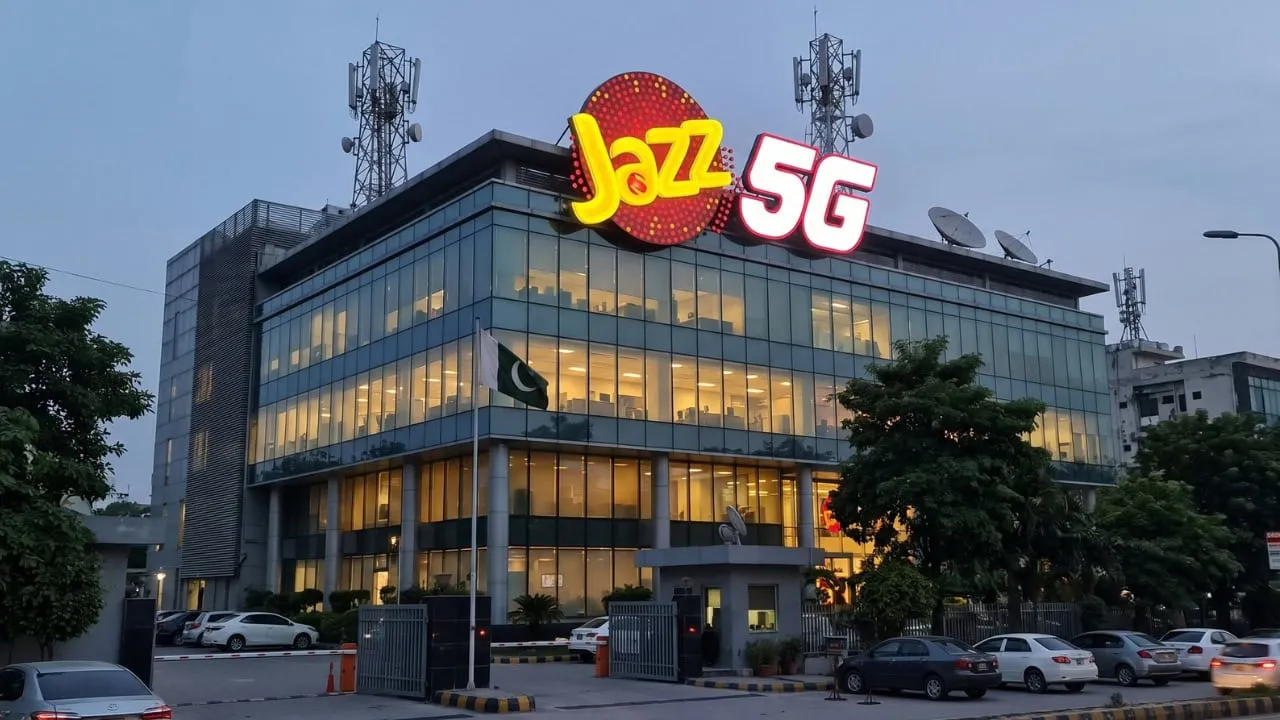
Within the cellular mobile sector, individual brands faced varying levels of consumer scrutiny. Brand-wise breakdowns for October 2026 show that Jazz received the highest number of telecom complaints among all operators in the country. Specifically, users lodged 3,112 complaints against Jazz during the month. Out of these, the company successfully addressed and resolved 2,944 issues, achieving a resolution rate of 94.60 percent.
Other cellular operators also handled significant consumer feedback during the same period. Zong received 1,167 complaints and successfully resolved 1,119 of them, resulting in a resolution rate of 95.89 percent. Telenor faced 1,158 complaints from subscribers, addressing 1,138 issues to attain a high resolution rate of 98.27 percent. Meanwhile, Ufone registered 932 complaints, resolving 872 of them for a resolution rate of 93.56 percent.
When combined, the cellular mobile operators segment accumulated a total of 6,405 complaints by October. Operators addressed 6,103 of those issues, reaching an overall resolution rate of 95.28 percent for the mobile sector. This high volume reflects both the heavy reliance of citizens on mobile networks and the active engagement of users in reporting service discrepancies to the regulator.
Internet Service Providers and Basic Telephony Resolution Rates
Beyond mobile networks, the regulatory administration tracks performance metrics for fixed-line telephony and internet service providers. Basic telephony services experienced a smaller share of grievances during the month. The agency received 144 complaints regarding basic telephony services in October. Of these, operators managed to address 127 issues, translating to an 88.19 percent resolution rate.
Internet service providers faced a larger volume of customer dissatisfaction compared to fixed-line telephony. ISPs received 705 complaints from users experiencing connection or bandwidth problems. Among these, the companies addressed 613 issues, which equaled an 86.95 percent resolution rate. While this rate sits slightly lower than the mobile sector, it still highlights active efforts by internet providers to rectify consumer problems.
A segment-wise review provides a clear picture of the entire industry landscape for the month:
- Cellular Mobile Operators received 6,405 complaints and addressed 6,103, achieving a 95.28 percent resolution rate.
- Internet Service Providers received 705 complaints and addressed 613, achieving an 86.95 percent resolution rate.
- Basic Telephony received 144 complaints and addressed 127, achieving an 88.19 percent resolution rate.
- Overall, the sector recorded 7,254 total complaints with 6,843 successfully addressed, yielding a 94.33 percent resolution rate.
How the Regulatory Complaint Process Works
The process of handling telecom grievances in Pakistan involves structured channels designed to bridge the gap between consumers and service providers. When a subscriber encounters a persistent issue with network coverage, data speeds, or billing, they can lodge a formal report directly through the regulatory portal, mobile application, helpline, or email. Once registered, the complaint receives a tracking number and is forwarded to the concerned operator for immediate review.
Operators are required to investigate the reported matter and provide a resolution within specified timeframes set by the administration. If a customer remains unsatisfied with the response from their provider, the regulator steps in to review the case further. This oversight mechanism ensures that telecommunication companies maintain accountability and strive to improve their service standards across the board.
The monthly data publications serve as a transparency tool for the public. By reviewing these performance metrics, consumers can evaluate the customer support reliability of different companies before choosing a service provider. The consistent tracking of resolution rates encourages healthy competition among operators to improve network quality and customer care responsiveness.
Impact on Telecom Consumers and Businesses
Efficient handling of consumer complaints plays a vital role in maintaining trust within the digital economy of Pakistan. As businesses and individuals rely more heavily on mobile internet and digital financial services, reliable telecommunication infrastructure becomes essential. Unresolved service issues can cause financial disruptions for remote workers, students, and commercial enterprises that depend on uninterrupted connectivity.
High resolution rates, such as the 94.33 percent overall mark recorded in October 2026, indicate that operators take regulatory oversight seriously. When companies promptly fix billing disputes and network outages, consumer confidence grows. This positive environment supports broader national goals regarding digital transformation and widespread internet adoption across urban and rural regions alike.
As the telecommunication sector continues to expand, maintaining high standards of consumer support remains a priority for both regulators and service providers. Subscribers are encouraged to continue using official channels whenever they encounter unresolved service failures, ensuring that accountability persists across all communication networks in the country.