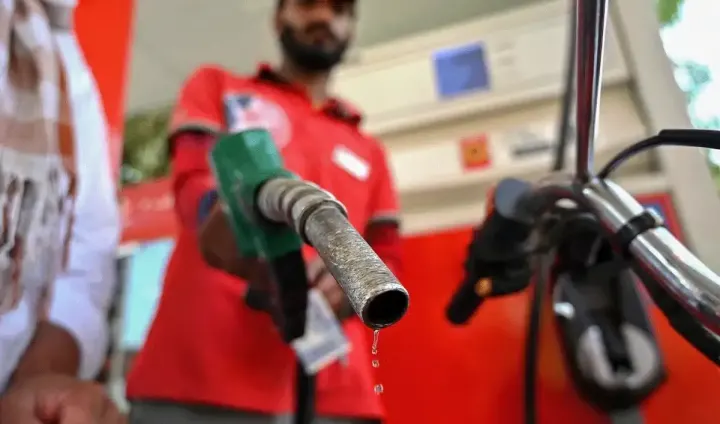
Another Reduction in Petrol Prices
Petrol prices have fallen by another Rs5.45, marking a further reduction after an earlier decrease. This latest adjustment brings a new wave of relief to consumers who have been grappling with high transportation and living costs. Fuel pricing adjustments directly influence the broader economy, touching everything from daily commuting expenses to the cost of moving goods across the region.
The latest decrease follows a previous cut that also adjusted rates downward. The supplied information does not specify the new petrol price or when the reduction takes effect. Market observers and daily commuters alike are awaiting official confirmation regarding the exact timeline for implementation at fuel stations.
Understanding Fuel Price Fluctuations
Fuel pricing mechanisms involve complex calculations tied to global crude oil benchmarks, exchange rates, and domestic tax structures. When international rates shift or government levies are adjusted, retail rates at the pump change accordingly. Authorities review these variables regularly to determine whether consumers should receive relief or face increased costs.
Previous adjustments set a precedent for the current downward trend. While the exact mechanics of this specific Rs5.45 reduction remain bound to official announcements, consecutive cuts usually point to favorable movements in underlying supply costs. Consumers and businesses monitor these shifts closely to manage their operational budgets and travel expenses.
Impact on Consumers and Transport Costs
Transportation forms a major part of household and commercial budgets. When petrol prices drop, the immediate effect is felt at service stations where motorists pay less to fill their tanks. Lower fuel expenses can reduce the overhead costs for public transport operators, delivery services, and private vehicle owners.
Businesses that rely heavily on fleets for distribution stand to benefit from reduced operational expenditures. While the official implementation date is pending, any decrease in fuel costs helps alleviate inflationary pressures on everyday goods and services. Lower transport overhead often translates to more stable pricing for consumer items that require transit.
What Comes Next for Fuel Rates
As the public awaits further details on the Rs5.45 cut, attention turns to regulatory authorities and oil marketing companies. Official notifications typically outline the revised retail rates and specify the exact hour the new pricing takes effect across fuel stations. Motorists are advised to check local service stations for updated price boards once the implementation timeline becomes clear.
Future trends in fuel pricing will depend on ongoing developments in global energy markets and domestic fiscal policies. Analysts will continue to track crude oil movements and government tax adjustments to anticipate subsequent pricing reviews. For now, the focus remains on absorbing the impact of this latest reduction and verifying when the new rates apply.