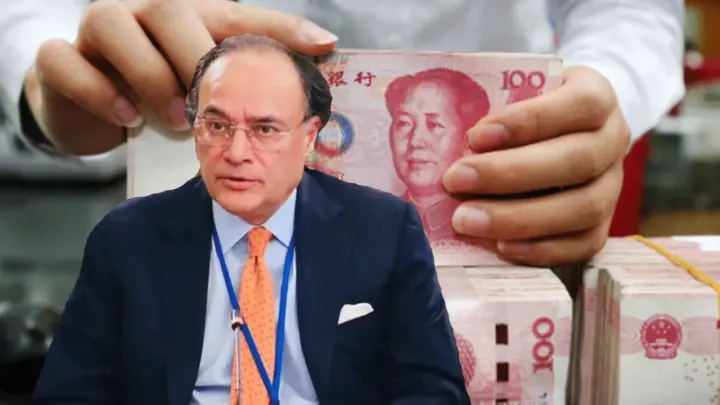
Authorities have mandated an evaluation of current medication pricing structures to guarantee equitable costs, cautioning that unjustified price bumps will face rejection. Economic Affairs Minister Ahad Cheema led a session with the Drug Regulatory Authority of Pakistan on Monday, instructing staff to speed up delayed pricing matters following updates that individual case assessments neared finalization. He additionally requested a system focused on patients that avoids placing undue obstacles on drug makers or importers.
Health Secretary Momin Agha, Drap Chief Executive Officer Dr Obaidullah Malik, and other high-ranking personnel participated in the gathering. Cheema recognized the advances achieved by Drap staff and thanked Climate Change Minister Dr Musadik Malik for finalizing the review.
Staff reported during the session that adequate amounts of the World Health Organisation-endorsed trivalent influenza vaccine exist in stores. Drap cancelled the hardship application for this vaccine since its costs are managed globally.
Drap is currently assessing the present pricing framework and looking into clauses that might block correct cost calculations. Cheema proposed joining specialized global drug pricing platforms to improve independent evaluations and offer dependable reference points. He noted that global cost comparisons help, but independent controls must back them.
Pharma Industry Seeks Input
The Pakistan Pharmaceutical Manufacturers Association requested that authorities involve the sector while the framework undergoes evaluation. PPMA Vice Chairman Usman Shaukat stated that producers share the official goal of maintaining accessible and reasonably priced treatments, mentioning that a transparent, predictable, and equitable system helps both consumers and makers.
Shaukat warned that availability and affordability connect directly, stating that unearned cost jumps are not the sole danger facing patients. He mentioned that growing expenses for active ingredients, packaging, power, shipping, and rules compliance, which rely heavily on imports and foreign currency, can render items unprofitable when costs stay frozen across years.
Such conditions might cause producers to stop manufacturing, triggering shortages and forcing consumers toward expensive foreign substitutes, illegal goods, or fake drugs.
The PPMA backed global references and independent platforms, provided the comparisons factor in local business expenses, loan costs, currency fluctuations, and relatively low domestic treatment costs.
Shaukat suggested that the updated framework feature a transparent, scheduled, rules-based system tied to inflation and expense changes, stopping hardship requests from piling up and pricing choices from facing multi-year delays.