Instagram began testing a 90-minute video format named Features, as announced by head Adam Mosseri and VP Tessa Lyons on October 26, 2026. This move contradicts years of public opposition to long-form video by Mosseri.
Mosseri admitted that he had opposed long-form video on the app for a long time.
"For a long time, I have been against doing long-form video on Instagram."
Rising watch time dominance by YouTube drove this change in strategy.
Initial testing started in Brazil earlier in the year, and a small group of US creators now has access. Meta plans wider distribution in coming months, targeting podcasters, comedians, interviewers, and other long-form content producers.
Features complements Reels instead of replacing them, letting creators slice eight short clips from a long video to post as Reels with links back to the original. A Series format is also being tested to group episodic Reels into dedicated topic sets.
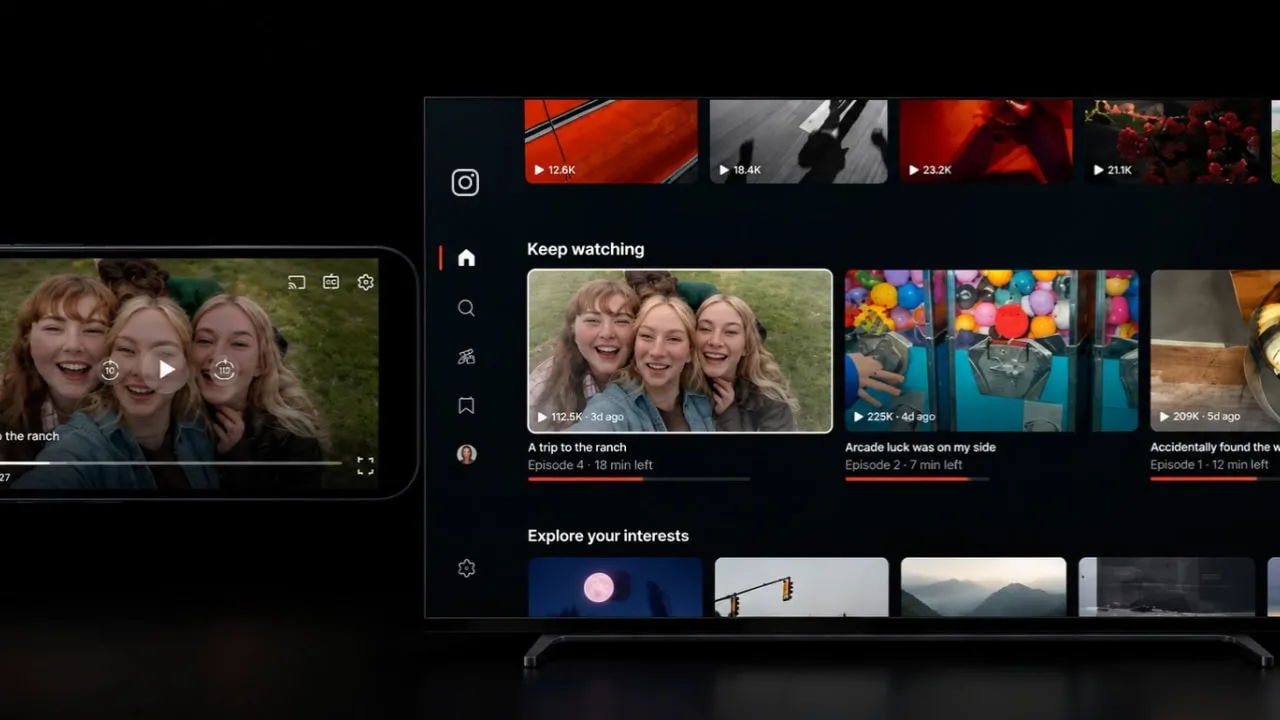
Connected TV is another focus, with the Instagram TV app launching on Apple TV in the US last December and phone-based remote control coming soon. Lyons noted that horizontal long-form video suits large screens best, while a two-year creator roadmap includes podcasts, live streams, and serialized mini-dramas on CTV.
Monetization remains a hurdle because YouTube pays $1 to $10 per 1,000 long-form views, while Instagram pays essentially zero without external brand deals. Top creators make $50,000 monthly on YouTube compared to $5,000 to $15,000 on Instagram.
A long-term revenue model is not ready yet, so the platform is looking at performance-based incentives, direct brand deals, and fan monetization. Mosseri stated that Features will remain non-exclusive, allowing creators to post identical videos on YouTube or TikTok.
Instagram previously launched IGTV as a separate app in 2018 and shut it down in 2022 due to low adoption. The company claims it learned from that failure by housing Features directly inside the main app.
YouTube remains the top US streaming provider with over one billion daily TV watch hours, and TikTok also uses microdramas and livestreams to drive watch time. Consequently, Instagram requires long-form video to compete for creator time and advertising income.
Numerous Pakistani podcasters, interviewers, and comedians currently publish content on YouTube and Instagram. Fixing the pay gap would allow these creators to run identical long-form content across both platforms, though Pakistani access will follow the US and other rollouts.