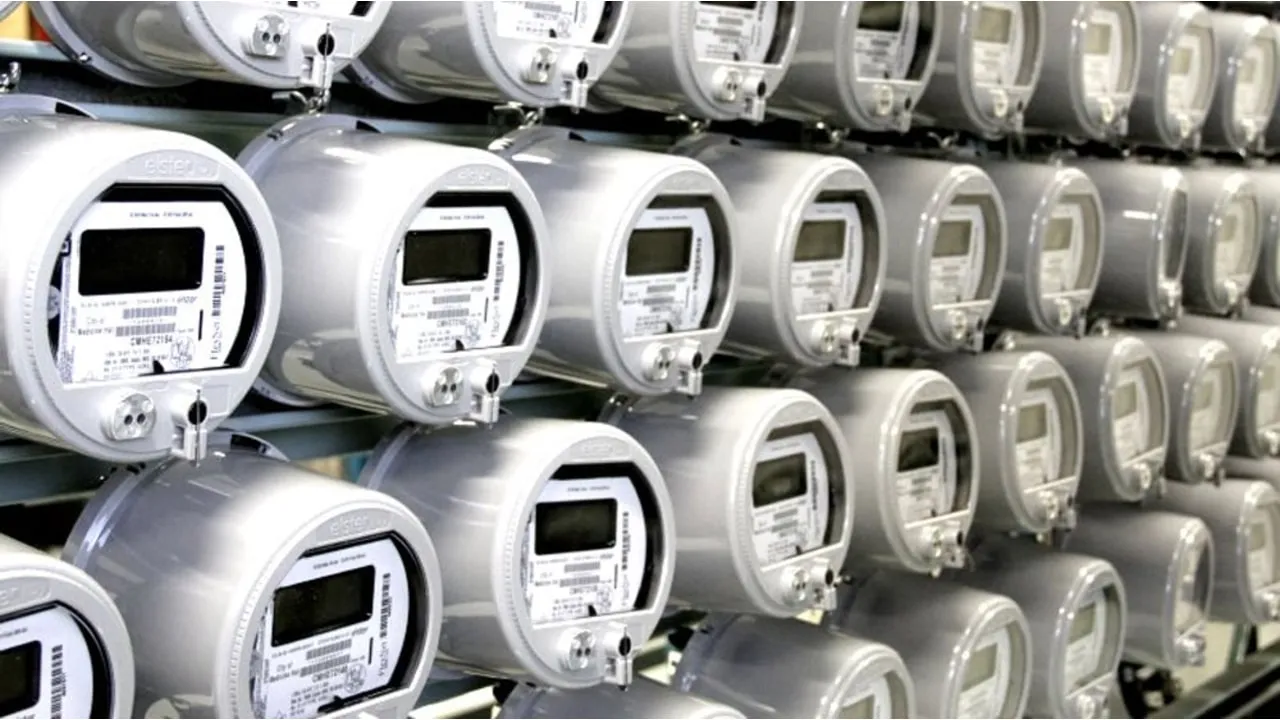
Government Plans Nationwide Smart Meter Rollout to Stop Electricity Theft
The government is planning a nationwide rollout of smart meters on transformers across all power distribution companies, seeking multibillion dollar financing from international development lenders to strengthen electricity monitoring, reduce power theft, and improve billing accuracy.
This major infrastructure initiative aims to overhaul the existing power distribution network. By targeting transformers directly, authorities hope to gain precise oversight of power flows and consumption patterns across different neighborhoods and industrial zones.
Meeting Chaired by Minister Ahad Cheema
The proposed initiative was discussed at a meeting chaired by Minister for Economic Affairs and Establishment Division Ahad Cheema on November 10, 2026. The meeting reviewed ongoing development programs for power distribution companies, with particular focus on efforts by the Economic Affairs Division to arrange financing for the installation of smart meters across the country's electricity distribution network.
During the session, officials evaluated the current state of power infrastructure and discussed logistical hurdles associated with deploying advanced metering technology on thousands of distribution transformers. The discussions marked a coordinated inter-ministerial approach to tackling chronic energy sector losses.
Government Seeks World Bank and Asian Development Bank Financing
According to an official announcement, participants were informed that progress had been made in arranging financing for the proposed smart metering system. The government plans to negotiate with the World Bank and Asian Development Bank to secure funding for its installation across the distribution network.
The proposed system is expected to help reduce electricity theft, improve billing accuracy, prevent overbilling, and protect the interests of consumers, investors, and the government. International lenders typically require stringent oversight and transparent procurement processes for such large scale grants or loans, which aligns with the stated goals of the administration.
Understanding Power Distribution Companies and Energy Losses
Power distribution companies, commonly known as DISCOs, form the final link in the electricity supply chain, purchasing power from generators and delivering it to end users. Across many developing power grids, these companies suffer from high losses due to illegal hooks, meter tampering, and collection inefficiencies.
Installing smart meters on transformers allows utility operators to measure the exact amount of electricity supplied to a specific local area and compare it with the sum of individual consumer readings. Any discrepancy highlights line losses or outright theft, enabling targeted enforcement actions by utility crews and law enforcement.
Smart Meter Project to Continue After Privatization
The meeting also discussed arrangements to ensure the project continues after the privatization of power distribution companies. Cheema said the government would establish mechanisms requiring private investors taking over distribution companies to continue the initiative.
He said negotiations with multilateral development partners on financing and development programs would continue until the privatization process is completed. If a power distribution company is privatized while negotiations or project preparations are underway, the relevant financing and development programs will be transferred to the private investor as part of the handover, subject to agreed arrangements.
Private Projects Must Follow Competitive Bidding
Cheema also stressed that any new project undertaken by a private investor within a power distribution company must go through competitive bidding and secure approval from the National Electric Power Regulatory Authority, where required.
He said privatization should not result in shifting costs or placing an undue financial burden on consumers. The government would support the process while protecting consumer interests and ensuring that investors meet their financial and contractual obligations.
Key Officials Involved in the Power Sector Review
Minister for Power Division Sardar Awais Ahmad Khan Leghari, the prime minister's adviser on privatization, and senior officials from the relevant ministries also attended the meeting. Their presence underscored the cross-departmental coordination required to align privatization timelines with capital upgrade projects funded by international financial institutions.
The involvement of the Power Division ensures that technical specifications for the smart meters meet national grid standards. Meanwhile, the privatization commission oversees how these capital assets transition into private hands without disrupting ongoing development loans.
Consumer Protection and Billing Accuracy
For ordinary citizens, faulty billing and administrative overreach have long been sources of frustration. The integration of digital monitoring aims to eliminate estimated billing practices that often penalize honest paying customers for system losses they did not cause.
By preventing overbilling and ensuring transparent consumption records, the smart metering initiative seeks to restore public trust in utility providers. The government maintains that consumer welfare remains a central pillar of the reform agenda, even as private entities assume operational control of regional grids.
What Lies Ahead for the National Power Grid
As negotiations with the World Bank and the Asian Development Bank proceed, the next phase involves finalizing loan agreements and drawing up technical tender documents. Regulatory reviews by the National Electric Power Regulatory Authority will follow to establish tariff adjustments and capital expenditure approvals for the participating utilities.
Observers will monitor how effectively the state manages the dual tracks of network modernization and corporate privatization. The ultimate success of the program depends on strict adherence to competitive bidding rules and transparent execution by both public officials and incoming private operators.





