Uzbekistan Approves Pakistani Kinnow Exporters for New Trade Season
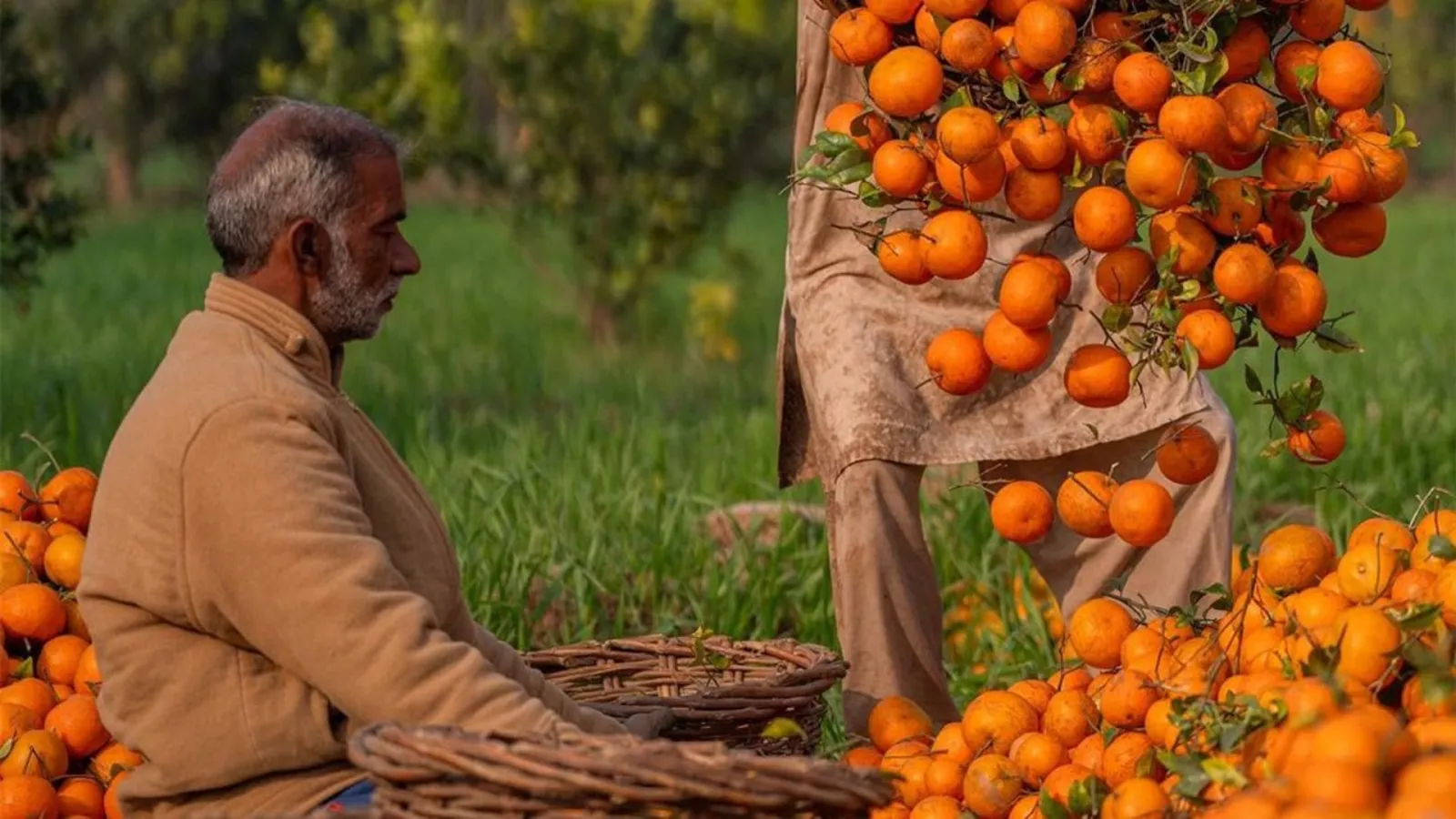
Uzbekistan has approved 184 Pakistani kinnow exporters and 39 packing facilities to access its market ahead of the upcoming citrus export season, opening a fresh destination for Pakistani fruit exporters as trade disruptions with Afghanistan continue.
The approval, announced by the government on Tuesday, allows exporters registered with Pakistan's Department of Plant Protection to enter the Uzbek market, subject to meeting the required regulatory and phytosanitary standards. This diplomatic and commercial milestone creates a direct pathway for agricultural producers in Pakistan to ship their citrus goods into Central Asia.
The move is expected to provide much-needed relief to Pakistan's citrus exporters, who have faced repeated setbacks in recent months due to border and trade frictions with Afghanistan, traditionally one of the largest buyers of Pakistani kinnow. Access to Uzbekistan offers exporters an alternative market at a crucial time, just as the new citrus season approaches.
Afghanistan Border Closure Drives Market Diversification
The development comes as Pakistan's traditional fruit trade with Afghanistan has remained disrupted since October 2025. Afghanistan has historically been a major destination for Pakistani agricultural exports, particularly kinnow and mangoes, serving as the primary overland transit route for regional commerce.
Longstanding border closures and transit disputes have left producers with excess perishable inventory and shrinking revenue streams. Finding new international buyers has therefore become an urgent priority for industry stakeholders and trade planners seeking to protect agricultural incomes.
The Uzbek market approval is expected to create additional export opportunities for Pakistani kinnow producers and strengthen the country's presence in Central Asia. By establishing footholds in new jurisdictions, agricultural businesses can insulate themselves against sudden geopolitical disruptions and regional border tensions.
Diplomatic and Institutional Efforts Behind the Uzbek Trade Deal
The approval follows coordinated diplomatic and technical efforts involving the Ministry of Commerce, the Trade Development Authority of Pakistan, the Ministry of National Food Security and Research, and the Department of Plant Protection. These government bodies worked in tandem to satisfy the strict plant health regulations demanded by importing nations.
Pakistan's Trade and Investment Counsellor in Uzbekistan and the country's embassy in Tashkent also contributed to the efforts by engaging directly with regulatory agencies in Tashkent. These negotiations ensured that local packaging standards and phytosanitary protocols met the legal requirements of the Central Asian state.
The government said it appreciated Uzbekistan's cooperation and remained committed to expanding bilateral trade through greater agricultural market access. Officials hope this agreement serves as a foundation for broader economic cooperation and future commodity exchanges between the two nations.
Phytosanitary Standards and Regulatory Compliance for Exporters
Exporters wishing to use the newly opened corridor must maintain strict adherence to quality control measures established by plant health authorities. The Department of Plant Protection acts as the primary domestic gatekeeper, ensuring that only certified packing facilities handle fruit destined for Tashkent and other cities.
Phytosanitary certification guarantees that shipments remain free from pests and diseases, protecting the importing country's agricultural ecosystem. Meeting these technical benchmarks requires significant investment in sorting, grading, and cold storage infrastructure by local packing houses.
Industry participants who successfully navigate these compliance procedures gain entry into a growing consumer base within Central Asia. The inclusion of 39 specific packing facilities ensures that initial shipments will maintain high standards of quality upon arrival.
Economic Impact on Pakistan Citrus Growers and Local Economy
Citrus farming constitutes a major segment of the agricultural economy in Pakistan, generating seasonal employment for thousands of harvesters, transporters, and processing plant workers. Maintaining steady export demand prevents domestic market gluts that drive down prices for smallholder farmers.
Diversifying export destinations stabilizes foreign exchange earnings and supports rural livelihoods in major growing regions across Punjab and other provinces. Regional trade expansion also encourages investment in modern cold chain logistics and post-harvest technology across the agricultural sector.
As the citrus export season gets underway, industry associations will monitor shipment volumes and logistical efficiency through the new Central Asian trade routes. Continued institutional support will remain vital as businesses adapt to the requirements of the Uzbek market.





