Peshawar Plans Fixed Routes and Timings for Bike Ride-Hailing Services
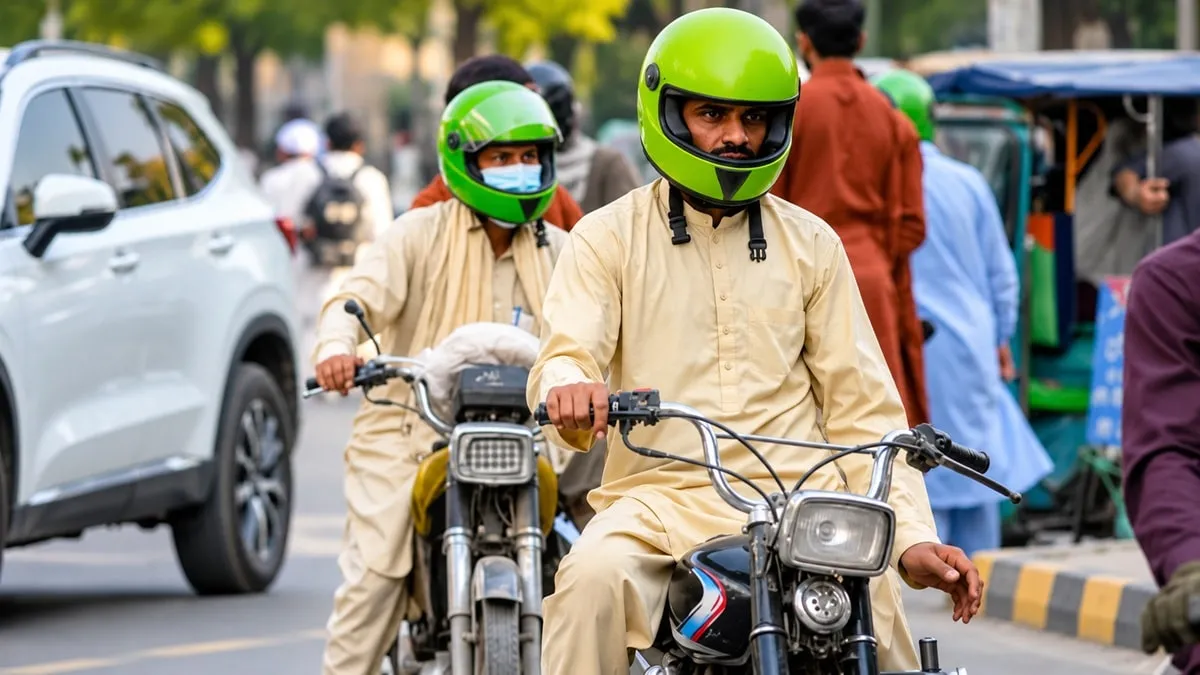
The Peshawar administration is planning to introduce designated routes and fixed operating hours for motorcycle ride-hailing services as part of new measures to regulate bike riders across the city. This regulatory push marks a significant shift in how urban transport authorities manage two-wheeled commercial transit within the municipal boundaries. City officials aim to bring order to a rapidly growing sector that has operated with minimal oversight until now.
According to the Commissioner's Office, the proposed regulations will also make rider registration mandatory and introduce a code of conduct to improve traffic management and bring motorcycle ride services under a formal legal framework. The administration seeks to balance urban safety with the economic needs of drivers who rely on these platforms for their daily livelihood. Authorities want to ensure that public safety standards are met without disrupting the flow of urban commerce.
How the New Peshawar Traffic Regulations Will Work
The Peshawar commissioner has directed relevant authorities to prepare detailed proposals outlining the new rules and procedures for regulating bike riders. These proposals will form the backbone of the upcoming policy framework, dictating how operators and individual drivers interact with municipal authorities. The planning phase requires inter-departmental coordination to establish practical guidelines that can be enforced effectively on busy city streets.
The administration also plans to develop a dedicated mobile application to manage rider registration and other related activities. This custom digital platform will serve as a centralized registry for all active motorcycle operators in the city. By consolidating data through an official app, the local government hopes to maintain accurate records and monitor compliance with the newly established operating hours and designated routes.
Timeline and Next Steps for Bike Ride-Hailing Rules
Officials have been given one week to submit their proposals for the regulatory framework. This tight deadline highlights the urgency with which the local administration wants to address urban transit challenges and implement the new supervisory measures. Once the proposals are submitted and reviewed, the city government is expected to announce the next phases of policy implementation.
The Commissioner's Office clarified that the initiative is not intended to leave bike riders unemployed. Instead, the proposed measures aim to organize their operations, provide legal protection, and allow them to continue working under a regulated system. Officials emphasize that the framework is designed to support legitimate workers by giving them official status and reducing friction with traditional transport operators and traffic police.
Background of Motorcycle Transport in Urban Centers
Urban motorcycle transport has expanded rapidly across major cities in recent years, driven by the need for affordable and flexible commuting options. In dense urban environments, motorcycles navigate heavy traffic congestion more efficiently than cars or buses, making them popular among daily commuters. However, this rapid expansion often outpaces municipal infrastructure and regulatory mechanisms, leading to concerns about traffic safety and public order.
Local administrations frequently face challenges in monitoring commercial riders who operate through digital platforms without local licensing. Traffic management authorities often cite unregulated parking, sudden stops to pick up passengers, and disregard for lane discipline as major issues contributing to road congestion. By introducing formal registration and specific operating parameters, the Peshawar administration is attempting to integrate these modern transport modes into traditional urban planning.
Impact on Drivers, Commuters, and Digital Platforms
The transition to fixed routes and scheduled operating hours will directly affect independent drivers who currently enjoy the flexibility of accepting rides anywhere at any time. While mandatory registration and adherence to specific corridors may restrict spontaneous trips, proponents argue that formal recognition brings long-term benefits. Legal protection and structured operations can reduce harassment, clarify liability in case of accidents, and establish a professional standard for the industry.
Commuters who rely on bike ride-hailing services for daily travel may experience changes in wait times and service availability depending on how routes are mapped out. Digital platform operators will also need to adapt their software and dispatch algorithms to comply with Peshawar municipal rules. Companies offering these services must ensure their registered fleets align with the new geographic and temporal limits set by the city administration.