Punjab Food Authority Cracks Down on Counterfeit Spice Manufacturing in Faisalabad
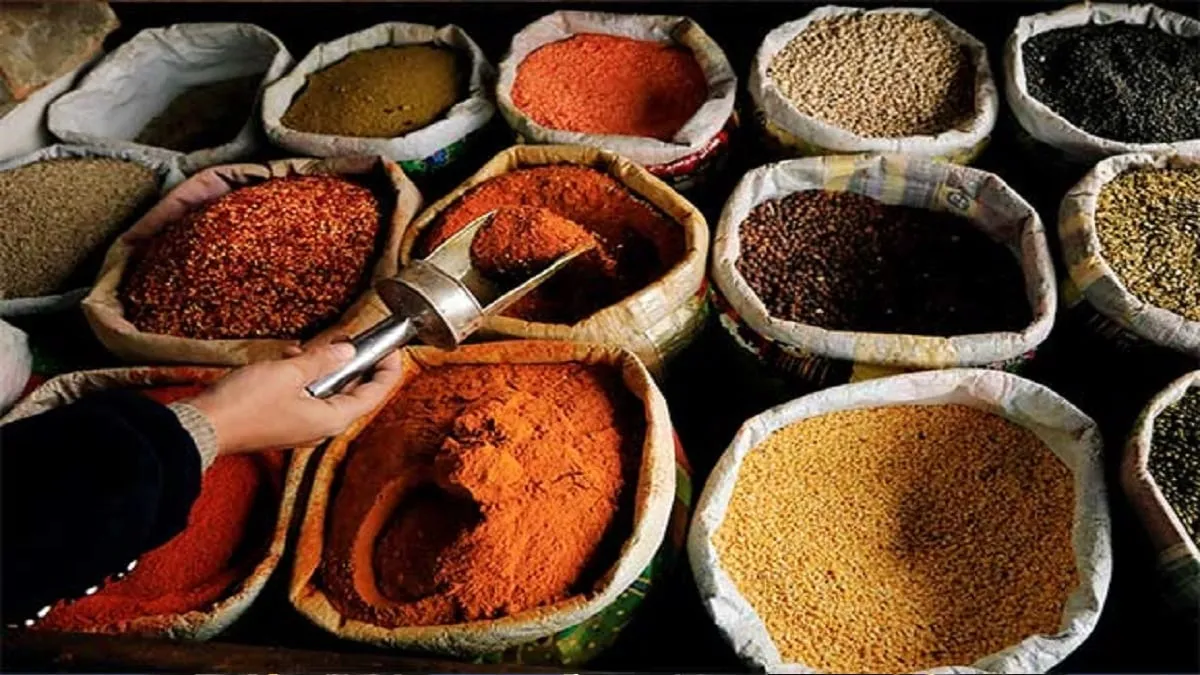
The Punjab Food Authority uncovered the alleged production of fake spices using plaster of Paris during a major crackdown on food adulteration and counterfeit products in Faisalabad. Food safety enforcers moved swiftly across the city to target illicit operations that put public health at severe risk. Authorities seized large quantities of hazardous materials during these surprise inspections, targeting production sites that disguised industrial substances as everyday kitchen ingredients.
Punjab Food Security Minister Salma Butt supervised the operations, during which inspection teams raided several factories and warehouses across the city. The presence of a provincial minister at the sites highlighted the gravity of the food safety crisis and the government urgency to halt the distribution of toxic products to consumers. Enforcers worked alongside local law enforcement to secure the premises and document the illegal manufacturing processes found inside.
How Plaster of Paris Was Used to Manufacture Fake Spices
During a raid on a factory at the 7th Mile on Jhang Road, officials claimed that fake black pepper, celery, and kalonji were being manufactured using plaster of Paris. The inspection team recovered 1,000 kilograms of plaster of Paris and other harmful ingredients from the site, and officers registered a formal case against the responsible parties. Plaster of Paris, typically used in construction and sculpture, mimics the weight and texture of certain ground spices when pulverized, making it a dangerous and deceptive additive for unscrupulous producers seeking cheap filler materials.
The use of such industrial waste products in food items poses severe health risks to the unsuspecting public. Ingestion of construction plaster can lead to heavy metal poisoning, severe gastrointestinal blockages, and long-term internal organ damage. The discovery at the Jhang Road facility alarmed health specialists who warn that continuous consumption of these adulterated condiments destroys digestive health and introduces toxic chemical residues into the human body.
Raid on Guru Nanakpura Unit Uncovers Counterfeit Packaging
In another operation in Guru Nanakpura, authorities sealed a unit allegedly producing substandard spices and counterfeit packaging of a well-known brand. The owner of the unit was arrested on the spot, and a case was registered at the local police station. Counterfeit packaging operations allow illegal manufacturers to deceive buyers completely, as the fake goods mimic legitimate commercial brands down to the last detail on the label.
Similarly, inspection teams seized fake cream packets and spice packaging from a warehouse in the grain market and arrested its owner. These secondary raids show that the counterfeit network extended beyond manufacturing to include packaging and distribution hubs. By cutting off these supply chains, enforcers hope to dismantle the entire infrastructure supporting the sale of tainted provisions in the region.
Expanding Government Inspections to Hidden Manufacturing Facilities
Speaking to the media during the crackdown, Butt said the government would continue taking action against manufacturers of adulterated and counterfeit food products. She added that inspections were being expanded to small residential units, warehouses, and hidden manufacturing facilities. Illegally produced foodstuffs often originate in unmarked residential basements or remote sheds where regulatory oversight is difficult to maintain without targeted neighborhood complaints.
The provincial administration faces an ongoing challenge in tracking down mobile and hidden adulteration units. Authorities rely heavily on local intelligence, worker tips, and consumer grievances to locate these clandestine workshops. Inspectors now carry portable testing kits and coordinate closely with district administrations to cover urban and semi-urban boundaries thoroughly.
Flour Quality Checks and Strict Warnings to Local Mills
The minister also reviewed the availability and quality of government flour in Faisalabad during her visit. Following a consumer complaint, she ordered laboratory testing of a flour sample and directed officials to submit the results within 24 hours. Ensuring the purity and availability of subsidized staple goods remains a key priority for the provincial food department as inflation impacts household budgets.
She warned that flour mills supplying substandard flour in exchange for government wheat could have their licenses canceled. Government flour is currently available at 678 shops across the city, with supplies being increased daily to meet public demand. Mills that misuse subsidized grain intended for public welfare face immediate legal penalties and loss of operational permits.
Broader Provincial Efforts Against Milk Adulteration
Butt further revealed that millions of liters of adulterated milk had been discarded across Punjab over the past year, while thousands of cases were registered and fines worth millions of rupees were imposed. Dairy adulteration remains one of the most persistent food safety issues in the province, with unscrupulous suppliers frequently adding contaminated water, urea, and chemical detergents to stretch milk volumes.
She said the government was introducing a milk pasteurization system and drafting legislation to strengthen action against food adulteration. The upcoming legal framework aims to close existing loopholes that allow repeat offenders to return to the market after paying minor financial penalties. Comprehensive pasteurization mandates will require commercial dairies to treat milk before sale, drastically reducing the transmission of waterborne pathogens and dangerous chemical additives.