How Charlie Austin Became an Accidental Internet Sensation
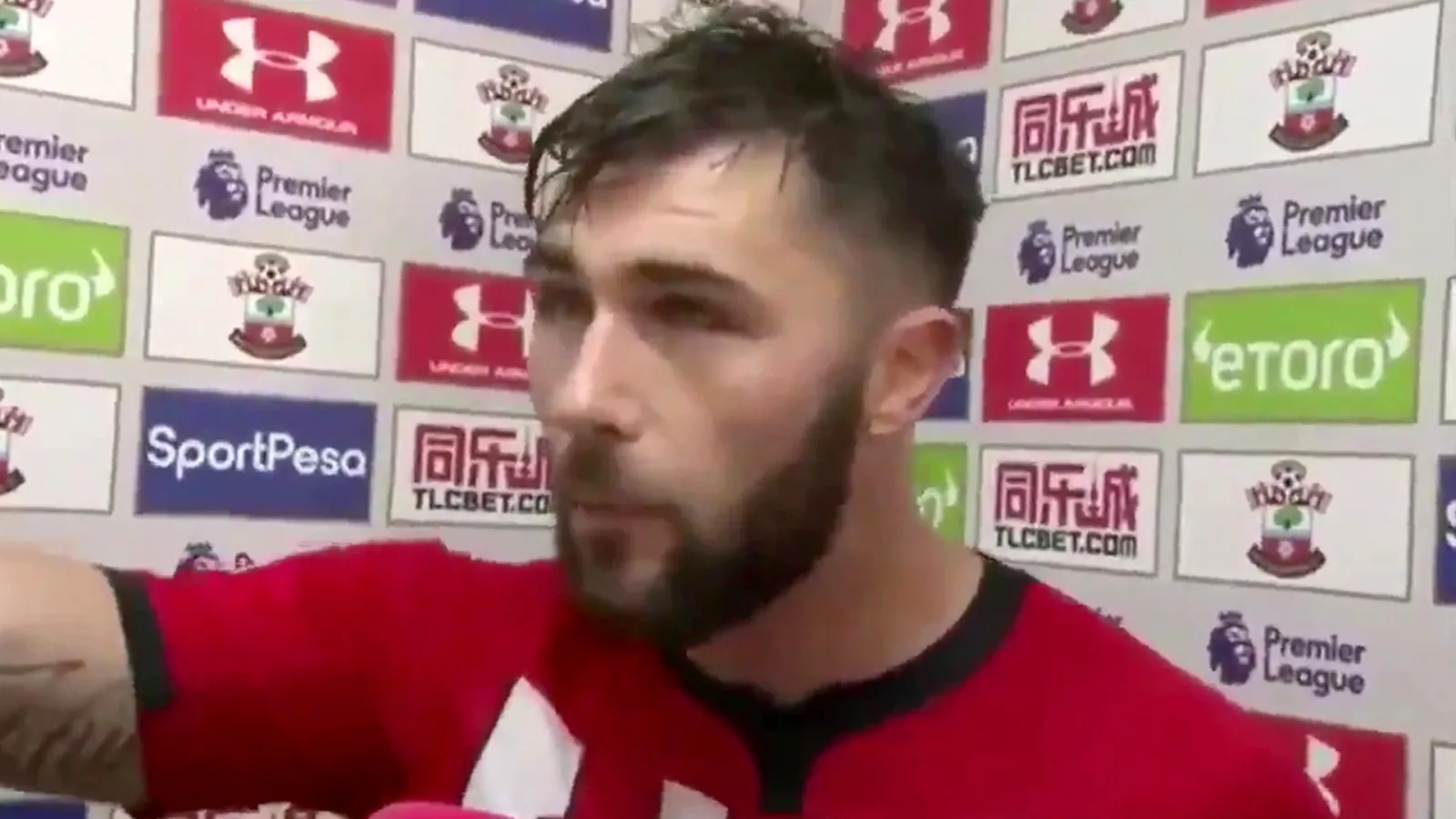
For former Premier League striker Charlie Austin, becoming a viral internet meme was a bizarre chapter that unexpectedly shaped his professional trajectory after football. The comical clip began circulating in 2018 after a tech-savvy fan got hold of Austin is furious post-match interview following Southampton is 1-1 draw with Watford. At the time, the forward had a goal chalked off for a questionable offside that would have put his side 2-0 up, before the Hornets bagged a late equaliser.
The resulting tirade captured the raw frustration of professional sport, but it was the unique cadence of his speech that caught the public imagination. Unfortunately for Austin, the tone of his rant went perfectly with the Parklife backing track which someone had dubbed over the top. Before he knew it, Austin was all over social media accidentally doing an impression of Phil Daniels is verses on Blur is 1994 anthem.
The Origins of the Famous Southampton Post-Match Rant
The viral moment stemmed from high stakes and deep personal frustration on the pitch. Austin explained his state of mind during that period, noting that he was coming off the bench and desperately wanted to start matches and boost his confidence. When the referee disallowed his goal, the emotional pressure boiled over into an unforgettable television broadcast.
He ranted at the time, stating that the situation was ridiculous and that the officials cost his team two points. He questioned the standards of the competition, arguing that if it is the best and most-watched league in the world, officials need all the help they can get. Looking back at the footage, Austin noted that he had a black eye at the time, which added an even more dramatic visual element to his red-faced fury as he picked up serious pace while talking.
Transitioning From Professional Football to Media Work
Now active in non-league football since 2024 while balancing media commitments, Austin views the viral video through a surprisingly positive lens. While many athletes might shy away from moments where they lost their temper on camera, Austin reckons his famous outburst actually helped him move into punditry. It demonstrated to broadcasters and viewers that he possessed a vibrant personality, confidence, and the willingness to speak his mind on air.
The transition from playing to broadcasting is notoriously difficult for many former athletes, who often struggle to project personality through television screens. By showing unscripted emotion and authenticity, even through an accidental musical parody, Austin inadvertently proved his television viability. Media organisations constantly search for analysts who can break down matches without relying on tired clichés, and the viral clip proved the former striker possessed natural on-camera energy.
How the Viral Meme Follows Charlie Austin Today
Years after the initial broadcast, the internet refuses to let the clip fade away. Austin admits that easily once or twice a week he gets sent the video on Instagram by amused supporters. While he acknowledges that watching it can sometimes feel cringy, prompting him to wish he could just tell himself to shut up, he ultimately appreciates the humor behind it.
The seamless synchronization with the Blur track remains a masterclass in internet culture that even the subject cannot ignore. He notes that the way the audio syncs into his speech is quite funny, admitting that anyone who failed to find amusement in the edit would simply be missing the point. Embracing the joke has allowed the former forward to laugh at himself alongside the fans rather than taking the viral moment as a source of embarrassment.
The Broader Impact of Internet Culture on Modern Athletes
The intersection between professional sports and viral social media content has grown increasingly pronounced over the past decade. Athletes live under constant observation, where every post-match reaction or emotional interview can instantly be remixed into entertainment. While this creates new pressures for competitors who must monitor their public demeanor, it also opens unexpected doors for those with distinct personal brands.
For Austin, an impulsive television rant transformed into a lasting digital footprint that continues to pay dividends in his broadcasting career. By refusing to hide from the meme and instead leaning into the humor of the situation, he turned a moment of pure sporting frustration into a unique professional asset in the media landscape.