Punjab Safe Cities Authority traced the family of a Bangladeshi woman who had been separated from her relatives for 40 years, reuniting her with her son and nephew in Bangladesh.
The woman, identified only as Halima, was discovered alone in Islamabad in 2013. Because she could not speak Urdu, she was unable to give details about her identity or family, prompting authorities to place her in temporary shelter.
How Halima Came to Islamabad and Why She Was Isolated
Halima arrived in Islamabad under circumstances that remain unclear. She was found wandering the city streets without any documentation, and her lack of Urdu made communication with local officials extremely difficult. In Pakistan, language barriers often hinder the identification process for foreign nationals, especially when the individual cannot produce a passport or other legal papers.
After being located, the Safe Cities team transferred her to an Edhi Center, a well-known charitable organization that provides emergency accommodation and basic services to people in distress. The Edhi Center has a long history of sheltering migrants, victims of natural disasters, and those displaced by conflict.
Role of the Punjab Safe Cities Authority in the Search
The Punjab Safe Cities Authority (PSCA) operates a network of surveillance cameras, command-and-control rooms, and data-analysis tools across major cities in the province. Its mandate includes crime prevention, traffic management, and emergency response coordination. In Halima's case, the PSCA's spokesperson confirmed that the team continued efforts to locate her relatives through coordination with local authorities.
Using the limited information Halima could provide, namely the name of her ancestral village and the names of family members, the PSCA initiated a multi-step verification process. First, analysts cross-checked the village name against a database of Bangladeshi settlements. Next, they matched the family names with public records and social-media profiles in Bangladesh.
Cross-Border Cooperation Between Pakistan and Bangladesh
The investigation required cooperation from Bangladeshi officials. The PSCA reached out to the Bangladeshi High Commission in Islamabad, which then coordinated with relevant ministries in Dhaka. This diplomatic channel is standard practice when a foreign national is involved in a humanitarian case.
Bangladeshi authorities confirmed the existence of a son and a nephew who had been searching for Halima for years. They provided photographs and contact details, which were relayed back to the PSCA team in Pakistan.
Breakthrough and Reunion
The breakthrough came after years of separation, when the details Halima gave about her ancestral village and family members helped officials establish contact with her relatives. The PSCA spokesperson said the team "eventually traced her son and nephew in Bangladesh."
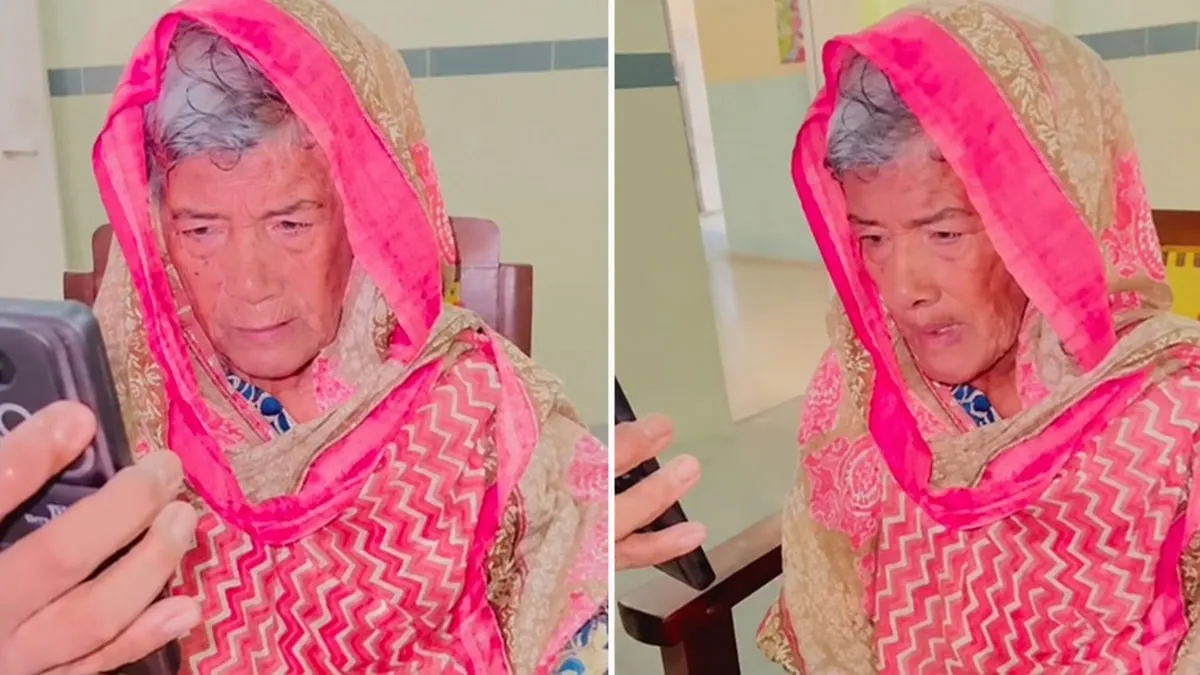
Following verification, the Safe Cities team arranged for a video call between Halima and her family. The call, conducted through a secure platform, allowed the relatives to confirm visual identity and share emotional reactions. Arrangements are now underway for Halima to travel to Bangladesh, pending the issuance of travel documents and visas.
Why This Case Matters for Safe-City Initiatives
This reunion highlights the broader utility of safe-city infrastructure beyond crime prevention. Surveillance footage, data-analytics platforms, and inter-agency coordination can be repurposed for humanitarian outcomes. The PSCA's ability to maintain a case file for over a decade demonstrates the durability of its record-keeping system.
Experts note that many migrant and refugee cases remain unresolved because of fragmented data and lack of cross-border channels. The Halima case provides a template for how technology and diplomatic outreach can converge to resolve long-standing family separations.
Impact on the Community and Future Cases
For the Bangladeshi diaspora in Pakistan, the story offers reassurance that authorities are willing to assist vulnerable individuals, even after many years. Local NGOs, such as the Edhi Foundation, have praised the PSCA's persistence, saying it sets a precedent for future collaborations.
Human-rights groups have called for clearer protocols to assist non-Urdu-speaking foreigners who find themselves in similar situations. They argue that a formalized procedure could reduce the time individuals spend in temporary shelters and improve access to legal aid.
Next Steps and What to Watch For
Halima's travel arrangements are expected to be finalized within the next few weeks. Pakistani officials will need to issue a travel permit, while Bangladeshi authorities will process a visa. Both governments have indicated that they will expedite the paperwork given the humanitarian nature of the case.
Observers will watch for the official reunion ceremony, which is likely to be covered by regional media. The PSCA has said it will document the process as a case study for internal training.
Practical Takeaways for Readers
If you encounter a foreign national who cannot communicate in Urdu, contact the nearest police station or a recognized charitable organization such as the Edhi Foundation. Providing any details about the person's origin, village name, or family members can be critical for later identification.
For NGOs working with migrants, maintaining detailed records and establishing contacts with diplomatic missions can dramatically improve outcomes in long-term missing-person cases.