Huawei Mate X8 Launch Date and Expected Release Details
Technology markets are closely watching developments from China regarding the next major foldable smartphone release from Huawei. Reports indicate that the company plans to introduce the Mate X8 on November 24. While the manufacturer has not yet issued an official confirmation, supply chain sources and industry insiders point to this late November window for the public debut.
This upcoming model follows a lineage of foldable devices that have established the brand as a primary competitor in the high-end mobile sector. Previous iterations such as the Mate X5, Mate X6, and Mate X7 set high benchmarks for engineering foldable screens. Analysts tracking the mobile industry note that each release brings incremental improvements in durability and weight distribution.
Consumer interest in foldable phones continues to grow as manufacturers refine hinge mechanisms and reduce visible screen creases. The rumored November timeframe places the device in a competitive sales period ahead of end-of-year shopping cycles. Observers expect further announcements from the manufacturer as the rumored date approaches.
Design Improvements and Color Options
Engineering teams have reportedly focused heavily on physical dimensions for the new hardware. The Mate X8 is expected to be thinner and lighter than its predecessors, addressing common consumer feedback regarding the bulkiness of dual-screen mobile devices. Reducing the thickness requires advanced materials and tighter integration of internal components.
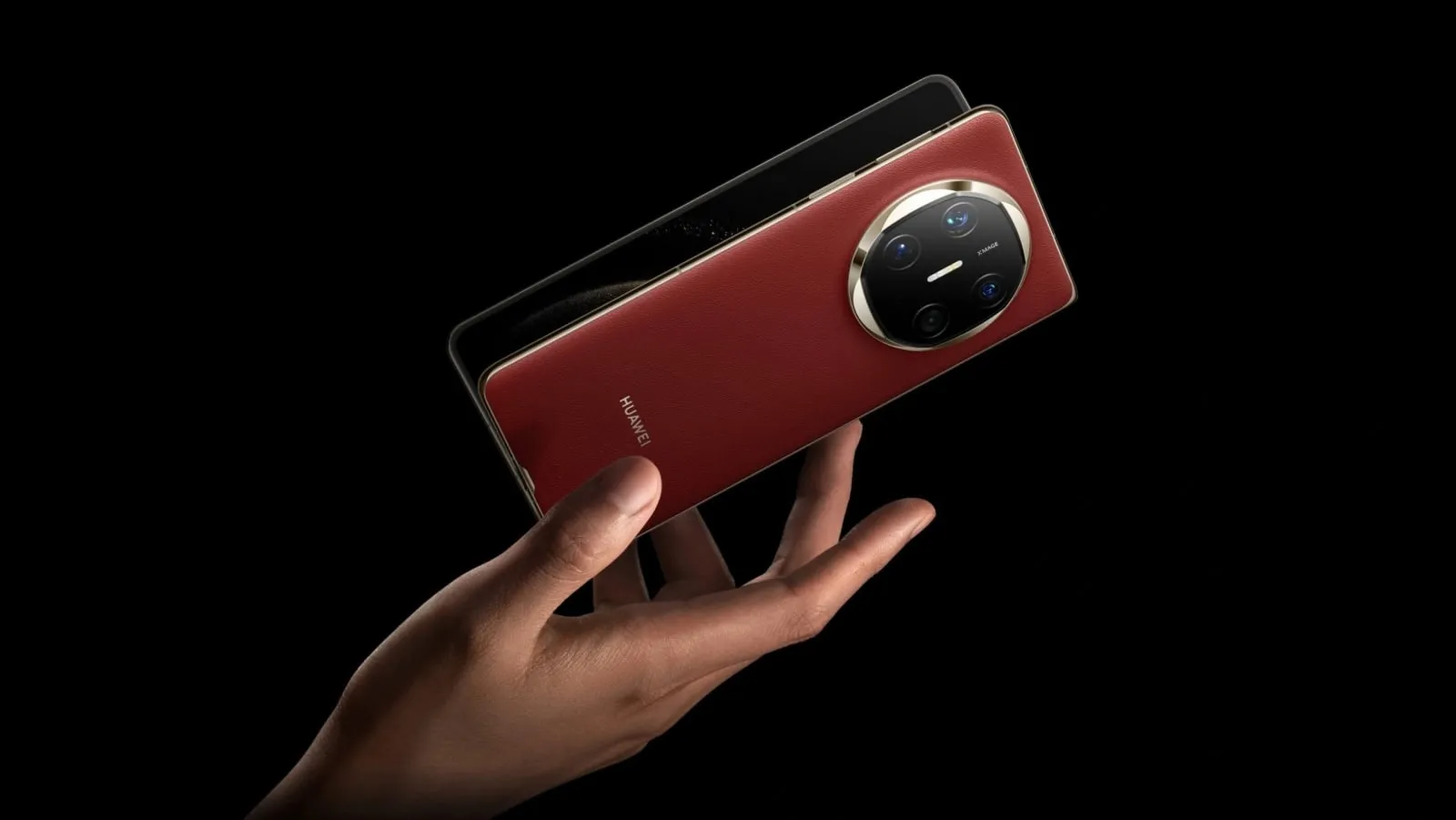
Aesthetic choices will likely maintain familiarity while introducing fresh options for buyers. The device may retain the color choices introduced with the Mate X7, preserving popular finishes from the previous generation. In addition to returning shades, reports suggest that a new color described as bold and bright will join the lineup.
Physical display dimensions provide substantial workspace for users while maintaining pocket-sized portability when closed. Early hardware leaks point to a 6.5-inch cover screen for everyday tasks without unfolding the chassis. When opened, the device reveals an 8.15-inch main display designed for multitasking and media consumption.
Camera Upgrades and the Ruiying Z10 Module
Imaging capabilities represent a major focus for the upcoming hardware release. According to the latest rumors, the Mate X8 will support Huawei's Ruiying Z10 external camera module. This external attachment significantly expands the photographic potential of the device.
The Ruiying Z10 features a 1-inch RYYB sensor and supports 10x continuous optical zoom. It offers a focal range of 24-240mm and an aperture range of f/2.0 to f/4.5. This advanced optical system was previously introduced with the Mate 90 Pro Max Collector's Edition, raising the possibility of a special Mate X8 Collector's Edition.
Built-in photographic hardware is equally robust. The rear camera setup may include a 50MP primary sensor with a 1/1.28-inch sensor size and variable aperture. A 50MP periscope telephoto camera is also expected to join the primary sensor, giving users high-resolution zoom capabilities even without the external module attached.
Hardware Performance and Kirin Processors
Under the hood, the device relies on proprietary silicon developed by the manufacturer. The Mate X8 is reportedly powered by Huawei's Kirin 9050 and Kirin 9050 Pro chipsets. These processors handle demanding computing tasks and support complex image processing algorithms required by modern mobile cameras.
Security and privacy features also receive attention in the hardware planning phase. A variant featuring a Privacy Display is said to be in development, catering to professionals who handle sensitive information in public spaces. This technology limits viewing angles to prevent shoulder surfing.
Power management remains a critical challenge for large-screen foldable devices due to the energy required to illuminate expansive panels. The Mate X8 could pack a battery with at least 6,000 mAh capacity. If these details prove accurate, the device will combine high-end performance with extended operational longevity between charges.