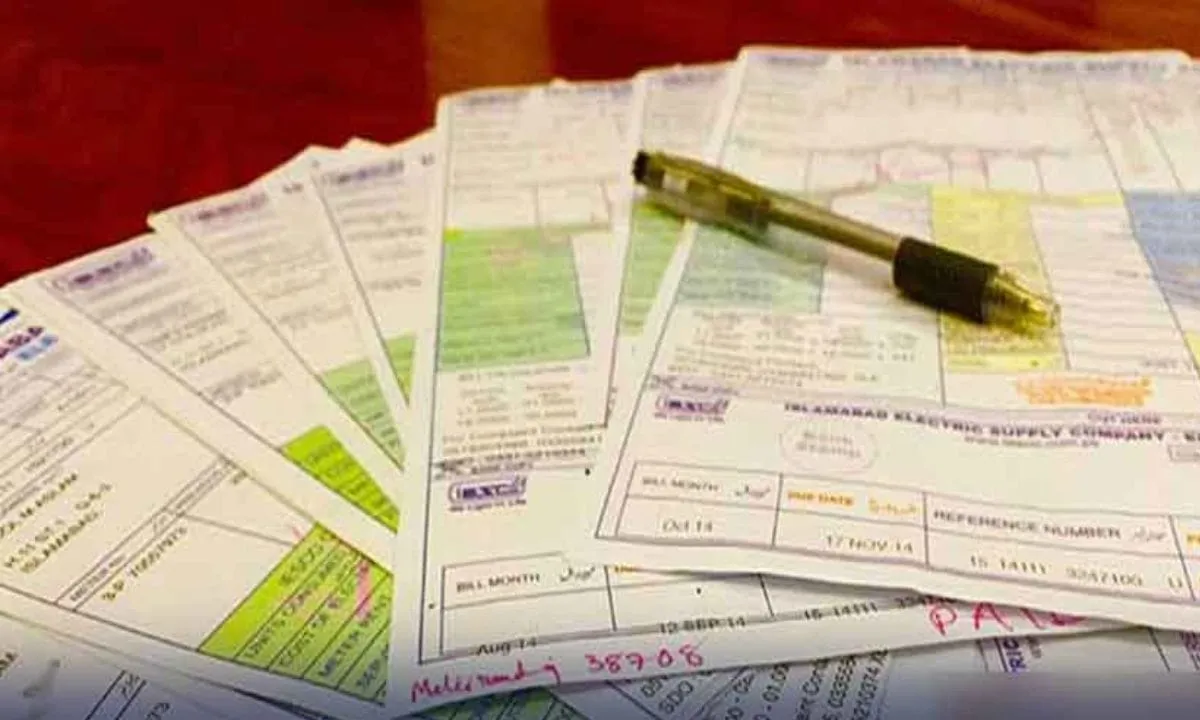
Islamabad Electric Supply Company (IESCO) has launched a QR code-based payment service that lets consumers settle electricity bills and any type of demand notice by scanning the code printed on the document.
Chief Executive Officer IESCO Engr. Khalid Mahmood said the new facility will speed up payments, improve accuracy and increase transparency in the collection process.
How the QR Code Payment System Works
To use the service, a customer opens an online banking app or a mobile-wallet application, points the camera at the QR code printed on the original bill or demand notice, and confirms the amount displayed. Once the amount is verified, the transaction is completed with a single tap.
The system operates round the clock, offering 24-hour, seven-day access to payment processing. No physical visit to a bank or IESCO office is required, and the QR code links directly to the consumer's account, reducing the chance of manual entry errors.
Why IESCO Chose QR Codes
QR codes have become a standard tool for quick, secure payments across South Asia. They encode the bill reference, consumer number and payable amount, allowing the receiving bank to match the payment to the correct account automatically. This eliminates the need for customers to write down long account numbers or reference codes, a step that often leads to mistakes.
Engr. Khalid Mahmood explained that the technology also supports IESCO's goal of digitising its revenue-collection process. By moving payments to a digital channel, the utility can monitor collections in real time, identify unpaid accounts faster and allocate resources more efficiently.
Background: IESCO's Move Toward Digital Payments
IESCO, which supplies electricity to the federal capital and surrounding areas, has been gradually expanding its digital services. In previous years the company introduced online bill payment through its website and partnered with major banks to accept payments via ATMs and POS terminals. However, many customers still preferred to pay in cash at authorized agents, a practice that added handling costs and created opportunities for fraud.
The QR code rollout follows a broader national push for cash-less transactions. Pakistan's State Bank has set a target of increasing digital payments to 30 % of total retail transactions by 2026. Utilities, telecom operators and transport services have all adopted QR-based systems to meet this target.
Impact on Consumers and Businesses
For residential customers, the QR code option reduces the time spent on bill settlement from several minutes to under a minute. It also removes the need to carry cash or visit a bank during limited business hours. Small businesses that receive demand notices for commercial electricity can now pay instantly, improving cash flow and avoiding service interruptions.
Authorized payment agents and banks may see a shift in transaction volume as more users adopt the QR method. While the change could reduce foot traffic at physical payment points, it also frees staff to focus on higher-value services such as customer support and dispute resolution.
Security Measures and Consumer Advice
Engr. Mahmood cautioned customers to scan only the QR codes printed on original IESCO bills and demand notices. Counterfeit or altered documents could contain malicious codes that redirect payments to unauthorized accounts.
He also urged users to verify the payable amount displayed after scanning. The QR code encodes the exact amount due, but a mistake in the banking app's confirmation screen could lead to an under- or over-payment.
IESCO recommends that consumers keep a screenshot or receipt of the transaction until the payment is reflected on their next bill. The company's customer-service hotline will handle any discrepancies reported within 48 hours of payment.
What to Expect Next
IESCO plans to extend the QR code system to include prepaid electricity vouchers and future smart-meter readings. The utility is also exploring integration with the national mobile-money platform to allow payments without a traditional banking app.
Customers can expect periodic reminders via SMS or email when a new bill is generated, each containing a fresh QR code. The QR codes are valid for 30 days from the date of issue, after which a new code will be printed on the next bill.
Regulatory bodies will continue to monitor the rollout to ensure compliance with the State Bank's guidelines on electronic payments and consumer protection.